
How often should you clean your washing machine?
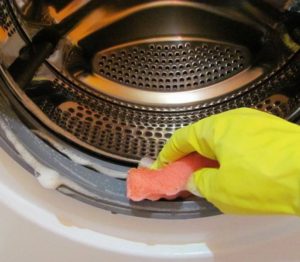 To ensure your washing machine runs smoothly, it needs proper care. The frequency of cleaning will depend directly on the operating conditions. Let's explore how often you should clean the inside of your machine, what experts recommend doing after each wash, and what cleaning products are best for your washing machine.
Machine maintenance requirements
Many homeowners wonder how often to clean their washing machine drum, rinse the detergent drawer, inspect the dust filter, and wipe the door seal. Experts recommend:
- After each use (when all laundry has been washed), wipe the door, drum surface, and rubber seal with a dry cloth, and rinse the detergent drawer. Remove dust from the washing machine body with a damp cloth;
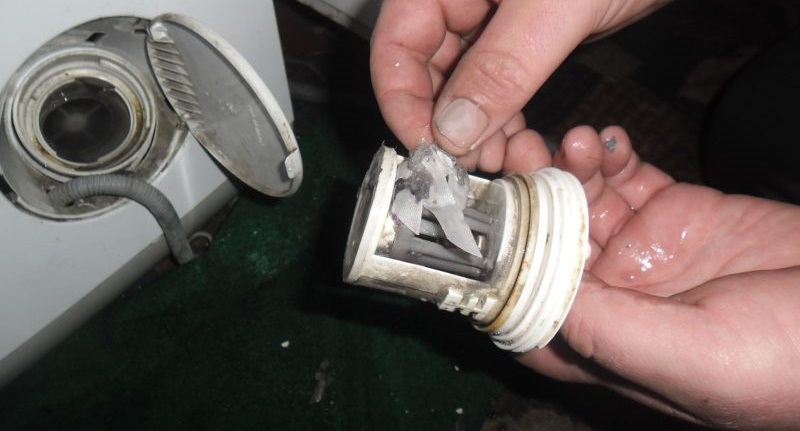
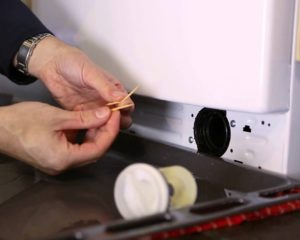
- Remove and wash the debris filter monthly, remove dirt from the walls of the hole;
After washing items with high pile, it is advisable to immediately clean the drain filter.
- Once every 3 months, rinse the inside of the machine to remove scale from the main components of the unit.
If you clean the equipment regularly, your machine will reward you with trouble-free operation. There's nothing complicated about maintaining your "home assistant." The user is required to ventilate the washing machine, rinse out any remaining detergent from the drawer, wipe the drum and cuff dry, and combat scale buildup in a timely manner.
Experts prohibit
It's important to clean your washing machine properly. There are several dos and don'ts that experts constantly warn homeowners about. Here's what you shouldn't do when cleaning your washing machine:
- wash equipment without unplugging the power cord;
- use a spray bottle or shower head when cleaning equipment;
- use cleaning agents not intended for use in machines;
- Do not allow the electrical components of the washing machine, in particular the motor, to get wet;
- Cleaning scale off the heating element with sandpaper. Although some users still resort to this method;
- use aggressive compounds, such as solvents, to treat machine parts.
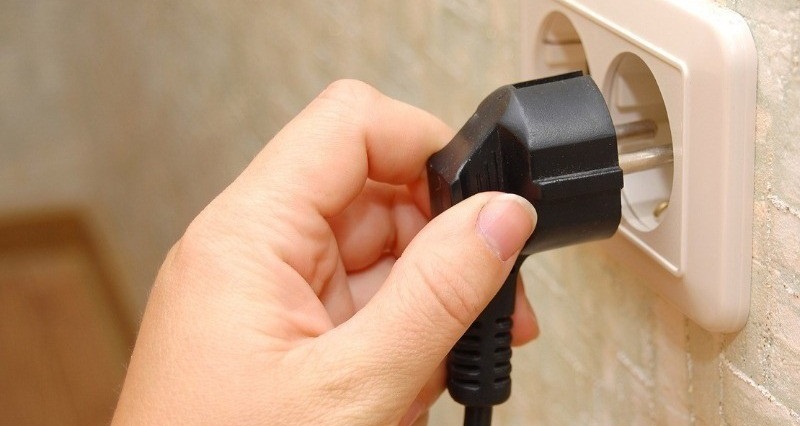
Cleaning a washing machine while it's plugged in carries a high risk of electric shock. Using harsh cleaning agents on the machine's components can cause serious damage. To ensure effective and safe washing machine maintenance, it's important to follow professional recommendations.
The car stinks.
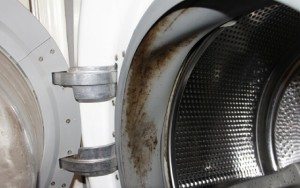
An unpleasant odor is a fairly common problem faced by users who do not take proper care of their washing machines. The main reason for the disgusting smell from the washing machine - bacteria, mold, and microbes that live inside equipment in a favorable, humid environment.
To eliminate the unpleasant smell, you need to figure out where the dirt accumulates and clean that area.
Let's figure out what could be the cause of the foul odor coming from the washing machine.
- The dispenser is one of the first elements to check. Detergents used during washing are not completely rinsed out of the drawer, and powder granules and gel residue stick to the walls of the dispenser. Over time, they accumulate, becoming a veritable breeding ground for bacteria and germs, leading to mold growth. Therefore, it's important to clean the detergent drawer regularly to prevent the growth of harmful microorganisms.
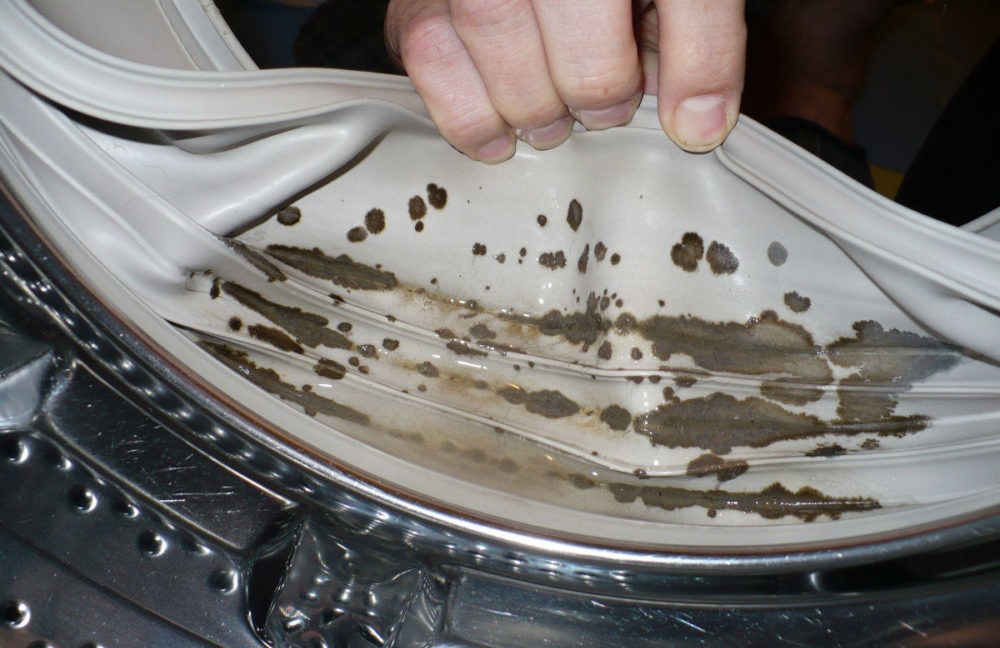
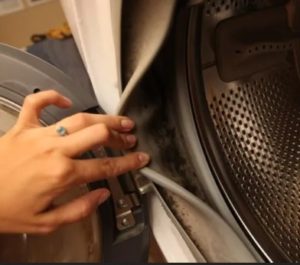
- The rubber seal is another haven for bacteria. After washing, water often remains in the seal, trapping lint and small debris. If this "pocket" of the washing machine is left uncleaned for a long time, the accumulated liquid will lead to the growth of mold and mildew. It's important to wipe the seal dry and leave the door open to ventilate the machine.
- The dust filter collects all the debris that enters the machine. It's no surprise that the filter element is often the source of unpleasant odors. Therefore, to avoid the stench, you should clean the dust filter regularly.
- The drain hose can also be the cause of a foul odor coming from the washing machine. Dirt, debris, and slime accumulate in the corrugated tube. Cleaning the hose or replacing it completely will solve the problem.
- The heating element is more vulnerable to scale than other elements. Limescale deposits harbor an army of microbes. Regularly cleaning the heater will prevent the foul odor.
- An improperly installed drain hose can cause an unbearable odor. If the hose is connected incorrectly, for example, at an insufficient height from the floor, wastewater and odors from the sewer system will easily penetrate the washing machine.
If none of the above is the cause, consider whether you're placing dirty clothes directly into the washer's drum instead of in a dedicated laundry basket, and waiting for the load to accumulate. The smell could also be caused by clean, wet clothes left in the drum for too long, which can cause them to "rot."
To remove the unpleasant smell, you can use special products:
- Cillit Bang, in addition to the unpleasant odor, will help deal with scale, mold, and dirt deposits;
- Domestos is a fairly strong product that effectively combats stains. It can clean both the detergent drawer and the drain hose, and remove limescale. The chemical contains aggressive components, so it's important to use it carefully and not exceed the recommended dosage.
- Comet gel will help remove mold and mildew, and quickly and easily deal with dirt.
To avoid unpleasant odors from your washing machine, clean it regularly, be sure to wipe away any remaining water from the sealing ring and drum, and ventilate the machine. If the odor does appear, determine the cause as soon as possible and eliminate it. Special household chemicals or folk remedies can help.
What household chemicals should I use?
There are many specialized cleaning products for automatic machines. They make cleaning even easier. However, while they offer benefits, such as effective removal of plaque and mold, chemicals also have a number of drawbacks. They are quite aggressive, can cause allergies, damage the rubber parts of the washing machine, and pose a health risk. When cleaning equipment, it is advisable to avoid household chemicals in favor of improvised, and no less effective, means.
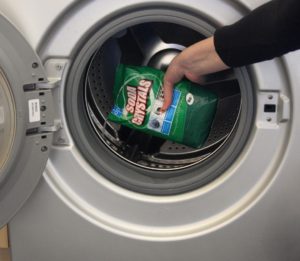
- Citric acid will help remove limescale and dirt deposits. How to use it: pour citric acid into the washer, run a wash cycle with the drum empty, and set the water temperature to at least 60°C.
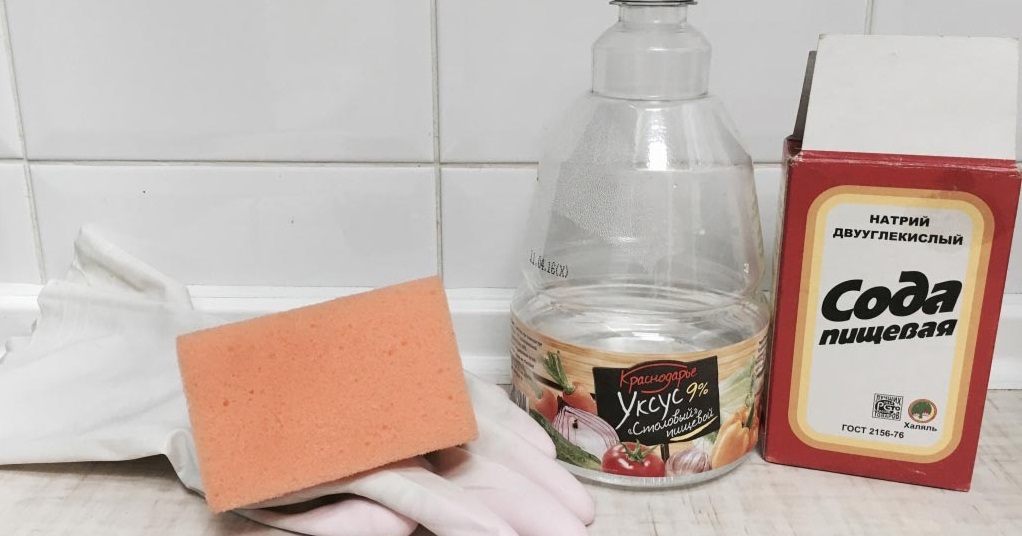
- Vinegar works similarly to lemon powder. Use with caution, as its aggressive nature can damage rubber and plastic parts in the machine. Pour 50 ml of vinegar into the detergent dispenser and run an empty, high-temperature wash.
- Baking soda and vinegar. Mix half a cup of baking soda and water, pour the resulting paste into the detergent dispenser. Pour 200 ml of 9% acid into the drum and run the wash cycle. The substances will react, eliminating any chance of mold or dirt surviving.
An unusual way to clean your washing machine is with Coca-Cola. Many housewives are surprised by how effectively the drink fights stains. Pour about 5 liters of the fizzy drink into the drum and start washing.
Interesting:

Readers' comments
Headings
Washing machine repair




For buyers




For users


Dishwasher




Add a comment