
How to use a washing machine correctly?
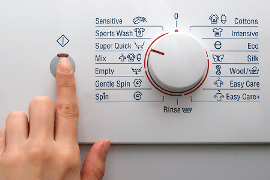 Almost every city home and many country homes have a washing machine. And to use it properly, it's important to know at least the basic rules. Our website is dedicated to washing machines. We'll be happy to tell you how to use your appliance.
Connecting and installing a washing machine
The correct installation of the washing machine determines how it will work. To ensure your washing machine is installed properly, you can hire a professional or read the article "Installing a Washing Machine Yourself." We'll only briefly cover the process here.
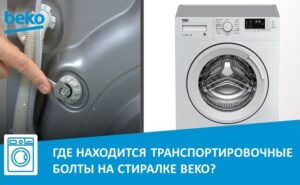
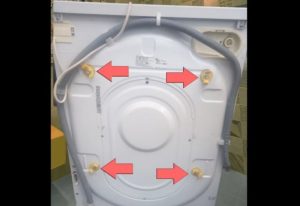
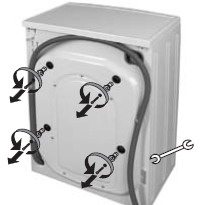
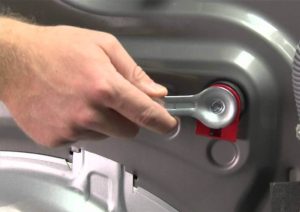
First, you need to remove the shipping bolts. They're located on the back of the machine and are necessary for safe transportation. Unscrew them and replace them with the caps. The caps are included with the machine.
It's important to choose a suitable location for the washing machine in advance. It should be close to water and sewer pipes. This location will be very convenient for future connections. It's highly recommended to have a separate, waterproof outlet for this appliance.
Most apartments have only two wires in their wiring. If it's possible to install a grounded line for your washing machine, it's a good idea to do so. Grounding will protect you from electric shock when touching the metal casing. Most models are designed to work with a three-wire, grounded outlet.
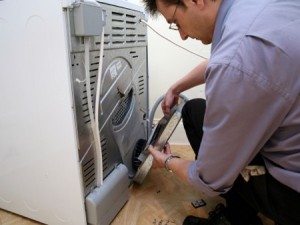 Next, we'll need to connect the washing machine to the cold water supply and the sewer line. If you already had a washing machine, you'll just need to screw the inlet hose back into place and install the drain where it used to be. If your pipes aren't prepared for a washing machine, you'll need to cut a tap to shut off the water and ensure there's somewhere to attach the drain hose. This is usually connected to the sewer line. Sometimes, the drain is routed through the bathtub.
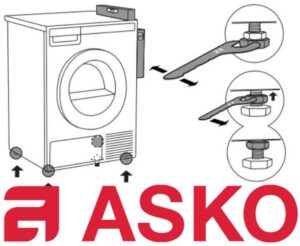
Next, you need to make sure your machine is level. Use a level for this. If it shows the machine is crooked, you'll need to adjust the feet to straighten it. To do this, simply twist them in one direction or the other.
Installing a washing machine may seem complicated to some. For others, it's the opposite. We recommend hiring a professional for this task; they'll do it quickly and efficiently. For those who don't, we've prepared a video tutorial:
Washing machine operating instructions
Some people think they understand how to use a washing machine correctly and don't even read the instructions. We recommend carefully reading the instructions for household appliances before using them. Manufacturers provide important operating instructions, and failure to follow these instructions can lead to malfunction or even breakdown of the machine.
 You need to read the instructions before you start washing. Remember all the important points related to using your washing machine. Read the information about the various modes and features of your appliance. It might be easier to read the instructions next to your machine. There, you can learn the layout of the buttons, the different program selections, and other small but important operating details right there on the spot.
Learn how to select programs. Find out how long they take to wash. Remember how to start the machine and how to stop it if needed. Different models may have their own operating intricacies. Just because you've mastered one machine doesn't mean you'll be able to operate another with the same ease.
Preparing laundry for washing
Before you start washing, be sure to remove all items from your pockets. People often forget to do this, and end up washing their money, documents, and even cell phones. Don't be inattentive. After all, washing items you forgot to remove from your pockets can be harmful not only to the items themselves.
It's not uncommon for pins to puncture the door seal, which can cause a small leak. Small coins can also get caught in the filter or even the drain pump. It's also possible for a foreign object to get caught between the tub and the drum of the machine. This can lead to malfunctions and breakdowns. Be careful and check your pockets thoroughly before washing!
It's also important to separate white and colored laundry. This is to prevent your white and light-colored items from becoming discolored when colored items fade. It's recommended to wash bras in special containers, as underwires often fall out, which can also damage the washing machine.
Let's start washing!
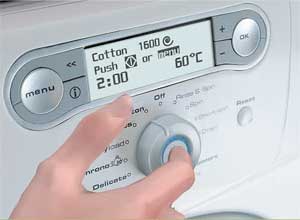 Make sure the machine is plugged in. Check the shutoff valve; it should be positioned so that water can flow into the washing machine. Then, pour detergent into the detergent dispenser compartment. You can also add fabric softener or other detergents. Close the dispenser. Select a program and start the wash cycle.
Washing may take some time. The washing time will depend on the program you use, the temperature you set, and how well the water flows. For example, if the water pressure is very weak, it may take longer, since it will take longer for the water to reach the required level.
The lock symbol usually remains illuminated immediately after the wash cycle ends. This means the machine is still locked. This doesn't last long, up to three minutes. Then the light will flash. This means you can remove and hang up your laundry. If you're not satisfied with the wash cycle, you can run it again. Also, when washing large items, such as down jackets, the detergent sometimes leaves white marks. This happens because the item is too large and dense. Therefore, the detergent isn't rinsed out during the rinse cycle. To resolve this, we recommend returning the down jacket to the drum and running another rinse cycle.
Interesting:

Readers' comments
Headings
Washing machine repair




For buyers




For users


Dishwasher




Add a comment