
How to wash a blanket correctly
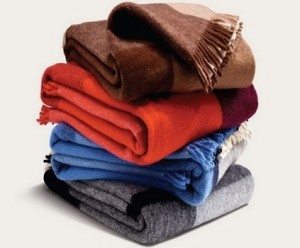 The blanket became known to humanity over 300 years ago. This truly functional item protected northern peoples from harsh climatic conditions. Despite the advancement of the textile industry, the blanket remains at the peak of popularity to this day. It is a symbol of comfort and warmth. Many housewives wonder what fabric is best and how to wash a blanket.
Natural materials
The products are made with a base of natural or synthetic fibers. The warmest blankets are made of wool, and a special type of wool is used for their production. Wool blankets are recommended for people suffering from arthritis, rheumatism, and radiculitis. Wool products are durable and retain their original appearance for a long time.
Cotton blankets are a popular choice in warm weather. They're practical and long-lasting. They're ideal as throws, as cotton fabrics are lightweight. Another advantage of this type of blanket is that it's virtually wrinkle-free.
Cashmere is a material obtained from the down of the mountain goat. A distinctive feature of a cashmere blanket is its lightness, practically weightless. Thanks to a special technology, the blankets are thin, and without the addition of artificial fibers, they are suitable for people with allergies. However, without the addition of artificial fibers, cashmere fabric is short-lived. Moreover, it requires special cleaning procedures. For these reasons, manufacturers blend cashmere fibers with other fibers.
Artificial materials
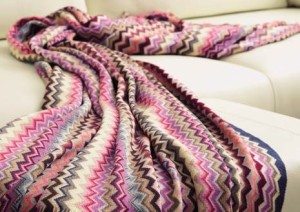 Budget-friendly options for synthetic blankets include acrylic ones. Their advantages:
- Easy to care for. The product does not require delicate washing;
- Dries quickly;
- Does not lose its original shape.
Despite their excellent physical properties, acrylic blankets are only suitable as bedspreads. Covering yourself with them is highly discouraged, as they prevent air from reaching the skin.
Chenille is a material made from synthetic fibers. It's much thinner and softer to the touch than acrylic. Its distinctive features include a beautiful appearance and vibrant colors. However, this blanket requires more careful handling.
Fur throws. Although natural fur is preferred, such items are rare and require careful handling. As an alternative, manufacturers offer faux fur throws. These are created by knitting a blend of natural and synthetic fibers into a knitted fabric. Advantages include ease of cleaning and affordability.
Fleece is made from carefully processed polyester fibers. It feels and feels more like wool.
- It has a low weight;
- It is distinguished by its durability;
- Easy to wash and dries quickly;
- Due to the fact that the fabric does not accumulate moisture, fleece blankets can be used as a bedspread.
Cleaning and care of artificial fabrics
Can you wash a blanket in a washing machine? Yes, you can, if it's a blanket made of synthetic fibers. Even though it's a synthetic fabric, you can wash the blanket in the washing machine, but only on the delicate or, in some washing machine models, soft cycle.
As a cleaning agent, preference is given to liquid concentrates.
Since they don't produce much foam and are easily washed out during the rinsing process, it's advisable to use fabric softener. It reduces static electricity in synthetic fabrics. To avoid distortion of the fabric, set the spin speed to the minimum. Using the "dry" function is not recommended, as it can cause even the most flexible and durable garment to lose its shape.
Particular attention is paid to drying the blanket. The product is dried in a well-ventilated dark place, avoiding exposure to direct sunlight and radiation from heating devices. The problem is that artificial fibers can melt or stick together and give the blanket a worn-out look.
Any faux fabric can be dried by hanging it over a clothesline, changing its position periodically to avoid visible creases and folds. If the item is made of imitation fur, dry it horizontally with adequate airflow on all sides. The washing machine temperature should not exceed 40 degrees Celsius.
Cleaning and care of natural fabrics
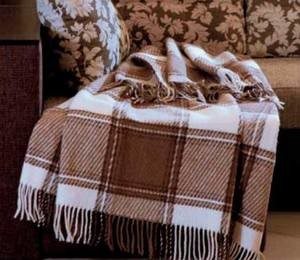 How to wash a blanket made of natural fibers? Linen and cotton blankets are washed in the same way as synthetic fabrics, but the water temperature should not exceed 30 degrees Celsius.
Silk, wool, and cashmere items should be hand washed only in cool water. Shampoo and conditioner should be added to the final rinse. Do not wring the items, even by hand. This will cause them to lose their original appearance. After washing, allow the water to drain and then lay the blanket flat. Turn it regularly to ensure even drying. Otherwise, the blanket will acquire an unpleasant musty odor.
However, for cashmere and wool products, it is preferable to use dry cleaning., using a homemade solution. Ingredients: 1 teaspoon vinegar, 2 teaspoons shampoo, ½ cup warm water. Mix all ingredients well until foam forms.
Shake off any accumulated dust from the blanket. Using a soft clothes brush, brush both sides of the blanket, first dipping the brush in the solution. After the blanket has dried, shake it out thoroughly or vacuum it again. Fur blankets cannot be cleaned at home. For this reason, it's best to dry clean them, as they are very delicate and don't tolerate high humidity.
Interesting:




Readers' comments
Headings
Washing machine repair




For buyers




For users


Dishwasher




Add a comment