Checking the heating element of the washing machine
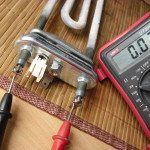
If your washing machine suddenly stops heating water, there are several possible problems. The most common is a faulty heating element. But how can you be sure it's the problem? We'll cover this in more detail below.
How to remove a washing machine heating element?
Let's first remove the heating element. To do this, we'll need to open the washing machine housing.
Most models have a heating element located at the rear. However, some have one at the front. Let's say your machine falls into the "most" category. In that case, we'll need to remove the back panel by unscrewing a few screws (if your machine has a front heating element, we'll remove the front panel).
Next, we find the heating element. It's located at the bottom of the tank. Then, we disconnect it from the wires. If you'd like, you can take a photo of their position so you don't get confused later. And then, we remove it. To access it, we need to unscrew the nut located right in the middle. Then, press or tap on the protruding end of the bolt until it goes in.
After this, you can pry up the heating element with something flat; a flat-blade screwdriver or knife will do. For clarity, we've included a video on replacing the heating element. It will show you how to disassemble the machine, where to find the heating element we need, and how to remove it. Watch:
Checking the heating element
Now we have removed the heating element and can check its functionality.
To check, use a multimeter, also known as a tester. The normal resistance of a heating element is between 20 and 40 ohms. In some washing machine models, it can reach 60 ohms. If the resistance is significantly less than 20 ohms, the element is faulty.
You can also view a specialist's consultation on checking (ringing) a heating element with a multimeter:
Adviсe
We can also use visual inspection to identify faults. Just take a look at the heating element. If you notice black marks resembling spots, it's likely a fault on the housing.
You should be very careful about the functionality of this part. If it malfunctions, it can transmit electrical voltage to the washing machine body, which could result in an accidental electric shock.
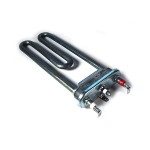
If you examine the heating element closely, you'll understand how it's secured to the tank and how it seals. When we tighten the nut onto the thread, the rubber portion of the fastening mechanism expands. This ensures it stays firmly in place and prevents water from leaking into the machine.
For this reason, before removing the heating element, we unscrew the nut and press the protruding threaded pin until it retracts. Only then can we remove the heating element, using a flat-head screwdriver to pry it out. This entire process must be done very carefully, as the tub of some washing machine models is very easily damaged.
When we return the heating element to its place, we need to make sure that it fits into the required fastening, which is located at the bottom of the tank. If it's positioned above this mount, it will interfere with the drum. In some cases, this problem only becomes apparent during the spin cycle.

 If your washing machine suddenly stops heating water, there are several possible problems. The most common is a faulty heating element. But how can you be sure it's the problem? We'll cover this in more detail below.
 For this reason, before removing the heating element, we unscrew the nut and press the protruding threaded pin until it retracts. Only then can we remove the heating element, using a flat-head screwdriver to pry it out. This entire process must be done very carefully, as the tub of some washing machine models is very easily damaged.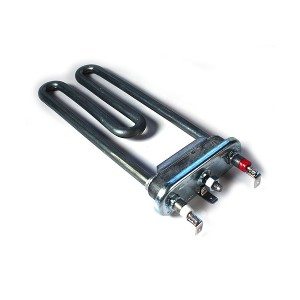
















very useful and clear
Useful info! Brief and clear! Thank you!
Cool, but the engine is a bit tricky.