
How a Gorenje washing machine works
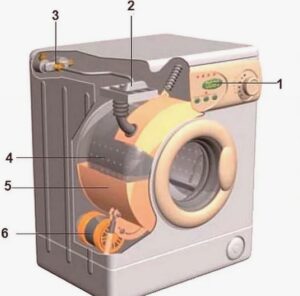 Even experienced users can find it difficult to understand modern washing machines, as they become increasingly complex and feature-rich every year. But that doesn't mean it's pointless to try to understand how a Gorenje washing machine works. This useful knowledge will allow you not only to diagnose problems with your "home helper" but also to repair simple problems yourself, saving you money on the cost of calling a service technician. That's why today we'll take a detailed look at the design of Gorenje appliances.
Operation of the Gorenje machine
From the outside, the operating principle of a modern washing machine may seem complicated, but once you study it a little, questions will disappear. The washing process begins with loading dirty laundry into the washing machine drum, and even at this stage, many mistakes can be made, for example, if you don’t take into account the minimum and maximum capacity of the drum. Next, add household chemicals, usually laundry detergent or gel, and fabric softener, to the detergent dispenser. Finally, all that's left to do is select the appropriate cycle, set additional options, and start the wash by pressing the "Start" button. What happens next in an automatic washing machine?
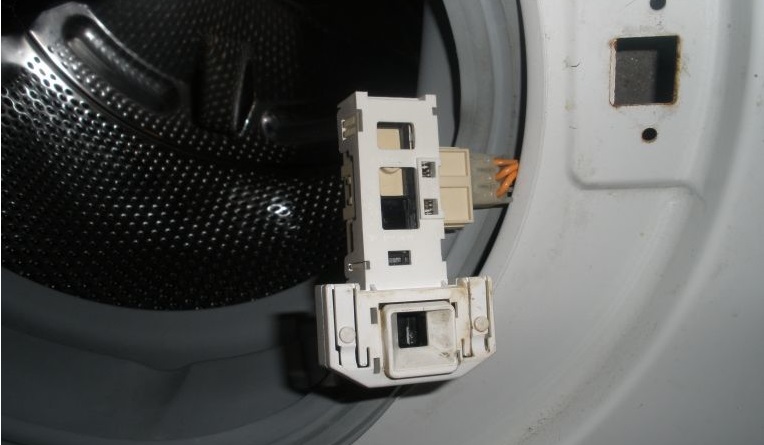
- After starting the operating cycle, the device's control board supplies power to the door locking system, ensuring that the machine door is locked not only by the mechanical lock but also by the electronic door locking system. The door locking system prevents the user from accidentally opening the door during operation.
- The appliance will then activate the drain pump, which will remove all remaining waste liquid from the tank, preventing dirty water from the previous wash from getting on your clothes.
The pump will operate just in case, even if there is no dirty water left in the system from the previous working cycle.
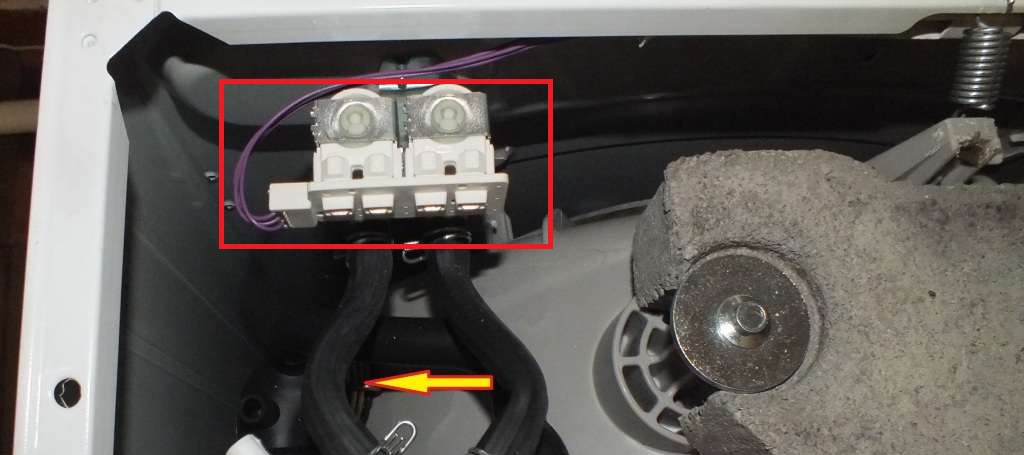
- The control module then activates the fill valve to open, allowing clean water to begin flowing into the system.
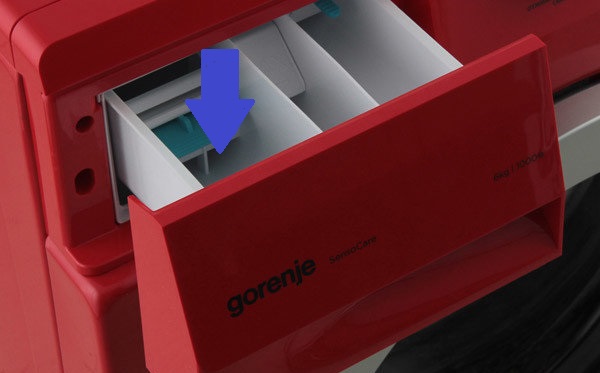
- Next, water will enter the drum through the powder compartment to take the detergent needed for effective washing.
- At the same time, the drum will begin to rotate slowly so that the laundry can be evenly wet.
- Water will stop flowing into the system only when a special level sensor indicates that there is enough liquid for the selected working cycle.
- At this point, the pressure switch will signal the control module that the fluid has been filled, so the filler valve can be closed again.
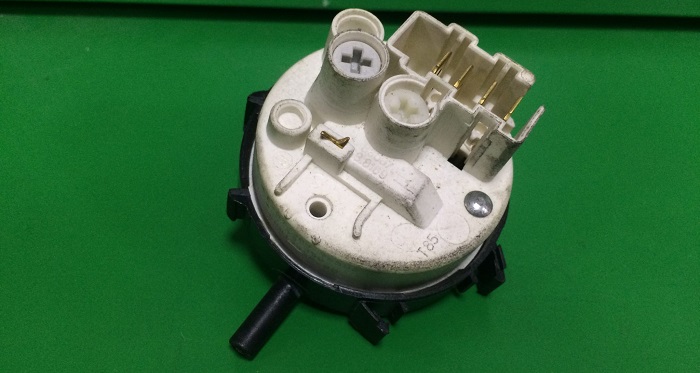
- Afterwards, the control module will not only close the fill valve, but also start the electric motor to operate at full speed, so that the drum begins to rotate at full speed.
Each Gorenje washing machine cycle is designed for specific tasks, so the drum rotation will always be different – changing the direction of rotation and the speed.
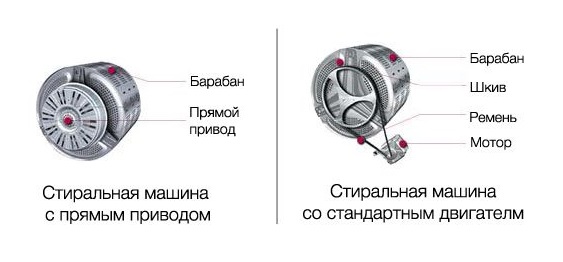
- The operating principle of a modern washing machine drum is based on direct drive technology. The inverter electric motor in an automatic washing machine is connected to the drum directly, rather than via a drive belt. This is why, upon receiving a signal from the control board, the motor immediately begins working with the drum pulley.
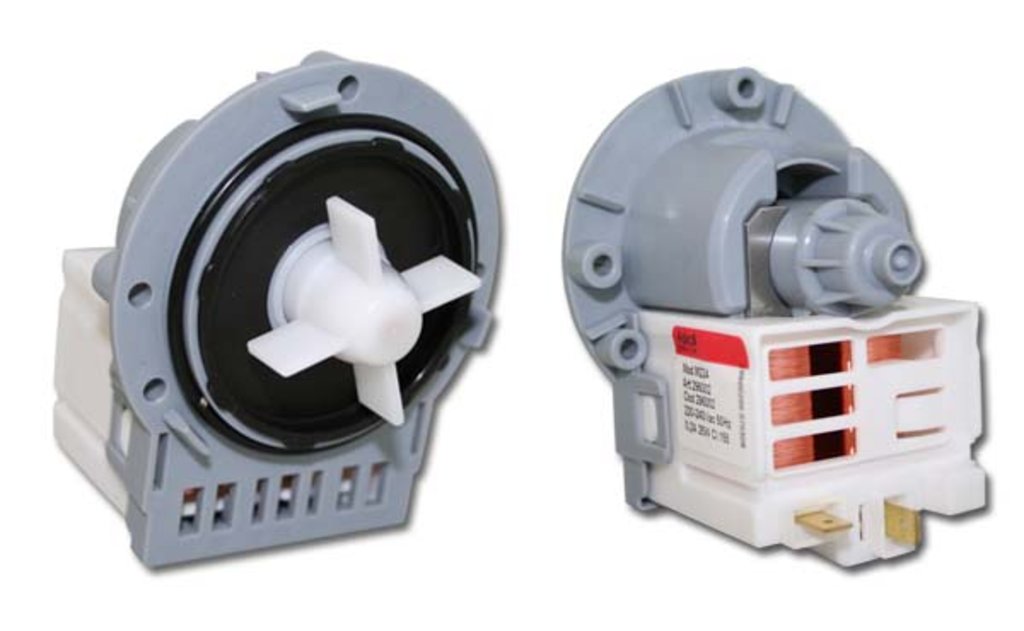
- Once the main wash phase is completed, the unit will send all the waste water to the drain using the drain pump, which will receive the appropriate signal from the control module.
- The fill valve will then receive another command to draw clean water from the water supply, which is necessary in order to quickly flush the tank and then drain the dirty liquid back into the sewer.
- The next step is to add more water, this time in larger quantities, to effectively rinse the clothes that still have detergent on them after washing.
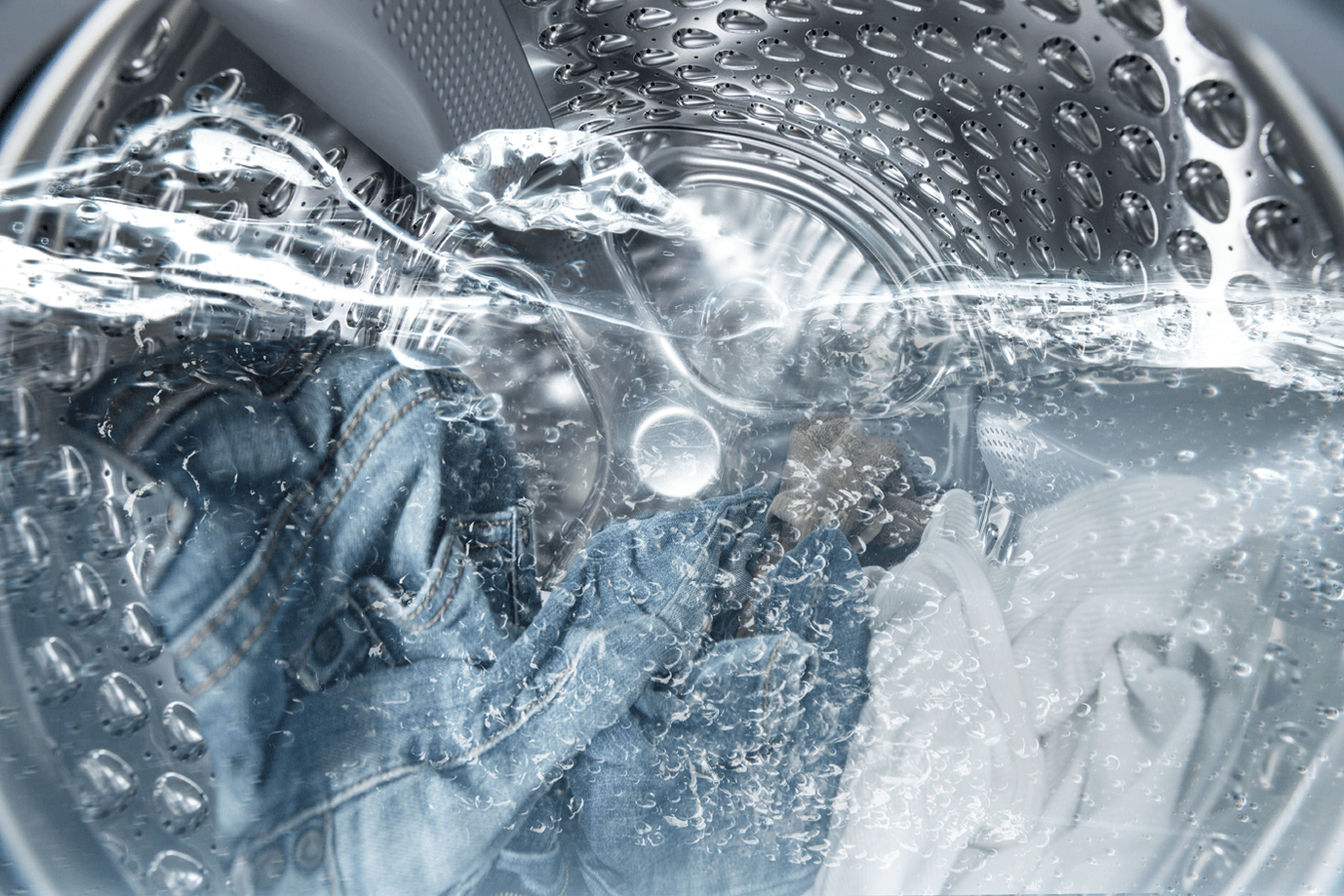
- The machine will remove household chemicals from the fabric fibers and then return the dirty liquid to the drain.
- When the water runs out, the control module starts the spin cycle, the speed of which depends not only on the cycle settings or the user, but also on the appliance's specifications. For example, the spin speed can start at 800 rpm and immediately reach 2000 rpm.
A high spin speed not only removes moisture quickly, but also carries a high risk of damaging the garment, especially if it's made of delicate fabrics. Therefore, experts recommend spinning fragile items at the lowest speed.
- Clothes are spun using centrifugal force, which literally pushes liquid out of the laundry. Due to the high speed of the drum during the spin cycle, the washing machine can become very noisy, shake, and even bounce, which is never the case during a wash cycle if the machine is properly installed and in good working order.
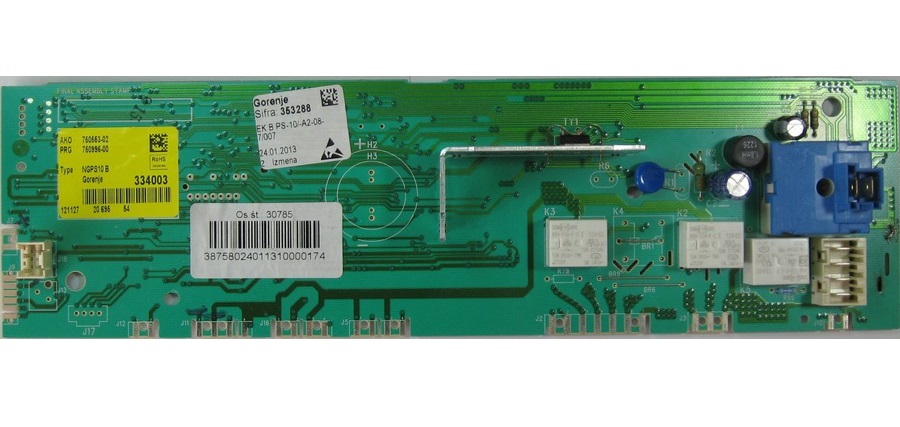
- Once the items have been freed from excess moisture, the control module will activate the pump again to remove the waste liquid.
- Finally, the control board will signal completion of the operation with a characteristic sound signal and turn off the device.
The user only needs to wait for the door to unlock. This typically takes several minutes, during which time the bimetallic plate inside the door locking system cools.
Why is the "stone" screwed onto the SM Gorenje tank?
Users often want to examine the key components of a Gorenje washing machine in person to get a feel for its design. Naturally, this requires opening the top panel of the washing machine, which poses no risk if the warranty has expired. However, if the warranty is still valid, it is better not to disassemble the "home assistant" yourself, otherwise such an action will void the manufacturer's warranty.
After removing the top cover of the washing machine, the first thing you'll see is the inlet valve, detergent drawer, pressure switch, control module, and a large concrete counterweight, which significantly increases the appliance's weight. This "stone" is often the most confusing for beginners, as at first glance it appears to do nothing. In fact, the concrete counterweight dampens excessive vibration during the wash and spin cycles, preventing the appliance from wobbling or bouncing excessively.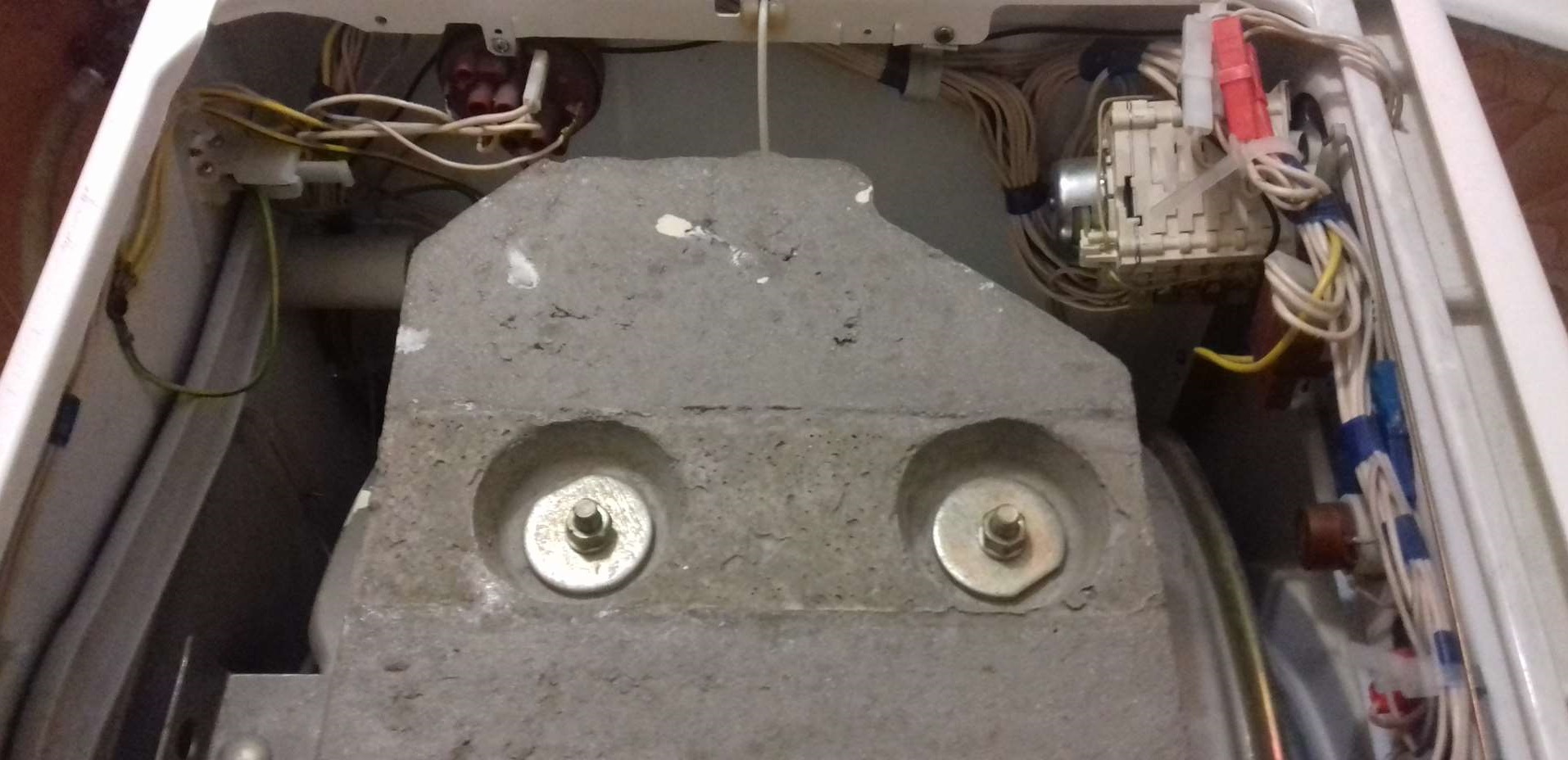
Thus, if there were no such element in washing machines, then due to centrifugal force they would simply fall on their sides during operation, or move around the room in high jumps.
That's why a large counterweight is more of a plus for a device than a minus. Unfortunately, this advantage has often been abandoned recently, for example, in the production of narrow washing machines, which simply cannot accommodate a large counterweight. concrete counterweight, so they install a small one that's incapable of effectively dampening vibration. In this case, you have to decide what's more important to you: the washing machine's stability or its compact size.
Interesting:





Readers' comments
Headings
Washing machine repair




For buyers




For users


Dishwasher




Add a comment