How and with what to lubricate a bearing in a washing machine
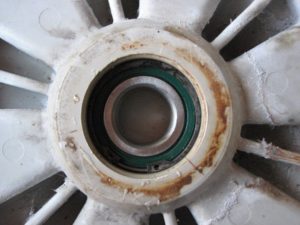
Noise coming from your washing machine after some time of use may be due to worn bearings. While there may not be any damage yet, don't delay lubricating such a vital component. Proper lubrication of bearings, and especially seals, will extend their lifespan. However, it's important to know what to lubricate them with and how to do it.
Choosing a lubricant
There are several types of lubricants used for bearings and seals. Each has different properties, so choosing one requires careful consideration. The lubricant must meet the following requirements:
must be moisture-resistant. A seal is a sealing ring placed on a bearing and rotating on a shaft, preventing water from penetrating inside the bearing. Therefore, the grease on the seal should not be washed out by water during operation.;
Be heat-resistant. When the water heats up to high temperatures and the shaft heats up during rapid drum rotation, the seal and bearing also heat up. The lubricant must not lose its properties, otherwise water will get inside the bearing;
It must be suitable for the rubber and non-aggressive. Low-quality lubricant can cause the seals to harden or, conversely, become extremely soft, resulting in a loss of sealing integrity;
It should be thick. Thick grease will not leak out during machine operation.
Important! It's best not to use automotive lubricants such as Litol-24, Azmol, and others. They are extremely ineffective and will require replacement of the bearings in your washing machine very soon.
In service centers, the following are most often used to lubricate seals:
AMPLIFON is a waterproof lubricant produced in Italy by MERLONI.
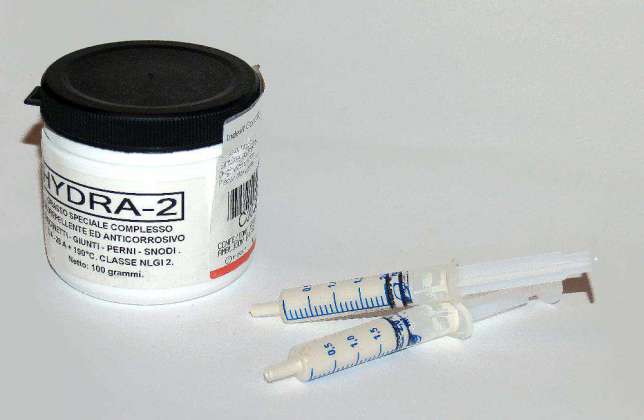
Anderoll is a special lubricant recommended by Indesit manufacturers, sold in 100-gram jars or double-portion syringes.
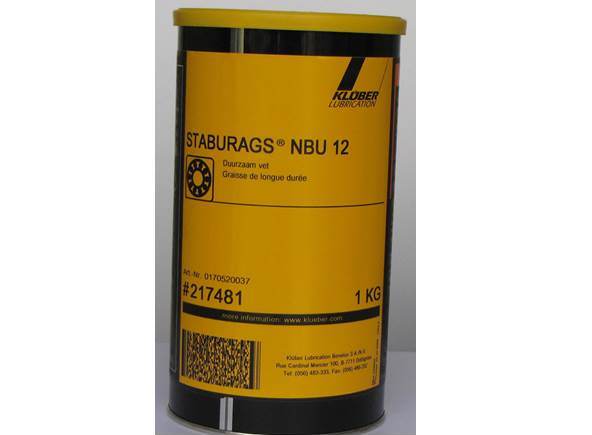
STABURAGS NBU 12 is another grease that is also water and heat resistant.
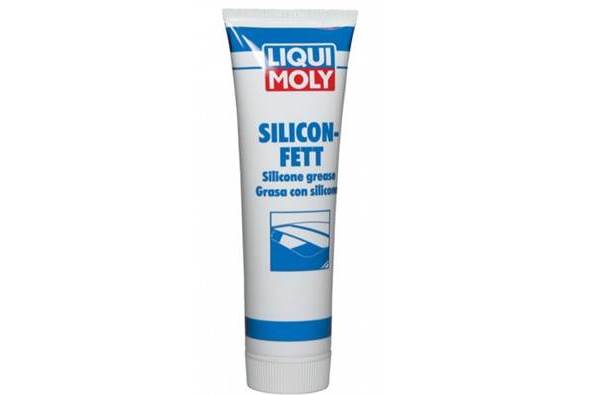
LIQUI MOLY "Silicon-Fett" is a German-made silicone grease, sold in 50-gram tubes. It is quite expensive, but effective for lubricating seals.
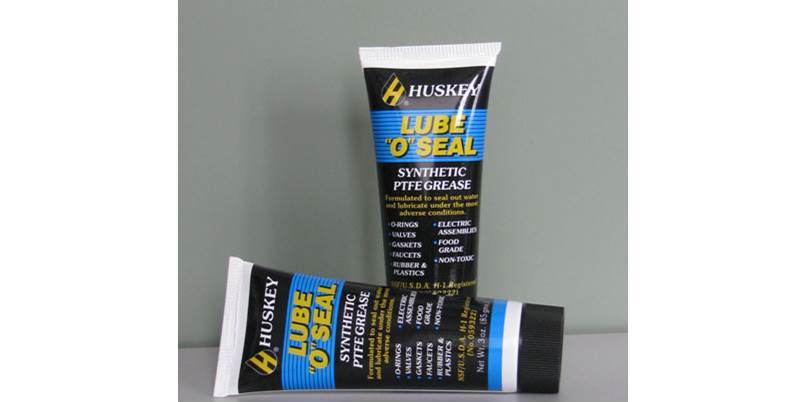
Huskey Lube-O-Seal PTFE Grease is a water-resistant lubricant Suitable for both bearings and seals.
Bearings or oil seal?
Few people ask how to lubricate a washing machine bearing, believing it's unnecessary. Most people buy a new set of bearings and seals, and only lubricate the seal and bushing during installation. Bearings are usually already pre-lubricated.
If the bearings were purchased from a store that orders original spare parts from the manufacturer, then you can safely install such bearings in the washing machine. In bearings of questionable quality, it is better to renew the lubricant; in most cases, they are filled with cheap, low-efficiency lubricant.
Therefore, the answer to the question of what needs to be lubricated—bearings or seals—is "both." The key is to use the same lubricant; mixing different lubricants is unacceptable. In this case, it's best to lubricate only the seal and bushing.
We remove the tank
Now let's talk about how to lubricate these crucial parts of your washing machine. We'll warn you right away that this process is quite labor-intensive, as it requires almost complete disassembly of the machine to remove the drum and tub. Before starting, disconnect the machine from the water supply, drain, and power supply, and position it so that it's accessible from all sides. Have screwdrivers and pliers ready, and then follow the instructions:
remove the top cover of the case by unscrewing the two bolts at the back;
we take out the powder receptacle;
disconnect the control panel by disconnecting the wires from the board;
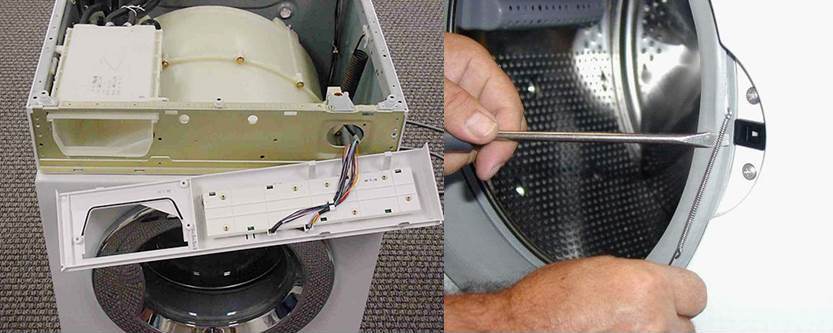
remove the cuff using a slotted screwdriver. To do this, you need to bend the spring and remove the retaining clamp, and tuck the edges of the cuff into the drum;
we remove the bottom panel of the washing machine, which is held in place by latches;
we unscrew the bolts holding the front panel, they are usually located behind the powder receptacle, under the lower and upper panels;
remove the front wall of the machine body;
Important! Don't forget to disconnect the wires from the control unit to the sunroof locking device.
we disconnect all pipes from the tank, wires from the heating element, pump, engine and sensors;
remove the top panel by unscrewing it from the body, and also unscrewing the pressure switch from the panel and removing the wires;
unscrew the upper and lower counterweights and remove them;
we check whether all pipes and wires are disconnected from the tank;
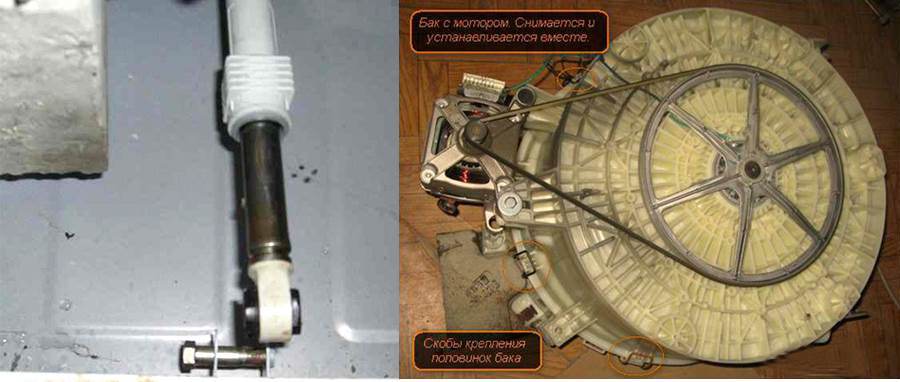
unscrew the shock absorbers and remove the tank from the springs, place it with the pulley facing up;
We remove the belt from the engine and pulley, and then unscrew the engine.
While doing this work, you can record the stages with a camera. The photos will help you assemble the washing machine correctly, without confusing the connections of the wires and pipes.
We're finishing up
After removing the drum from the washing machine, inspect it. It may be either a one-piece or a collapsible unit. Non-collapsible drums are common on Hotpoint-Ariston and other washing machines. To access the bearings in such a drum, you'll have to cut it open along the joint. If you do this very carefully, you can reattach the halves using bolts and sealant.
The halves of the disassemblable tank are connected with bolts and special latches. After the tank is disassembled, the bearing must be removed from its seat. We provide detailed instructions on this in the article. How to properly remove a bearing from a drum.
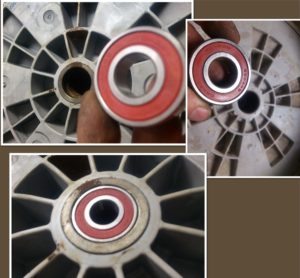
After removing the bearings, inspect them for damage. Washing machines are typically disassembled only when the bearings are already worn out; it's unlikely that anyone would disassemble the machine to check the grease and lubricate the part. Therefore, if a bearing is damaged, you'll need to purchase a new set of bearings and the seal, which should be replaced immediately.
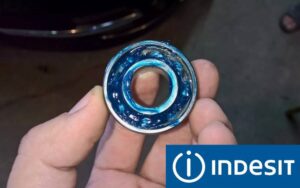
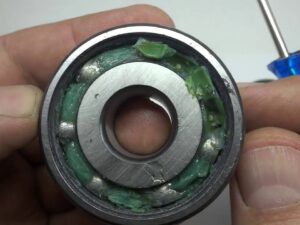
If the bearing is still serviceable, it needs to be lubricated. First, clean it of dirt with WD-40 penetrating lubricant and wipe it with a clean cloth, then lubricate it. In a disassemblable bearing, the protective cover is removed using a scalpel and grease is applied. Lubricating a non-separable bearing is a bit more difficult, but it is possible; the video below shows how to do it.
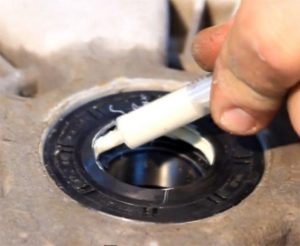
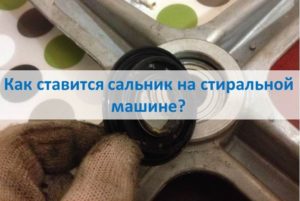
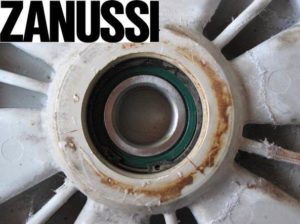
While a new bearing may not require lubrication, the seal is essential. Apply an even layer of grease to the inner ring, which directly contacts the bushing. After installing the bearings, install the seal. Reassemble all washing machine components in reverse order.
As you can see, the process of lubricating bearings and seals is simple, but getting to the components themselves requires a fair amount of work. That's why this type of work is often left to a professional mechanic. But if you have the time and desire to do the work, try the repair yourself. Good luck!
It's actually kind of funny: just to lubricate the bearing, you'd have to cut open the tank. Why didn't the manufacturer make it easy to access the grease?
Because that's how they make more money. After all, no authorized service center will undertake such repairs. You have to either do it yourself, hire a home-based repairman who won't provide a warranty, or buy a new washing machine.
It was because of this bearing that I had to buy a new washing machine. That's why they're making it unrepairable. Even though they offered to cut the bearing apart and replace it, no one gave a warranty. The mechanics themselves admitted that after such repairs, the drum often starts leaking.
Remove the back cover of the washing machine, remove the belt from the motor and pulley, and check again without the motor. If it's still tight, it's the bearings. If not, it's the motor.
For vertical installations, you don't need to remove the tank or disassemble the entire car, just the sidewalls. Unscrew the hubs and replace them with new ones.
I'd like to drill a hole in the area between the two bearings and screw a grease fitting in from the outside. Every three months, open the cover at the back, grease it, and let it run.
Thanks for the article. I'm a newbie, could you tell me how long my Indesit washing machine needs to be lubricated? We don't wash every day, though. And what's better to lubricate: the seal or the motor? Sorry if my question wasn't clear.

 Noise coming from your washing machine after some time of use may be due to worn bearings. While there may not be any damage yet, don't delay lubricating such a vital component. Proper lubrication of bearings, and especially seals, will extend their lifespan. However, it's important to know what to lubricate them with and how to do it.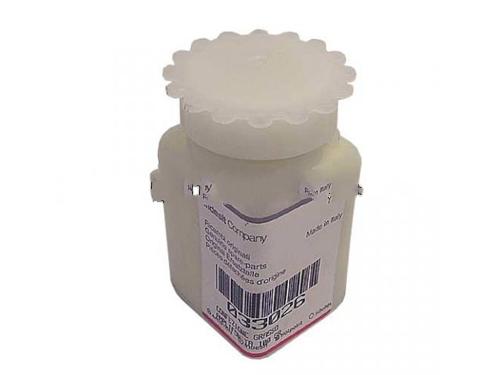














It's actually kind of funny: just to lubricate the bearing, you'd have to cut open the tank. Why didn't the manufacturer make it easy to access the grease?
Because that's how they make more money. After all, no authorized service center will undertake such repairs. You have to either do it yourself, hire a home-based repairman who won't provide a warranty, or buy a new washing machine.
It was because of this bearing that I had to buy a new washing machine. That's why they're making it unrepairable. Even though they offered to cut the bearing apart and replace it, no one gave a warranty. The mechanics themselves admitted that after such repairs, the drum often starts leaking.
With such a process chain, there's no point in lubricating bearings until they fail. The author apparently sells lubricants.
What should I do if the drum is difficult to turn even by hand?
Remove the back cover of the washing machine, remove the belt from the motor and pulley, and check again without the motor. If it's still tight, it's the bearings. If not, it's the motor.
For vertical installations, you don't need to remove the tank or disassemble the entire car, just the sidewalls. Unscrew the hubs and replace them with new ones.
I'd like to drill a hole in the area between the two bearings and screw a grease fitting in from the outside. Every three months, open the cover at the back, grease it, and let it run.
Thanks for the article. I'm a newbie, could you tell me how long my Indesit washing machine needs to be lubricated? We don't wash every day, though. And what's better to lubricate: the seal or the motor? Sorry if my question wasn't clear.