
How to wash white and colored bed linen?
 We're grateful to our washing machines for taking care of keeping our clothes clean. But even though we've handed over the laundry to our appliances, questions about how to properly wash bedding remain. So in this article, we'll answer the most frequently asked questions about this process.
Preparing the linen
Before washing, we need to sort through the bed linens. We need to separate those made of white fabric from those made of colored fabric. And those made of satin from those made of silk. Different types and colors of fabric require different washing cycles.
Next, we need to estimate the weight of our laundry. After all, all washing machines are designed for a specific weight of items. Let's calculate the approximate weight:
- The sheets weigh approximately 400 to 500 grams.
- Cover 600-800 grams.
- Duvet cover from half a kilogram to 700 grams.
- Pillowcase 150-250 grams.
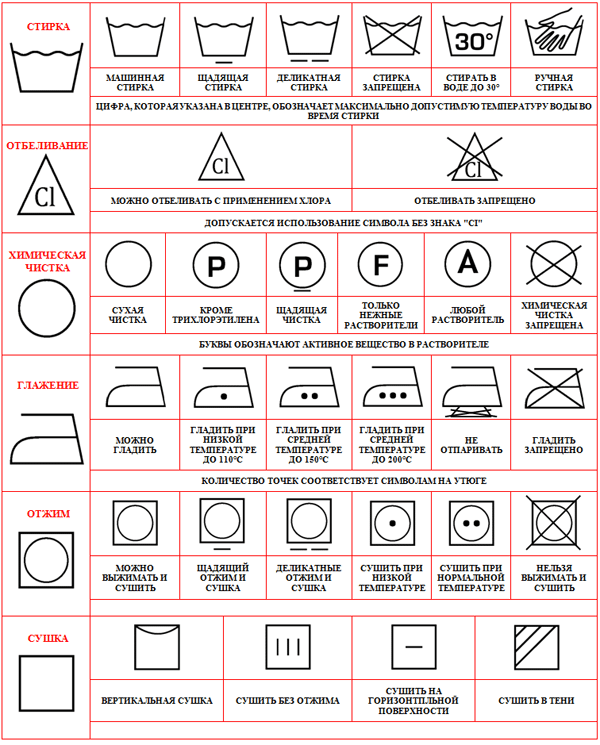
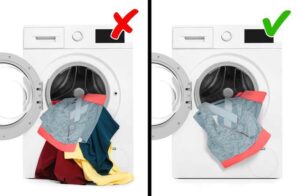
Don't forget about the volume of your items. You need to calculate the amount of laundry you'll place in the washing machine drum so that it can rotate freely within the machine. If the rotation is impeded, the washing results will be poor. You should also pay attention to the manufacturer's recommendations for proper washing, which are indicated on the labels. You can find more information about washing symbols in the table below or read the article: “Signs on laundry items"Next, we turn the laundry inside out and distribute it evenly in the drum.
Washing
 It used to be thought that linens should only be washed at temperatures close to 90 degrees Celsius. This washing method helped disinfect items and kill microorganisms. However, these days, various laundry detergents work just as well at lower temperatures. We recommend washing colored linens at lower temperatures (around 40 degrees Celsius). This will help preserve the vibrancy of the colors. Whites, however, can be washed at a higher temperature.
Should I iron bed linen?
How important is it to iron bed linens? Some people believe ironing makes the fabric softer and improves its appearance. Furthermore, the iron's heat kills germs. There's also a different perspective. Some believe ironing bed linens is simply a waste of time. guide.washerhouse.com doesn't claim that our advice is definitive. However, we do recommend ironing in the following cases:
- When someone living in your home becomes ill, the disease can be transmitted through linens. In this case, ironing is essential. Furthermore, it's important to provide the sick person with separate bedding to avoid accidentally using items that could transmit the infection.
- When the underwear will be used by a child under one year old.
- When the humidity is high and the item can't dry.
We also strongly recommend pre-washing and ironing all new items. This will help ensure they are clean and kill germs.
A white item has turned a different color, what should I do?
 This happens when you wash white or light-colored items with colored ones. Of course, we warned you not to do this. But if you have already done this and received stained laundry, then it must be immediately sent for re-washing. Set the machine to an intensive cycle with a thorough wash and rinse. You can also soak the laundry in oxygenated bleach for an hour. Boiling the laundry with hydrogen peroxide and ammonia can also help. Mix 100 milliliters of hydrogen peroxide and 10 milliliters of ammonia per 5 liters of water.
You can also use the following method: add ammonia to a container of water, using 10 milliliters per five liters of water. Then, toss your laundry in for 30 minutes. Afterward, wash and rinse thoroughly.
For additional washing and care instructions for bed linen and other linens, watch the following video:
Interesting:



Readers' comments
Headings
Washing machine repair




For buyers




For users


Dishwasher




Add a comment