
How to wash medical clothing
 Medical students and healthcare workers often ask how to wash a medical gown, or any medical clothing for that matter. It seems simple: just throw the mask and gown in the washing machine, separate from other clothes, and run the wash cycle. But it's not that simple. Medical gowns are a breeding ground for bacteria, and if they're contaminated with biological waste, you can forget about washing them regularly. So what should you do?
General washing rules
First, let's be clear. Medical clothing contaminated with hazardous or potentially hazardous biological materials is either disposed of or transported to specialized facilities for professional treatment. These facilities specialize in the care of medical linens, laundering medical clothing, and so on. Such clothing cannot be washed at home. In all other cases, you can and should wash such clothing yourself, but you must do so correctly.
Gowns and masks contaminated with patient blood and other biological materials are immediately placed in a separate bag and sent for disposal or professional processing.
- Clothing intended for medical personnel should be washed as often as possible. You shouldn't wear it out too much, otherwise it will be more difficult to wash later.
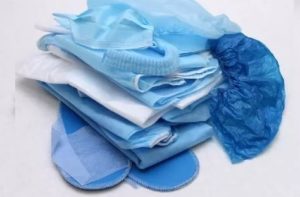
- Wash such clothes separately from other items.
- Use special disinfectants for washing.
- Before washing, soak medical personnel clothing in a solution of cool water and a special detergent. Avoid soaking in hot water, as this will set biological stains.
- Don't sprinkle or pour laundry detergent directly onto clothes, as this can damage them. Dissolve the detergent in water first before washing.
- If your gown or other medical clothing has information tags, read them carefully. They contain washing instructions.
- Pay attention to the water temperature you wash your item in. If there are no temperature restrictions on the label, you can even boil the garment. If there are restrictions, don't experiment.
Will regular powder work?
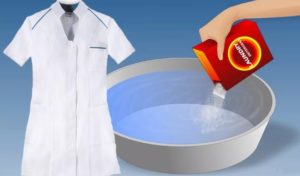 You can wash a white medical gown or other medical clothing with any laundry detergent or gel, depending on the type of stain and your specific needs. However, simply washing such clothing isn't enough; it needs to be disinfected, and not every detergent is up to the task. Many people, for some reason, believe that every laundry detergent has disinfectant properties, but this isn't true. After reading this article, Disinfectants and antibacterial detergents for laundry, you will be able to see this for yourself.
Experienced medical professionals wash medical clothing using chlorine bleach. In our opinion, this is far from a universal method, and it's also damaging to the fabric. It's much safer to soak the clothing in a fir essential oil solution before washing it as usual. It's inexpensive and highly effective, as fir oil kills 98% of bacteria.
Oxygen bleach doesn't always kill bacteria, let alone products containing optical brighteners.
Once again, if you have any doubts about the origin of any stains, don't resort to home remedies. Wash medical-grade clothing with a specialized disinfectant powder or even take it to a dry cleaner. Professionals know what to do with such clothing.
Which washing machine mode should I choose?
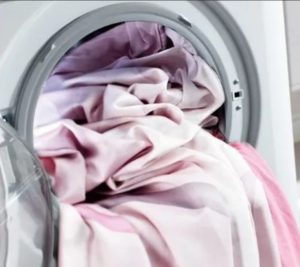
After a disinfectant soak, medical gowns can be washed either by hand or in a washing machine. We're all about saving time, so we recommend using a washing machine, although some medical professionals claim that hand-washing gowns lasts longer and maintains a presentable appearance.
To wash a gown and other medical clothing in a washing machine, you need to sort it and, after examining the labels, determine the washing modes.
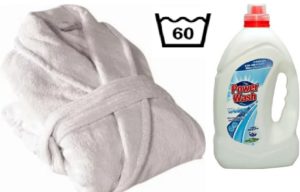
- For white coats made from blended fabrics with a predominance of cotton, the “cotton 60 degrees” mode with pre-soak and double rinse is suitable.
- For colored robes and other colored clothing, any wash cycle that lasts more than 1 hour at a temperature of 40 degrees and includes a double rinse is suitable.
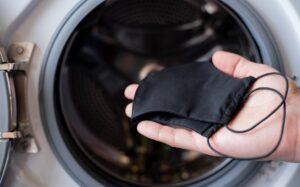
- Disposable masks shouldn't be washed. They should be thrown away after use. However, some people make an exception for gauze masks. They can be washed at 60 degrees Celsius without spinning.
Some modern, stylish medical clothing has adhesive elements attached. These should be washed with extreme care, and, of course, all manufacturer's recommendations should be followed.
Drying and ironing
Drying and ironing linens for medical facilities is handled by professionals, but if you need to do it yourself, keep in mind a few general rules. It is best to dry gowns and other medical clothing on a line outdoors, away from direct sunlight. If there is a warm breeze, the clothes will dry even faster.
Don't let your clothes dry too much. This will cause them to stiffen and become very difficult to iron, even with a steam iron.
 Ironing medical gowns is no different from ironing any other linen. The iron's soleplate temperature shouldn't be too high to avoid damaging the fabric. If the garment has any logos, avoid them when ironing; otherwise, the hot soleplate will damage them. If you're ironing a gown for the first time, touch the seams of the garment with the tip of the iron's soleplate. If the iron doesn't catch anywhere, you're safe to iron.
So, washing linens for healthcare facilities has a lot of specifics, but if you just need to freshen up your scrubs, use the tips in this post. Good luck!
Interesting:



Readers' comments
Headings
Washing machine repair




For buyers




For users


Dishwasher




Add a comment