
How to properly turn on a Whirlpool washing machine?
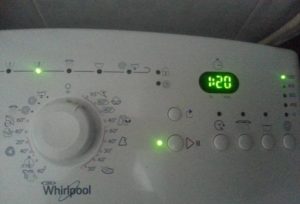 The lifespan and quality of your washing machine depend on how carefully you use it. Turning on a Whirlpool washing machine isn't as simple as pressing the start button. You need to sort your clothes and linens, select the appropriate cycle, pour detergent into the dispenser, add the items, and only then press the start button. Each step has its own subtleties, which, taken together, ensure perfect stain removal.
Add powder
Washing results depend largely on the detergent used. It can be powder, liquid, or gel. It's crucial to properly load or pour the detergent into the machine.
All Whirlpool washing machines have a detergent drawer or dispenser. It's located on the top left and is used to dispense detergent. The dispenser is divided into three main compartments. It's important to remember the purpose of each compartment and avoid confusion during washing:
- the rightmost one is used for pre-soaking (when the laundry being loaded is in a very dirty condition);
- into the middle one (with a removable plastic element) pour conditioner, which softens the fabric and gives it a pleasant aroma;
- The left one is for powder (the volume of the product depends on the volume of the items and is indicated on the packaging).
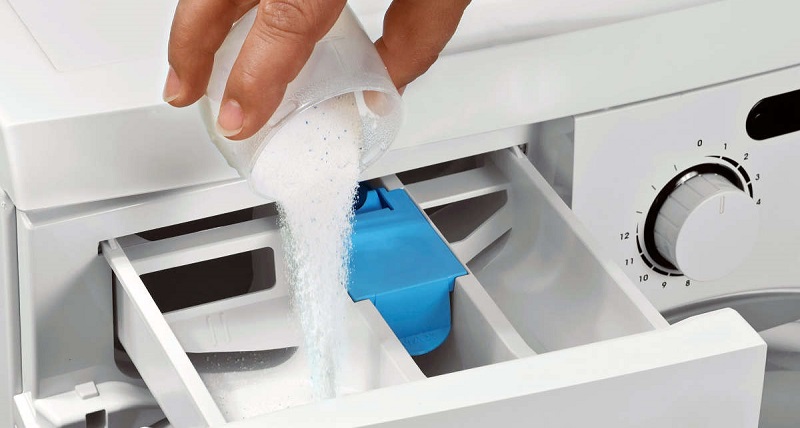
To ensure a timely and sufficient supply of water and detergent, the dispenser needs to be cleaned regularly. If not properly maintained, the container quickly becomes clogged, dirty, and even moldy. As a result, laundry begins to smell unpleasant.
Fixing this problem is easy: remove the detergent drawer, soak it in a solution of citric acid or baking soda, rinse with water, and reinsert it. However, it's best not to let it get to this point. After the cycle is complete, leave the dispenser open to dry and immediately remove any remaining detergent.
Select the mode
The standard set of washing machine modes is largely similar. The difference is that budget machines only offer basic programs, while more expensive ones have additional features like drying, a delayed-start timer, and so on. All information about available programs is available in the technical documentation.
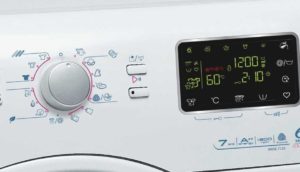
However, instructions are more often used as a guide. Washing machine interfaces are intuitive—the control panel displays names and small icons that help you make your choice. Turning the main dial activates the desired mode, then an LED light comes on, and the display shows the washing parameters. Some machines allow you to adjust the temperature or spin speed. The choice of program depends on the material and color of the laundry.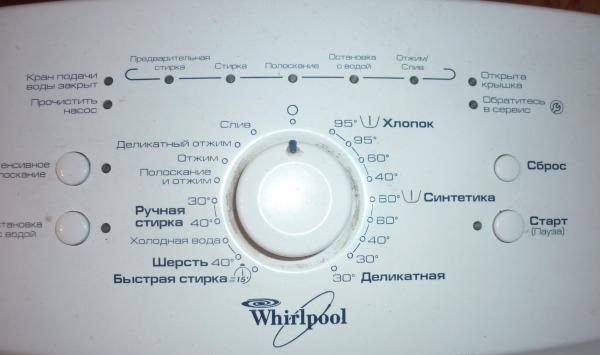
- Dense, natural fabrics like linen and cotton require high temperatures, high-speed spinning, a generous rinse, and intensive washing.
- Synthetic materials. Temperature up to 40 degrees Celsius, spin at 600-700 rpm, short cycle time.
- Delicate fabrics (wool, silk). Delicate wash, temperature no higher than 30 degrees Celsius, spin off, rinse thoroughly.
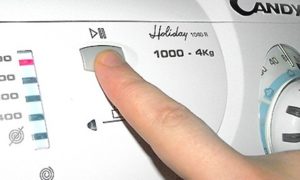
Set the desired parameters. Place the items, and add detergent to the dispenser. Now you can start the wash cycle by pressing the "Start" button. If you make a mistake, there's no need to wait for the machine to finish. Press the "On/Off" button again, turn the dial to the "Off" position, wait for the machine to reset, and then start the cycle again.
Sorting out dirty things
Sorting your laundry affects the quality of your wash. Be sure to properly sort your items by fabric type and color before loading them. Jeans and jackets are always washed separately, and a special bag is provided for underwear.
Pay attention to the washing machine's capacity. Just because you bought a washing machine with a 5 kg load capacity doesn't mean you have to stuff the entire 5 kg into the drum. Each mode has its own weight limits - you can check this in the instructionsThe latest generation of washing machines can automatically weigh the laundry and signal an overload. Otherwise, they rely on a "guesstimate."
Important! Manufacturers recommend leaving the drum about a third empty, or half full for delicate cycles, to ensure a thorough rinse.
When sorting, clothing tags can be helpful—they indicate recommended temperatures and spin cycles. Remember to remove any debris, keys, etc. from pockets. Remove trim, trim, and removable parts, turn everything inside out, then fasten buttons and zippers, tie belts, and tie off any loose buttons. It's best to patch holes and sew on loose buttons, otherwise the washing machine may worsen the stain. Stubborn stains should be washed by hand.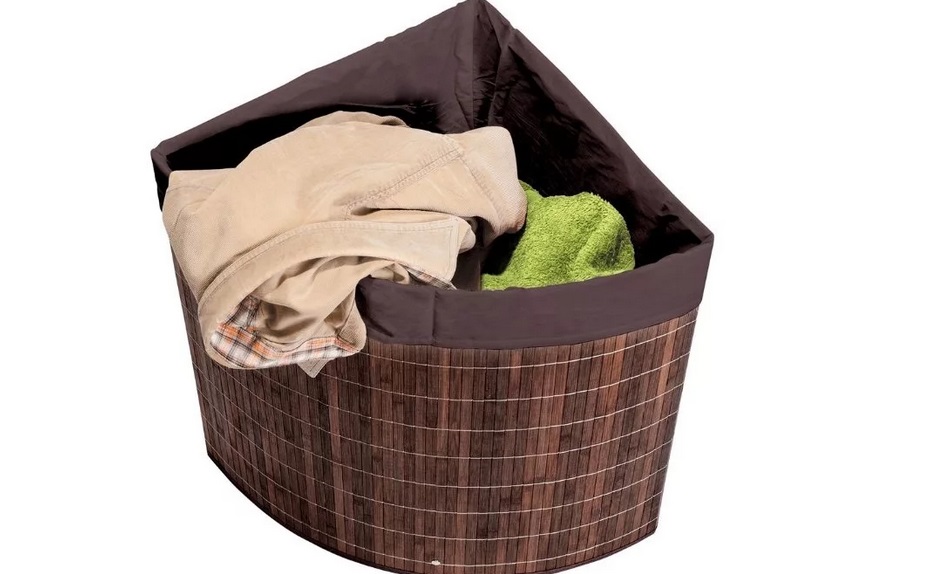
Avoid placing crumpled or twisted items in the washer, as this reduces washing performance and can cause the drum to become unbalanced. Jackets and down jackets should be washed with silicone balls, which help prevent the insulation from clumping. Small items, such as stockings, socks, belts, and items with studs and hooks, should be placed in a special fabric bag. Curtains should also be washed in the same bag, complete with rings. For even distribution of laundry, it's recommended to load items of different sizes together.
The very first and usual wash
If you're just about to start washing your newly purchased Whirlpool, you should prepare the machine first. Remove the shipping bolts and other protective elements, and remove any tape, foam, or stickers. Place the washing machine on a level surface, leveling the feet. Connect the hoses and power cord. Read the instructions, especially the safety precautions.
Important! The first time you run a Whirlpool, do so without laundry, and add a small amount of detergent.
Some models have a special cycle for the first wash (see technical documentation). If none is available, the "Cotton" cycle is selected at the highest temperature and includes a second rinse. Add detergent at a rate of one-third the recommended amount for lightly soiled clothes. The second cycle is started as usual: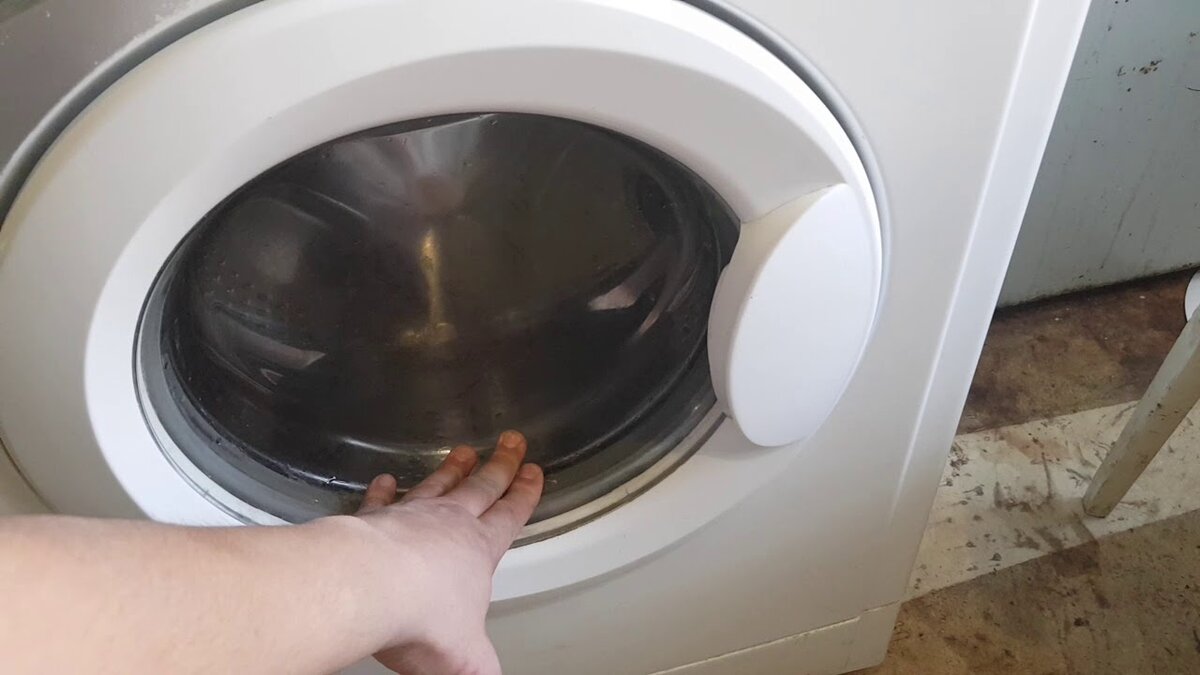
- load clothes;
- put detergent into the dispenser;
- select the mode;
- set the temperature, cycle duration, spin speed;
- if necessary, set up a delayed start;
- press "Start".
Whirlpool will sound a signal when it's finished. After this, you won't be able to open the door for 2-3 minutes because it's locked. Items can only be removed after the specified time.
After use, unplug the appliance and turn off the water supply until next use. Then carefully inspect the interior for foreign objects, which often become lodged in the rubber seal. Open the door and detergent drawer to allow it to dry. Wipe the rubber seal and the machine itself thoroughly to prevent mold.
Interesting:

Readers' comments
Headings
Washing machine repair




For buyers




For users


Dishwasher




Add a comment