
Washing a cap in the dishwasher
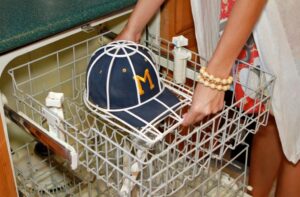 A true homemaker will always come up with a million additional uses for household appliances beyond their basic purpose. Over time, dishwashers began to be used for washing fruits and vegetables, then toys, and some even thought of washing certain items of clothing in them. For example, you can easily wash a cap in the dishwasher, and it won't harm either the hat or the dishwasher. It's even curious to know how this improvised "washing" system works. That's what we're about to find out.
How to wash a cap correctly
While it's not customary to wash hats frequently, it's important to remember that a baseball cap is a summer item, so sweat and dirt will still leave marks, even if they're not immediately noticeable. Washing it in the dishwasher will be very effective and convenient, unless the cap is wool. Wool should be washed in a special cycle.
Of course, it's wrong to claim that washing your hat in the dishwasher doesn't pose any risk of damage. After all, this is not the intended use of the appliance, and anything can happen. However, in fact, you should only avoid this procedure in the following cases: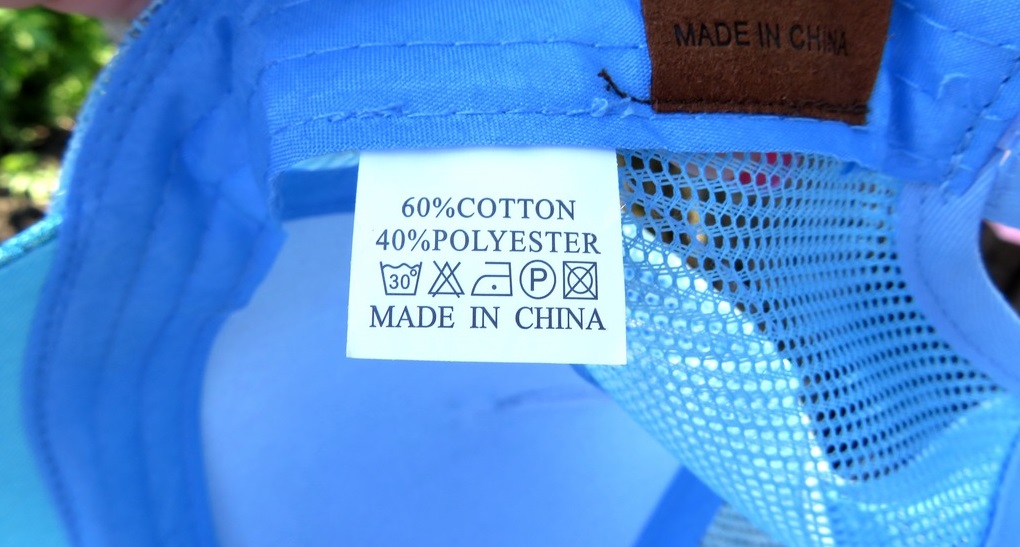
- The tag recommends washing the baseball cap in cold water only;
- the piece of clothing has damage, such as small holes, loose seams, etc.;
- The cap has a visor with a cardboard cascade (such caps were especially mass-produced in the 90s);
- a branded cap, expensive or simply very valuable to you, in general, one that you wouldn’t want to ruin.
When washing a baseball cap, use a protective net or even a metal hat holder—the latter will help maintain the cap's shape. While the shape won't protect it from high temperatures and humidity, it will help prevent wrinkling during washing. The holder opens, the cap is placed inside, and then the holder snaps shut.
Caution: Make sure the grid or pan won't damage the dishwasher during the process.
In the event of a breakdown, you will lose your right to warranty repairs for the equipment, since the breakdown will be due to your carelessness.
It doesn't matter whether you're washing one cap or several. The main thing is to place the items on the top shelf, where the water and air temperatures aren't as high, and don't wash baseball caps and dishes in the same load—it's unhygienic.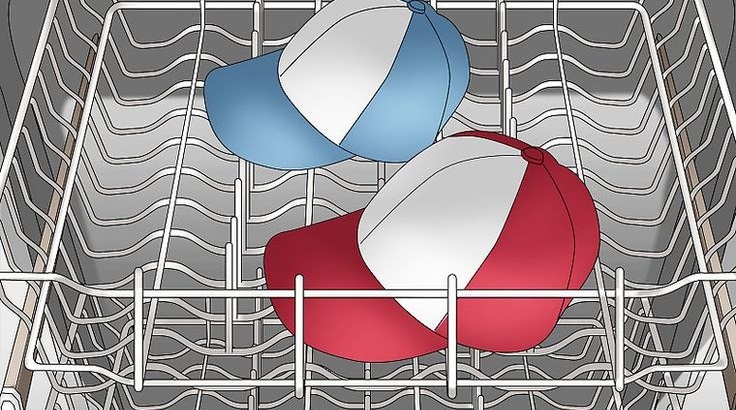
Machine drying is strictly prohibited, as the air is too hot and can distort the fabric and shape of the cap. Also, select the shortest wash cycle to reduce the impact of hot water and air on the cap. If you can set the temperature yourself, use the lowest setting.
Be very careful when choosing a detergent, as overly strong ingredients can erode the color of the cap. Apply a small amount of the chosen detergent to an inconspicuous part of the cap (for example, the inseam), wait until it dries, and check for any color fading. Then, you can use the detergent. Dishwashing liquid works well, but aggressive bleaches and citric acid-based products should not be used.
If the cap is only lightly soiled, you can skip the cleaning solution altogether. After washing, be sure to air dry the cap! Leave the mesh or holder on the cap until it's completely dry.
What else can you wash in the dishwasher besides dishes?
As mentioned above, washing clothes isn't the only thing modern users use their dishwashers for. Fruit and vegetable washing plays an important role. While there's no real option, if done correctly, the results will be very pleasing. You can wash anything from small berries (cherries, apricots) to pumpkins, squash, and eggplants.
Important! When washing fruits and vegetables, do not use detergents; instead, select "Rinse" as the wash cycle.
When washing small fruits and vegetables, use a delicates mesh strainer to avoid clogging the drain. Arrange larger fruits and vegetables evenly on the shelves. If there's a thick layer of dirt stuck to the fruit or vegetables, you'll need to remove it by hand first.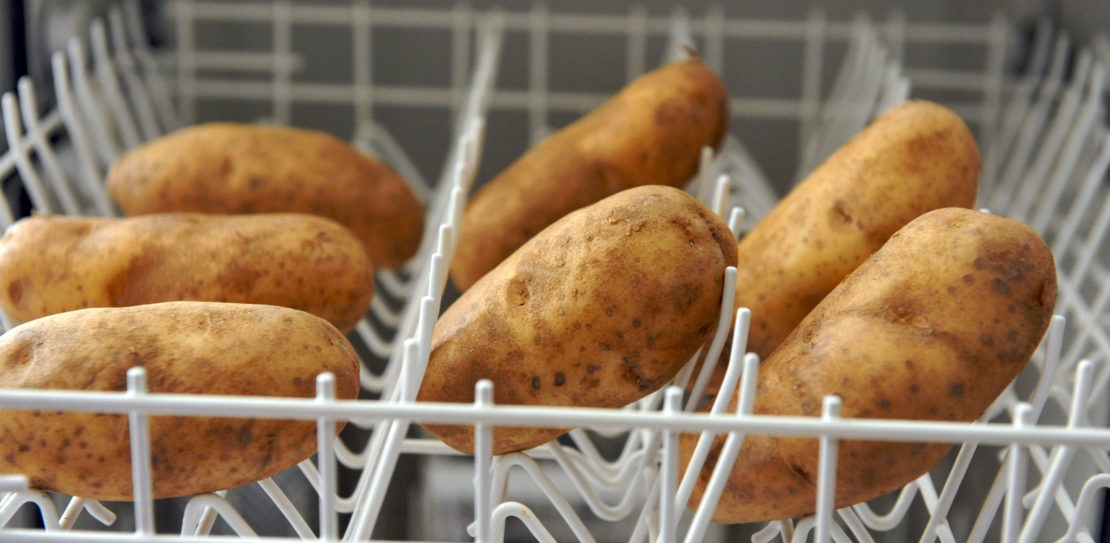
Another great use for a dishwasher is cleaning refrigerator shelves and containers. Just remember to let them warm up to room temperature before placing them in the dishwasher, otherwise the sudden transition from cold to warm can cause cracks. Position containers so that the spray arms don't catch on them.
You can wash other household items in exactly the same way—vacuum cleaner attachments, stove grates, or even your range hood filter. Repeat the cycle until you're satisfied with the results.
Non-food grade items that can be washed in the dishwasher include metal or ceramic mugs without patterns, thick plastic glasses, and even soap dishes. You can also load makeup brushes, combs, and hair ties into the dishwasher (just be sure to remove any hair from them first). The only thing that cannot be washed in a dishwasher is wood and products made from it.
If you have a pet, their bowls, collar, and toys are also dishwasher safe. Just be sure to remove any hair before washing. If the items are made of leather or covered with rhinestones, avoid doing so.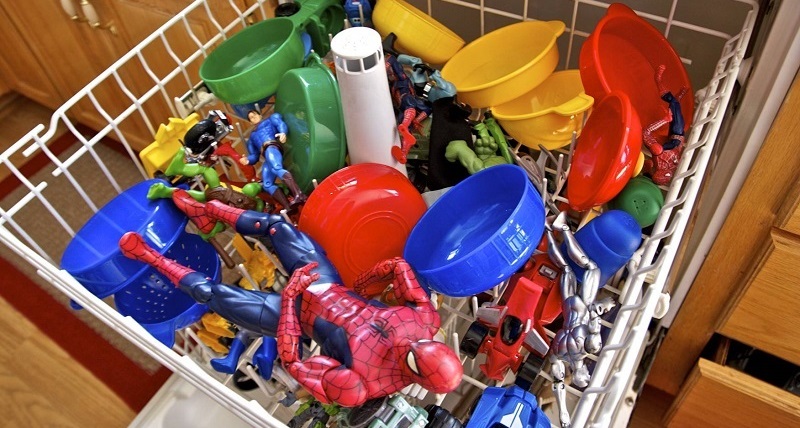
For children's plastic and rubber toys, the dishwasher is a godsend. If you disinfect them in the dishwasher once a month, you don't have to worry about the spread of germs. Most modern toys can withstand high temperatures, but if in doubt, try a cooler setting.
Even tiny toys can be washed in a dishwasher if you place them in a cloth bag. It's best to wash small children's toys without any detergent, and battery-powered toys, of course, cannot be washed in a dishwasher.
Interesting:


Readers' comments
Headings
Washing machine repair




For buyers




For users


Dishwasher




Add a comment