
Washing a judo kimono in a washing machine
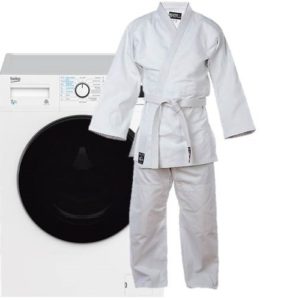 Clothing designed for martial arts requires regular washing. While kimonos are typically machine washable, it's still best to check the care instructions on the garment's label.
Traditional Japanese martial arts uniforms are made of 100% cotton, so even with gentle washing, the material may naturally shrink by 3-5%. So, how should you properly wash a judo gi? What cleaning recommendations should you follow?
How often should I use the machine?
Judo uniforms should be washed as needed. This will depend on the frequency, intensity, and duration of training, individual characteristics, and any external factors. It is not necessary to throw your kimono in the washing machine after every wearing. If there is no serious contamination on the clothing, it is enough to simply rinse the item by hand and dry it thoroughly.
It is better to throw your kimono into the washing machine no more than once every one or two weeks.
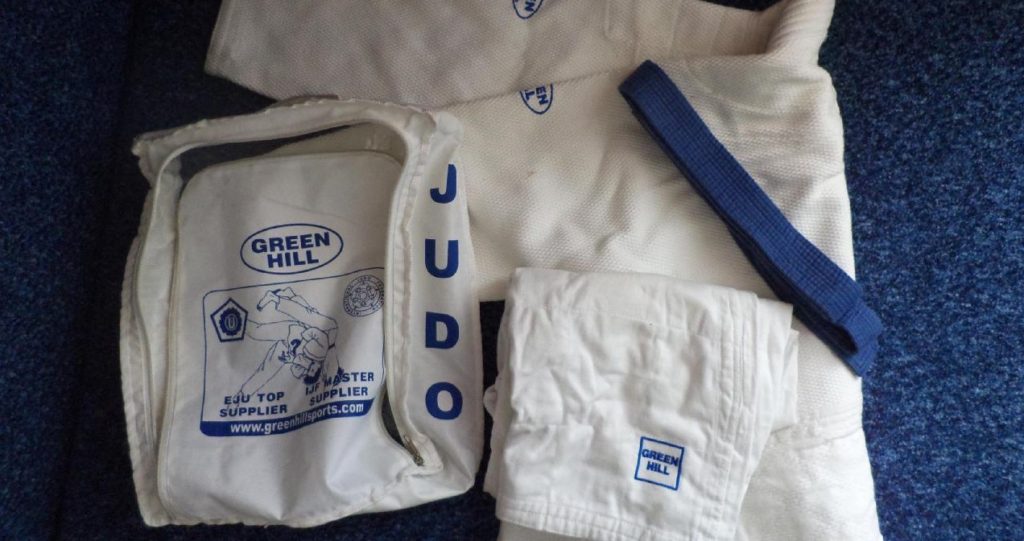
If your coach allows it, you can wear a thin cotton undershirt under your uniform. It will absorb some of the sweat, making your uniform less likely to get dirty.
Getting rid of tough stains and odors
Before throwing your judo uniform in the washing machine, inspect it. A high-quality gi will retain its crisp white appearance for a long time, while inexpensive ones may take on a gray or yellowish tint. In this case, you'll need to bleach the uniform.
To restore the whiteness of cotton fabric, you can use oxygen bleaches or other products that increase the alkalinity of regular laundry detergent. These compounds effectively break down the fats that cause yellowing on white fabric.
If you bleach a judo suit properly, the fabric's properties will not be affected. It's important to avoid using chlorine-containing products. Chlorine destroys the fibers, making the fabric more brittle and fragile.
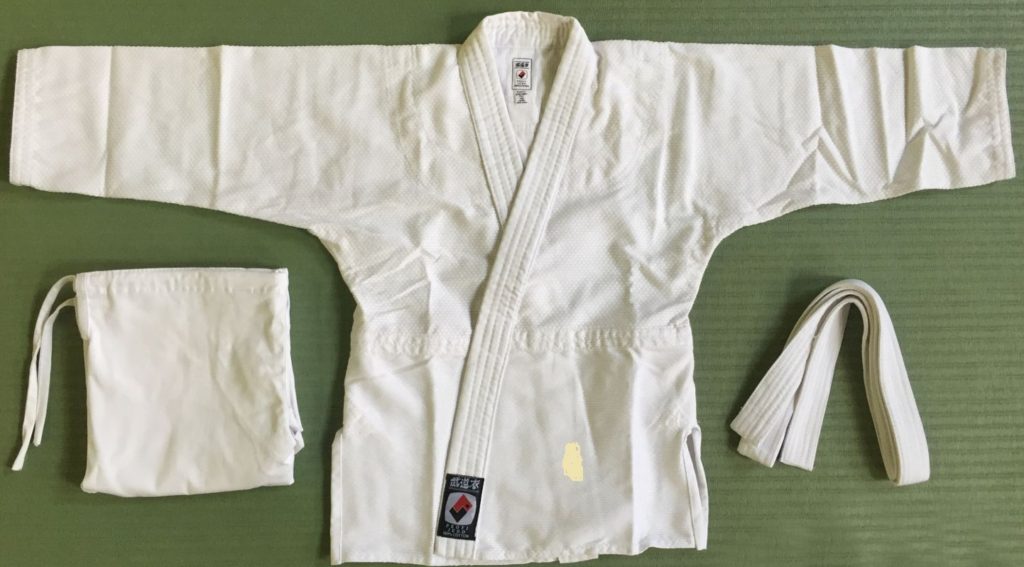
It's no secret that kimonos absorb unpleasant odors very quickly. To combat the smell of sweat, dry your uniform immediately after a workout. If you need to freshen your uniform, rinse it in clean, warm water with two tablespoons of vinegar added. The foul odor will disappear.
The most difficult areas to clean are the sleeve cuffs, the collar of the kimono and the underarm areas. It is better to pre-wash problem areas with laundry soap, washing gel or regular powder. It's acceptable to use mild stain removers designed for cotton fabrics. Only then can the martial arts uniform be tossed in the washing machine.
Let's use an automatic machine
Manufacturers typically allow machine washing of kimonos. If you choose this cleaning method, it's important to follow a few guidelines. The procedure is as follows:
- Prepare the suit for the washing machine. Wash out any stubborn stains, turn the kimono inside out, and straighten and smooth the fabric. Be sure to wash the colored belt separately, as it may fade.
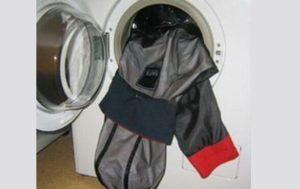
- Carefully roll up the set and load it into the washing machine. It's best to place the mold in a special mesh laundry bag first;
- Pour washing powder or liquid detergent into the dispenser. If necessary, add fabric softener into the special compartment;
- Select a cycle that meets the care guidelines for cotton items. Ensure the water temperature does not exceed 30°C. Sometimes, increasing the temperature to 90°C will provide antibacterial treatment, but this will increase shrinkage and wear of the fabric.
- Set the spin speed to a low setting, between 400 and 800 rpm. A more intense spin will cause wrinkles in the clothes, which will be difficult to remove.
- activate the cycle.
It is important to choose a long cycle so that the kimono can be “spinned” in the machine for at least an hour and a half.
During this time, all the dirt will be washed out of the fabric fibers. Running a short program, such as "Quick Wash," will only remove surface dirt and will not achieve the desired results.
After removing the kimono from the dryer, hang it on a hanger, carefully smoothing out any wrinkles. Dry the suit on a balcony, avoiding exposure to ultraviolet light, or in a well-ventilated area. Hanging white uniforms on radiators, electric dryers, or near heaters is prohibited.
If desired, you can starch a cotton kimono. You can make your own starch paste and add it to the rinse water. This will make the fabric literally "squeak" with cleanliness and feel pleasantly cool on the skin.
A smooth kimono can be ironed through a layer of gauze. A woven suit simply needs to be carefully straightened and smoothed by hand. If you follow all the washing instructions for a judo suit, the material will be wrinkle-free.
If there are many deep folds in the kimono after drying, it is better to wet the suit again and dry it according to all the rules.
What about the belt?
Young judokas begin their journey with a white belt. In this case, no special issues arise—the uniform is simply washed along with the belt. Experienced athletes, who have earned the right to wear colored obi, will have to wash the belt separately from the suit. Incidentally, some martial arts schools forbid washing the obi belt. But that's a different matter.
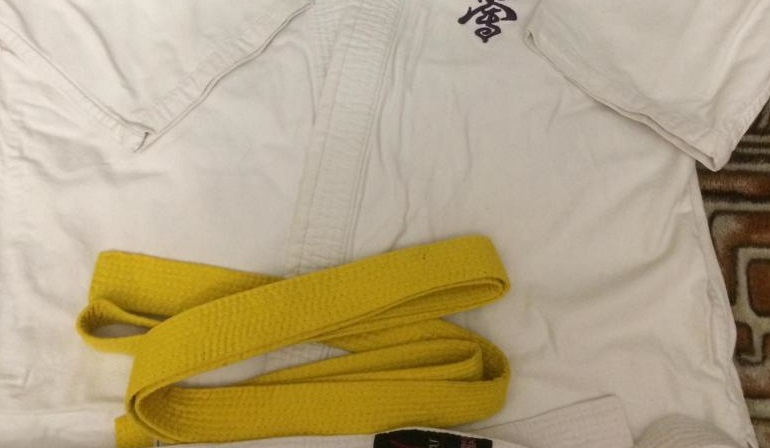
Hand washing a belt is quite simple. Fill a basin with warm water, add a color-safe detergent, and soak the belt for 20-30 minutes. Then, simply knead the water to remove any dirt and rinse.
If there are stubborn stains on the belt, it's best to pre-wash them before the main wash. You can use special stain removers for colored fabrics (chlorine-free) or oxygen bleaches.
Recommendations from professionals
Basic care instructions for your kimono are listed on the garment's label. The manufacturer will advise on the preferred cleaning method, temperature, and ironing options. The label also lists the fabric composition. Suits made from pure cotton require more careful handling; if synthetic fibers are added to the material, there will be fewer restrictions.
It's important to understand that the fabric used to make kimonos shrinks unevenly, depending on the weave and the arrangement of the fibers. Judo jackets typically shrink significantly in width, while their length remains virtually unchanged.
When washing a kimono, it is important to follow these recommendations:
- Avoid overusing high-temperature programs. Hot water gradually destroys cotton fibers, causing the fabric to wear out faster.
- If you cannot remove the stains yourself using available means, take the item to a dry cleaner;
- To improve washing results, add an antistatic fabric softener to the detergent dispenser. This will make the fabric softer and smoother.
- In winter, it is better to air out your judo uniform in the frosty air after each training session;
- Keep in mind that a high-quality kimono takes a long time to dry. Therefore, if you practice Japanese martial arts daily, consider purchasing a second set to change into. Otherwise, you'll have to resort to the prohibited forced-drying method, which will quickly cause your uniform to lose its shape.
If you wear a vest or T-shirt under your gi, it's best to wash it in hot water after each workout. High-temperature washing will help kill microorganisms embedded in the fabric fibers. Also, if you notice your judo uniform isn't shrinking, wash it once a month at 65-90°C. This will help kill the bacteria that cause the foul odor.
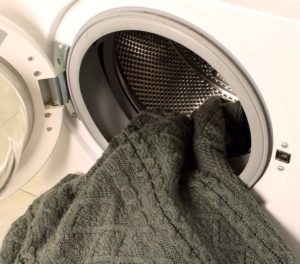
After washing, it's important to immediately remove your workout clothes from the washing machine, shake them out well, and hang them up. If they sit in the drum for too long, they'll wrinkle and may develop a musty odor.
And one more thing: when getting ready for training, it's important to carefully fold your gi into its bag. A properly folded gi will prevent wrinkling, meaning it will stay looking fresh longer.
Interesting:
Readers' comments
Headings
Washing machine repair




For buyers




For users


Dishwasher




Add a comment