
Bosch dishwasher valves
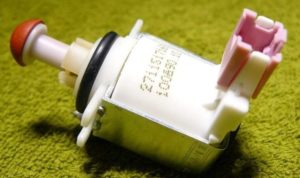 Small and simple parts like the valves in a Bosch dishwasher are crucial to the overall operation of the appliance. If even one of the valves in your "home helper" starts to malfunction, the machine will either not perform its primary function at all or will perform it with significant interruptions. In this article, we list all the different types of valves found in Bosch dishwashers, provide a brief description, and explain how to replace them. We hope you find this helpful.
Types of valves
The purpose of any valve in a Bosch dishwasher is to allow a certain amount of liquid to flow in a certain direction, and then shut it off at the right moment. Solenoid valves operate under the control of a control module, which then issues a command, causing the valve to either open or close. Mechanical valves operate independently, but they are no less useful. What types of valves are available in a Bosch dishwasher?
- Electromagnetic water inlet valve.
- Check valve for drain.
- A special valve that protects the machine from emergency leakage - Aquastop.
Each of these valves has its own design, is installed in a specific location, and is adjusted according to a specific algorithm. We'll discuss this in detail below.
Inlet
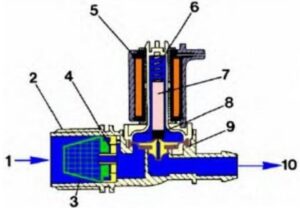
The inlet valve plays a crucial role. It shuts off the water flowing under pressure into the dishwasher. Its primary function is to open briefly on command from the control module to allow a small amount of water to enter the machine, and then close again on command. The valve is activated every time the dishwasher needs to be refilled with clean water. Depending on the program, this may be necessary from 2 to 8 times per wash cycle.
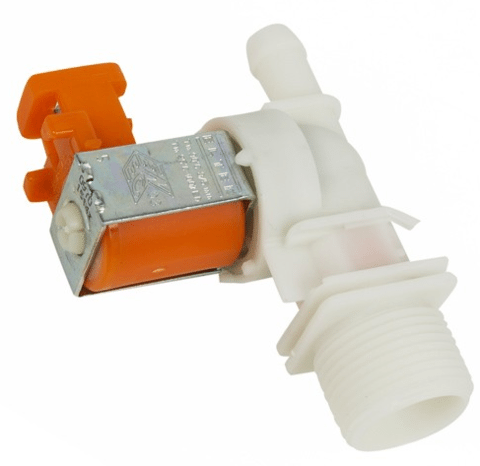
Malfunctions in the control module or the wiring connecting the control board to the intake valve will lead to dysfunction of the latter.
The connection between the inlet valve and the control module allows for quick shutoff of the water supply not only during normal operation but also in emergency situations. However, the machine is equipped with a special valve for emergency shutoff.
Anti-siphon
The check valve or anti-siphon valve is designed much more simply, but this does not mean that its role is in any way diminished. The anti-siphon valve is installed on the dishwasher drain at the base of the drain hose. As soon as the pump begins pumping wastewater into the sewer under pressure, this valve opens, allowing wastewater to flow freely into the drain. If the pump stops working, the valve closes securely.
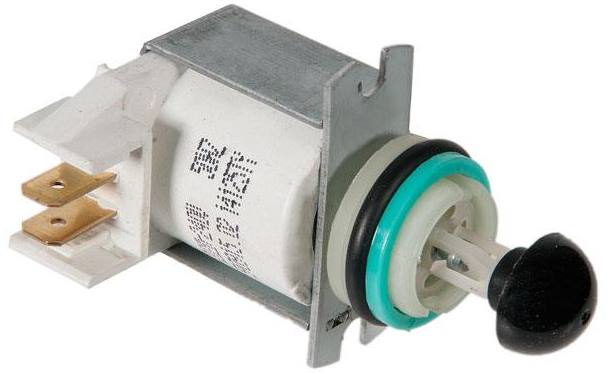
If sewage suddenly backflows from the drain into the dishwasher, a reliable anti-siphon valve will block it. No matter the pressure, the valve will stop the sewage. Some users who installed their dishwashers themselves ignored this valve and bitterly regretted it. When a clogged drain occurred, all the sewage would flow into the dishwasher and end up on clean dishes. Pure unsanitary! In short, no Bosch dishwasher is complete without an anti-siphon valve, and now you understand why.
Leak-proof
The safety valve is an integral part of the Aquastop system. Some people mistakenly believe that this valve is the only component of the safety system, but this is not true. Bosch dishwashers with partial leak protection have a special sensor with a float in the tray. When enough water enters the tray, the float rises and closes the sensor contact, which in turn signals the valve, which then immediately closes.
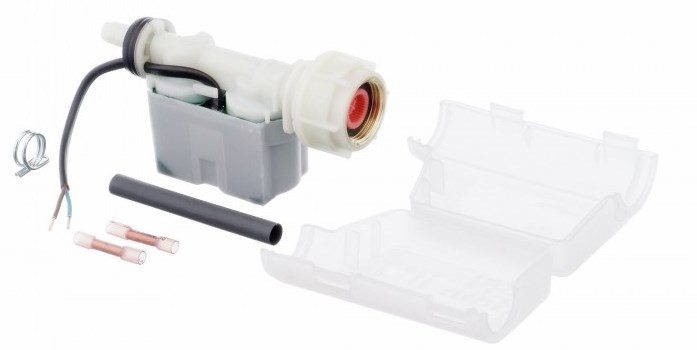
To reopen the valve, you'll need to open the sensor contacts in the tray by draining the water and eliminating the cause of the leak. The Aquastop valve, installed on the inlet hose of a Bosch washer with full leak protection, is triggered when the hose ruptures. The Aquastop hoses in these machines are also unusual. They have a double layer.
- When the main layer is ruptured under pressure, water gets between the layers and presses on the valve.
- The valve closes tightly, blocking the flow of water into the machine.
- No matter how hard the user tries to restart the machine, it will not work.
In this case, no measures will help; a complete hose replacement is necessary, as this system is designed for single-use. The next hose will serve until a similar emergency occurs, which fortunately is rare, otherwise the user would go broke buying new hoses.
Features of replacing these parts
When replacing the inlet valve, it is important not to mix up the contacts when connecting it, but first you will have to remove the dishwasher tray. More details about disassembling the machine are described in the article How to fix the E14 error on a Bosch dishwasher, we won't dwell on this now.
The fill valve is directly connected to the inlet hose, so it shouldn't be difficult to find. Before removing the old valve and disconnecting the wires, take a photo of it. Then, use a multimeter to check the part's functionality before replacing it. Reinstall the wires in the correct order before reassembling the machine.
The anti-siphon valve only needs to be replaced if it becomes clogged. This usually happens after 5-7 years of use. Simply unscrew the old valve and screw in the new one—no big deal. But this should be done at least once every 7 years, otherwise, a clogged valve may fail at a critical moment, and you won't be happy with the results.
The Aquastop valve is the easiest to replace. It doesn't even require disassembling the dishwasher, as it's located on the outside. The only downside is its cost. It costs an average of $45, and over the life of a single dishwasher (7-12 years), it can fail two or three times. While it's quite expensive, without it, you risk flooding your downstairs neighbors.
In conclusion, a Bosch dishwasher doesn't have many valves, but each one is in its proper place and plays a vital role in the overall performance of the appliance. It's largely thanks to these parts that we wash mountains of dirty dishes every day without any physical effort. And that's worth a lot!
Interesting:

3 reader comments
Add a comment
Headings
Washing machine repair




For buyers




For users


Dishwasher




Thank you
Thank you!!!
Thank you