
Energy efficiency class of washing machines and their efficiency
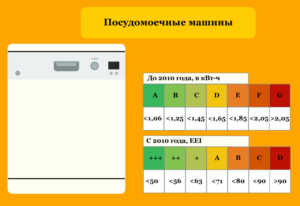
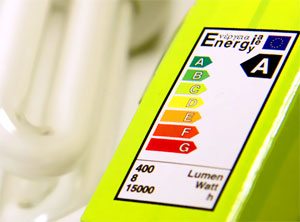 Washing machine energy efficiency classes are designated by letters of the English alphabet. Incidentally, the same letters also designate spin and wash classes. A "+" sign(s) may also be used next to the letter "A."
These classes are determined through laboratory tests using a washing machine. For this, the machine is loaded with cotton laundry and the wash temperature is set to 60 degrees Celsius.
The washing results are used to calculate the indicators, which are expressed in kWh per kilogram of washed items.
Washing machine energy efficiency class table
| Electricity consumption classes | Power consumption |
| Machine with markings A++ is the most economical at the moment. | She has enough less than 0.15 kWh per kg washable items. |
| The next most economical class will be "A+". | He will please us with a need that will be below 0.17 kWh per kilogram underwear. |
| Further in the table there will be washing machines with the designation "A". | These home appliance samples are limited 0.17-0.19 kW/h per kilo. |
| If you see an energy consumption symbol on a sticker "IN"… | This means that the machine can “eat” from 0.17 to 0.19 kW/h per kilogram of things. |
| Next class – "WITH". | The units that comply with it need to operate 0.23-0.27 kW/h all the same kilogram linen. |
| Marking «D» will inform you that… | The washing machine will work hard using 0.27-0.31 kW/h per kilo washable fabric. |
| And what will the icon tell us? "E"? | Just that 0.31-0.35 kW/h per kg things - this is a normal need of this device. |
| Class «F» found on the label… | It will inform us that the norm for this washing machine is – 0.35-0.39 kW/h for each kg. |
| Class «G» the last and most wasteful of the existing classification. | Such machines will need more for washing 0.39 kW/h per kilogram washed laundry. |
It's highly unlikely that you'll find a household appliance manufactured today that's rated "G." After all, most modern manufacturers strive to reduce the energy consumption of their appliances.
How did energy consumption classification come about?
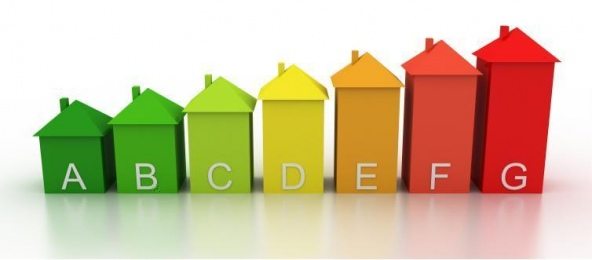
Even twenty years before the end of the last century, buyers began to be increasingly concerned not only with the quality of household appliances, but also with the amount of resources they consumed.
Efficiency is a sensible approach. And the desire to achieve the same results while spending less on electricity is understandable.
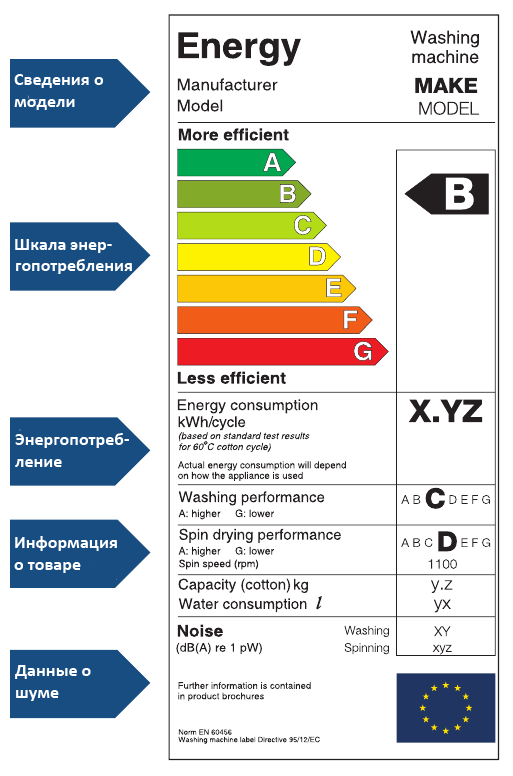 Therefore, many household appliance manufacturers began providing energy consumption information on their products. This information was not then standardized and could vary across countries and brands.
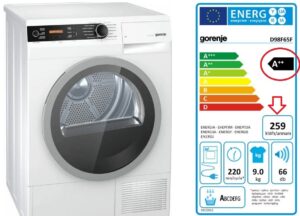
In 1992, a unified classification system was developed in Europe, which has since become the norm worldwide. This is how the current system of classes, designated by Latin letters from "A" to "G," came into being. The class of a washing machine, like that of other large household appliances, is indicated on a special standard sticker attached to the outside of the appliance.
Just two or three years ago, the most energy-efficient class was designated "A." Then a new, more energy-efficient class, "A+," emerged. And after that, "A++," a new, more energy-efficient class, "A+++," has already appeared in some types of household appliances. It's likely that more appliances with this designation will soon appear.
Interesting:
Readers' comments
Headings
Washing machine repair




For buyers




For users


Dishwasher




Add a comment