
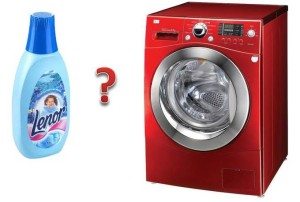
When should I add fabric softener to my washing machine?
 Many people wash their clothes exclusively with powder or gel detergent, focusing solely on cleaning the fabric. Others, however, focus on the softness and freshness of their clothes, adding fragrances and fabric softeners. However, both groups often don't know where to add fabric softener in the washing machine and at what point in the wash cycle. Meanwhile, manufacturers provide clear recommendations, without which the product's effectiveness will be significantly reduced.
The moment of adding rinse aid
If you pour fabric softener into the wrong place or at the wrong time, it will be in vain—it'll be washed down the drain or overwhelmed by the detergent. To prevent this, add fabric softener at the right time. The timing depends on where you're adding the liquid: into the detergent drawer or the drum.
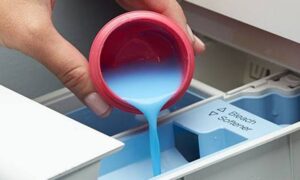
Fabric softener is poured into the dispenser before starting the wash cycle. The machine is plugged in, the drawer is pulled out, and the detergent and rinse aid are added to the appropriate compartments. Then, the rinse cycle is selected using the selector, and the cycle is started.
Fabric softener is drawn from the dispenser during the rinse phase.
The algorithm changes if your washing machine doesn't have a separate compartment for conditioner. In this case, you can pour the conditioner directly into the drum, but follow these guidelines: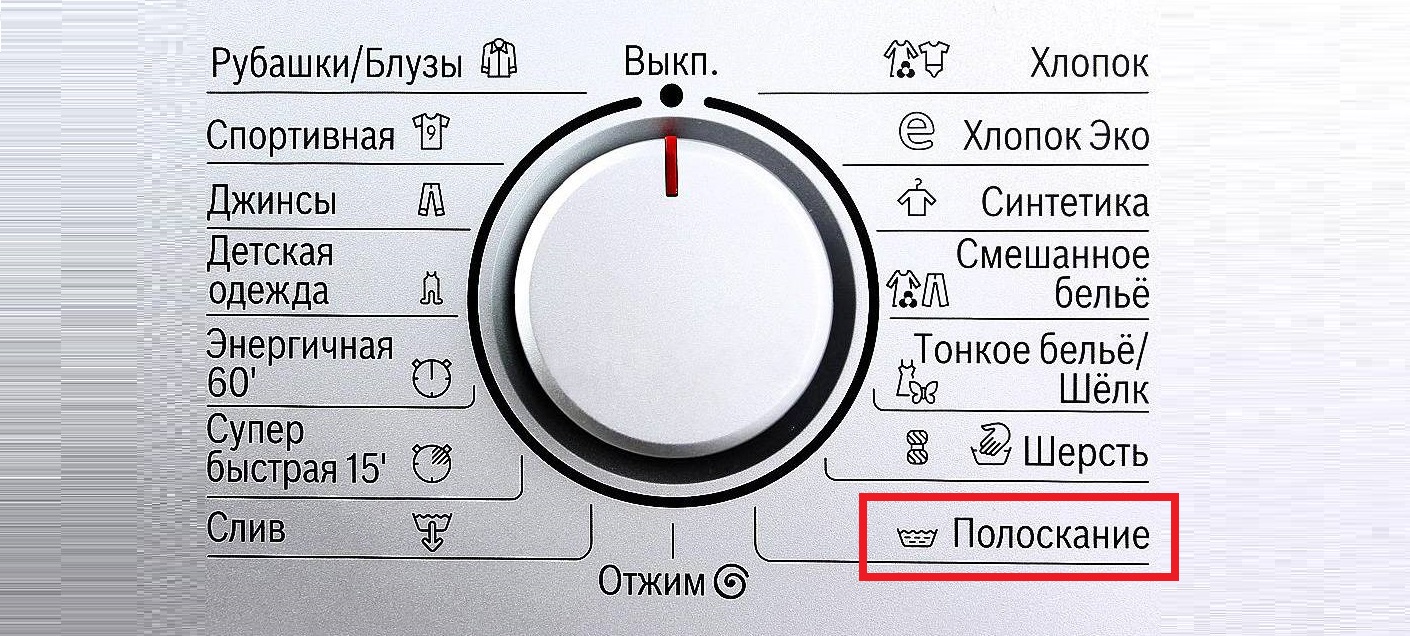
- the program starts without rinsing;
- at the end of the cycle the machine stops;
- the hatch door opens;
- the required amount of gel is poured into a special container;
- the container is placed in the washing machine;
- the hatch closes;
- Rinse and spin cycle starts.
If there's no dedicated detergent container, you'll have to make do without one. After the main wash is complete, remove the items from the drum, pour fabric softener into the bottom of the empty cylinder, and rinse away any remaining fabric softener with plain water. All that's left to do is return the laundry to the machine and start the rinse cycle.
Rinse aid compartment
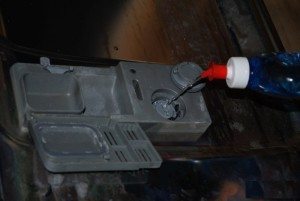
The detergent dispenser is traditionally located in the upper left corner of the automatic machine. Typically, the dispenser is divided into three compartments, each differing in size and purpose. The “function” of the cuvette is determined by the markings applied.
- "II" or "B" is the largest compartment in the detergent drawer, from which the detergent is drawn during the main wash. Therefore, powder or gel is poured here.
- "I" or "A." A medium-sized compartment used when the "Prewash" or "Soak" program is activated. You can add detergent, bleach, or stain remover. When using other programs, the compartment does not fill with water, keeping the laundry dry.
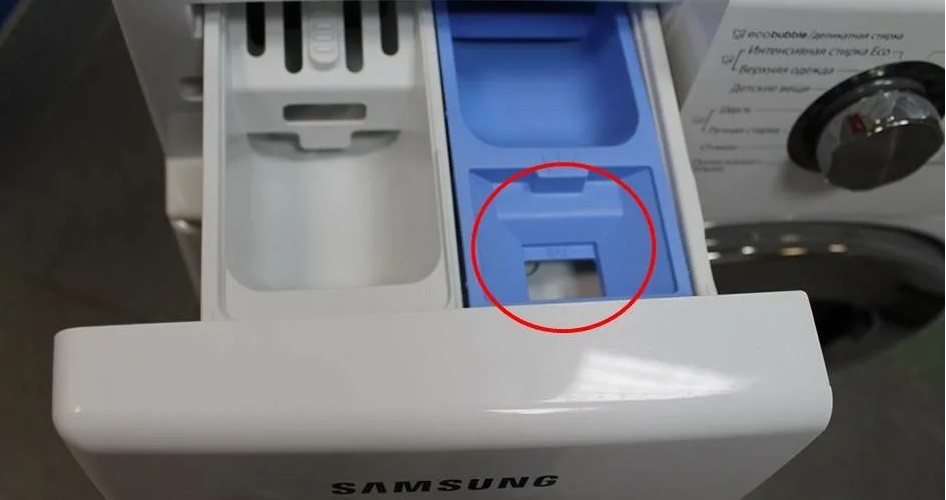
- "*" is the smallest drawer, designed for adding liquid detergents, including fabric softener. One wall of the drawer must have a notch marked "max," indicating the maximum fill level for the rinse aid.
The final drawer is filled with water only during the rinse phase, ensuring the fabric receives the fabric conditioner at the right time. The liquid is then rinsed away, leaving the fabric soft, smooth, and fresh. Modern washing machines offer removable rinse aid drawers. The principle is the same, but the difference is convenience. When needed, this drawer can be easily removed and cleaned to remove residue and dirt.
The nuances of using an air conditioner
Choosing the right time and slot is not everything. To ensure that your air conditioner operates as efficiently as possible, you need to follow a few more important recommendations. So, you should remember about the dosage, type of product and the nuances of its dissolution.
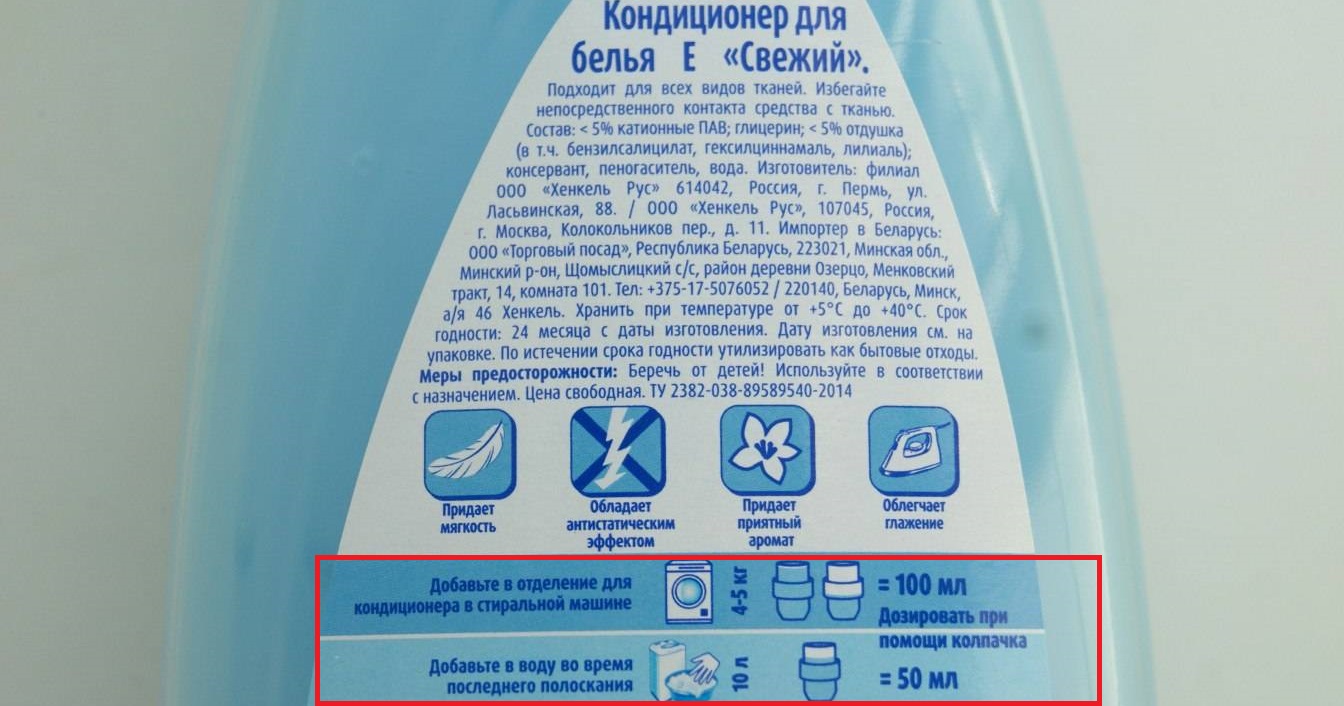
- Dosage. If you add too much liquid, exceeding the recommended amount, the product won't have time to dissolve, and your laundry will harden and become covered in white spots. Underfilling will also have a negative effect, making the rinse aid less effective. It's best not to experiment, but to calculate the dosage according to the instructions on the packaging.
- Conditioner type. The modern market offers dozens of different gels: for colored clothes, wool, delicate fabrics, baby clothes, and more. It's important to choose the right liquid or use universal formulas.
- Ingredients. Concentrated mouthwashes are often available, and they are recommended to be diluted with water at a ratio of 1 to 3 before adding to the dispenser.
Another point concerns attentiveness. Liquid laundry detergents have similar packaging, so in a rush, you might end up pouring stain remover or descaling mixture into the machine instead of fabric softener. The result is often disastrous. The only solution is to be extremely careful.
Keep the powder container clean
Conditioner, like any detergent, leaves a slimy layer on the walls of the detergent drawer, which hardens over time and becomes coated with dirt. If the cuvette is not cleaned, there will be too much deposits – the plaque will clog the pipes, the gel will be washed out worse, and less liquid will get into the drum. To avoid this situation, it is necessary to regularly wash the powder receptacle.
It is recommended to clean the tray after each use of the washing machine!
There are three ways to clean the detergent drawer: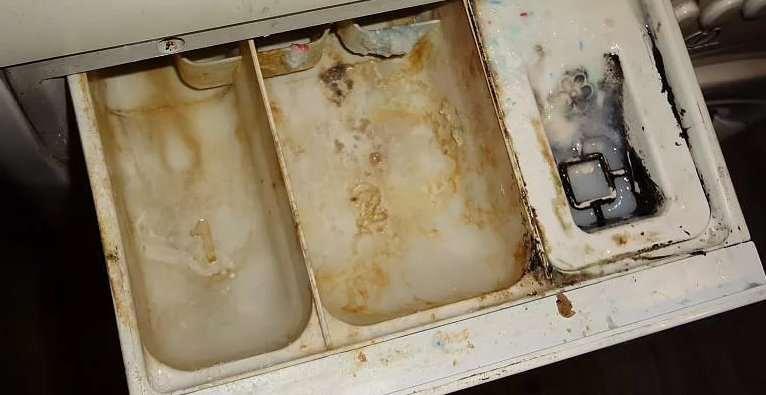
- remove the dispenser, then soak and clean it by hand;
- fill the compartments with citric acid and run the machine on a high-temperature cycle;
- Pour baking soda into the powder container, then add vinegar, wait 15-20 minutes, rinse and dry.
Any of the methods listed above can clean the tray quickly and inexpensively. The key is to keep up with cleaning to prevent clogged pipes and the spread of mold throughout the machine. It's also important to remember that white plastic inevitably turns yellow or gray over time, which can be prevented by regular cleaning.
Interesting:
Readers' comments
Headings
Washing machine repair




For buyers




For users


Dishwasher




Add a comment