
Homemade fabric softener
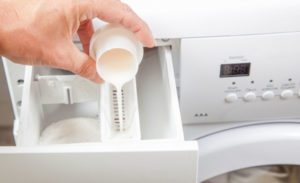 The effectiveness of natural laundry detergents was proven by our grandmothers. They didn't have a huge selection of household chemicals, but they always managed to wash everything. In addition to laundry detergents and soaps, fabric softeners are essential for laundry care. In modern parlance, they're called fabric softeners or conditioners. And you don't have to buy them at the store; you can quickly make your own at home.
Vinegar-based recipes
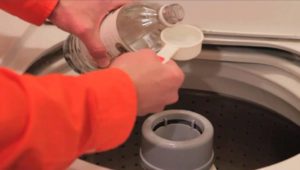
The most common substance used for rinsing laundry is table vinegar, which is especially good for woolen items. In addition, vinegar preserves the color of clothes. You can use vinegar on its own, but only for hand rinsing. It's not recommended to pour it into a washing machine. There are several recipes using this substance.
Important! When preparing any conditioner, maintain the correct proportions of all ingredients.
- Recipe one. You need to take a convenient container, for example, a bottle from an old air conditioner,
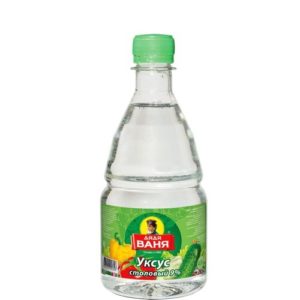 1 liter bottle. Pour a liter of vinegar and 5 drops of lavender oil into the bottle. Mix the mixture well and use 1 cup of the rinse aid per wash cycle. For a half-load, half the rinse aid is enough. It will keep for about 2 months.
 - Recipe Two. This recipe is slightly different from the previous one. Take 1 liter of vinegar and six drops of peppermint oil, mix them together, and use as a rinse. Softness is guaranteed. It's best to store this mixture in a dark glass or plastic bottle for no more than 60 days.
- Recipe three. To obtain the conditioner you need to mix soda ash or regular sodaMix equal parts vinegar and lukewarm water. It's best to mix the ingredients with a wooden spatula or spoon in an enamel bowl. Be careful when doing this. For a washing machine rinse, use the same amount of product as you would use in a store-bought version. You can add essential oil of any scent to the mixture, approximately 20 drops per liter of conditioner. And don't forget to store it in a dark place.
- Recipe four. Prepare vinegar essence, distilled water, and hair conditioner. Add 300 ml of vinegar and 200 ml of conditioner to 600 ml of water, mix well, and use in the washing machine. It's not the cheapest option, but despite this, it's the most popular among homeowners.
Note! Acetic acid has good disinfectant properties and is also a good detergent remover. It's inexpensive, so a homemade fabric softener made with it will be very affordable.
Borax composition
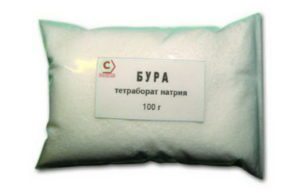 Borax has the ability to soften hard water, so it can be used for hand washing. No special steps are required; simply add a quarter cup of the substance to the water during the rinse cycle.
Borax doesn't just soften fabric; it kills dust mites, as well as various fungi and mold. Items washed this way become cleaner and softer. However, be careful, as borax can cause skin irritation and allergies, so don't apply too much.
"Fragrant" mouthwashes
For those who don't want to deal with acetic acid because of its unpleasant smell, we offer methods for making conditioner without vinegar.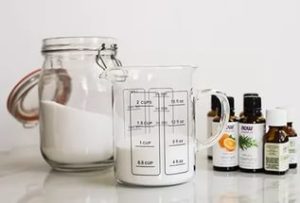
- Method one: Buy 250g of Epsom salt (magnesia) from a pharmacy, then add 10 drops of orange oil to the salt. Place the resulting mixture into a rinse aid container; a couple of tablespoons will be enough. Store this conditioner in an airtight container.
- Method two: Dissolve 3 tablespoons of baking soda in a glass of warm water and add sandalwood or jasmine oil. This recipe is suitable for washing machines.
- Method three. To make your own thick fabric softener suitable for your washing machine, mix 6 tablespoons of hair conditioner with 10 tablespoons of sea salt and add a few drops of essential oil. This conditioner leaves your laundry feeling soft. Place 3-5 tablespoons of it in the designated compartment.
What to replace it with?
Some housewives use tennis balls instead of fabric softener. This is no accident. The balls have a smooth surface and are gentle on fabrics. They constantly rotate in the drum along with the laundry, giving it a good shake, leaving it soft and pleasant.
Of course, tennis balls won't give your laundry the pleasant scent that homemade fabric softeners do, but if you don't like odors, this is the way to go.
 And what's important is that tennis balls have the least impact on the machine's performance, which can't be said about vinegar or borax. In our opinion, such substances should not be added to the washing machine.
To summarize, let's list all the advantages of home air conditioners made with your own hands:
- they are significantly cheaper than their store-bought counterparts;
- Vinegar-based conditioner kills germs on clothes;
- make ironing easier and softer;
- they rinse themselves well and wash away any remaining detergent;
- From the mass of recipes, even an allergy sufferer can find his own.
Interesting:



Readers' comments
Headings
Washing machine repair




For buyers




For users


Dishwasher




Add a comment