Where do I put detergent in an Ariston washing machine?
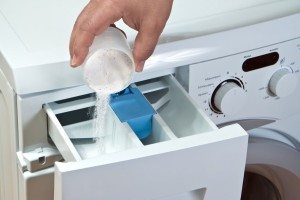
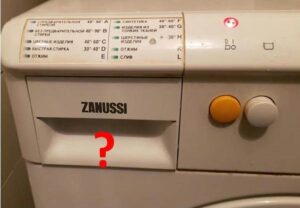
Washing machine manufacturers have devised and implemented the powder drawer for a reason. It dispenses detergent into the drum in a measured dose, improving washing efficiency and protecting items from discoloration. Drawers come in a variety of shapes and sizes, so not everyone knows where to pour the detergent in an Ariston washing machine. We suggest you clarify this issue to avoid confusion and mistakes.
Identifying the powder receptacle compartments
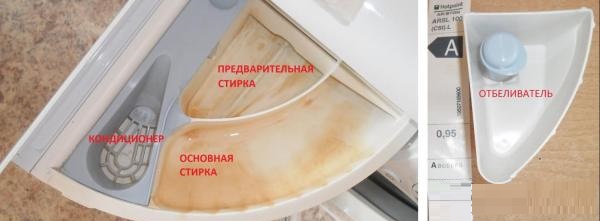
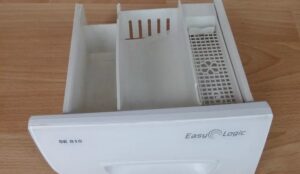
It's rare to find identical dispensers, even from the same manufacturer. For example, Ariston machines typically feature semicircular powder receptacles, though rectangular variations are sometimes available. Regardless of shape, each drawer is always divided into three sections. The markings will help you understand which compartment of the tray contains the powder and where it is best to pour the stain remover.
The pre-wash compartment is marked with "A," "I," or "1." Powder is added here only when the corresponding program is started. Then, detergent from the first compartment is used for soaking or initial washing, after which the main cycle begins, drawing from the other compartment. If no detergent is added, the laundry will spin in clean water.
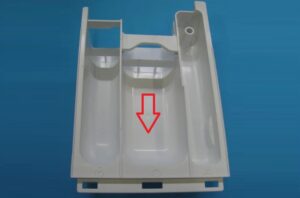
The main wash compartment is marked with "B," "B," "2," or "II." It's usually larger than the two adjacent compartments. Detergent is added here during any cycle.
The "*" symbol or a flower symbol marks the compartment for additional liquid detergents—softener, stain remover, bleach, water softener, or rinse aid. This compartment is usually the smallest on Ariston machines and is located between the main and pre-wash compartments.
Knowing the markings, it's easy to determine the purpose of each compartment. It's also helpful to know that in Ariston machines, the main wash compartment is located on the right side of the semicircular dispensers.
The compartment markings are not visible
It's more difficult to figure out how to use a powder dispenser if there's no markings. This can happen if the machine has been in use for a long time, and the manufacturer's markings have worn off over time. But this doesn't mean you should randomly pour powder into the dispenser's compartments. It's much more convenient and effective to conduct a small test.
To determine which compartment to add detergent to during the main wash, open the detergent drawer at the start of the cycle. This won't affect the machine's operation; just close the door tightly and start the machine on the standard or quick cycle. Wait for water to flow into the dispenser—the first compartment washed can be marked as "2" or "B."
During the standard wash program, water is first supplied to compartment “2”, and during the pre-wash program, it is supplied to compartment “1”.
Continuing the test, we select the pre-wash program and wait for the water to fill. This mode will first wash compartment "1" or "A." By eliminating two of the three, we "identify" the compartment intended for fabric softener or stain remover.
Can I pour it into the drum?
Many housewives "boycott" the detergent drawer, adding detergent directly to the drum. This behavior is caused by prolonged use of the washing machine, which causes the drawer to become dirty due to undissolved detergent. This deposits eventually clog the nozzles and pipes, preventing soapy water from reaching the clothes, and degrading the washing results.
However, washing machine manufacturers, including Ariston, strongly advise against removing the loading tray. There are several reasons for this:
pouring it into the drum makes it difficult for the detergent to dissolve completely, which causes light spots to appear on clothes;
The product is not dosed, it washes out faster and does a worse job of cleaning.
Now, let's take things one step at a time. During washing, powder granules "stick" to the garment and dissolve in one spot, which inevitably leads to fading stains on black and colored items. The same applies to gels, which, when applied to fabric, are immediately absorbed and begin to corrode the dye.
As a result, streaks and stains appear on the fabric, and the clothes themselves don't wash. Many housewives try to outsmart the system by adding detergent to an empty drum. They believe that the detergent will flow through the holes in the bottom and dissolve in the water without damaging the laundry. However, it's important to remember that when the cycle starts, the pump automatically pumps the old detergent down the drain, along with some of the soap. Naturally, this will upset the proportions, and proper cleaning will be compromised.
The tray must be washed regularly to prevent undissolved powder from hardening!
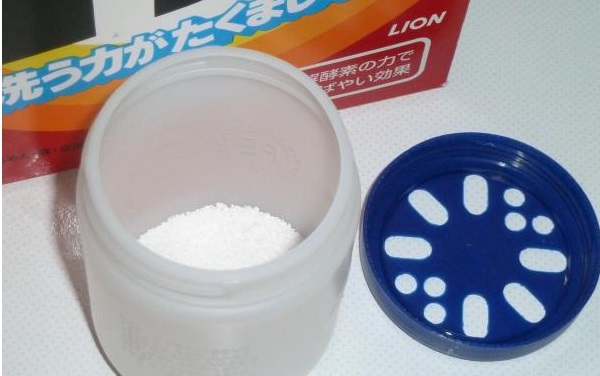
Wash quality will also suffer due to the inability to gradually remove detergent from the dispenser. However, there is a solution: place the powder or gel in a special container. This is a plastic jar with small holes in the walls, which ensures the soap is gradually removed from the container.Ideally, it's worth having several of these dispensers to wash with fabric softener.
Modern capsules instead of powder
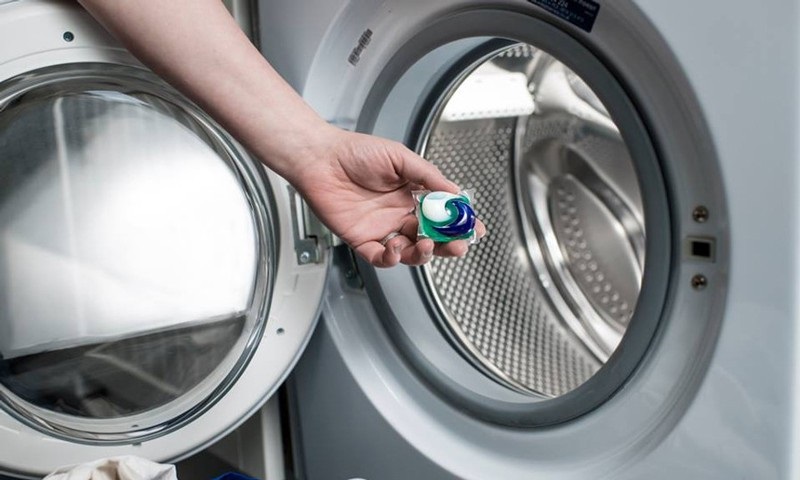
If you refuse the powder receptacle, special ones will be a real salvation washing capsulesThanks to them, you can add detergent directly to the Ariston drum without risking your clothes or washing results. This effect is achieved through a water-soluble shell containing concentrated gel. As a result, the concentrate is delivered to your clothes in the right amount, leaving no stains or streaks.
To ensure high-quality and safe washing, you need to know how much detergent to use and where to add it. Otherwise, your laundry will be damaged or won't wash properly.

 Washing machine manufacturers have devised and implemented the powder drawer for a reason. It dispenses detergent into the drum in a measured dose, improving washing efficiency and protecting items from discoloration. Drawers come in a variety of shapes and sizes, so not everyone knows where to pour the detergent in an Ariston washing machine. We suggest you clarify this issue to avoid confusion and mistakes.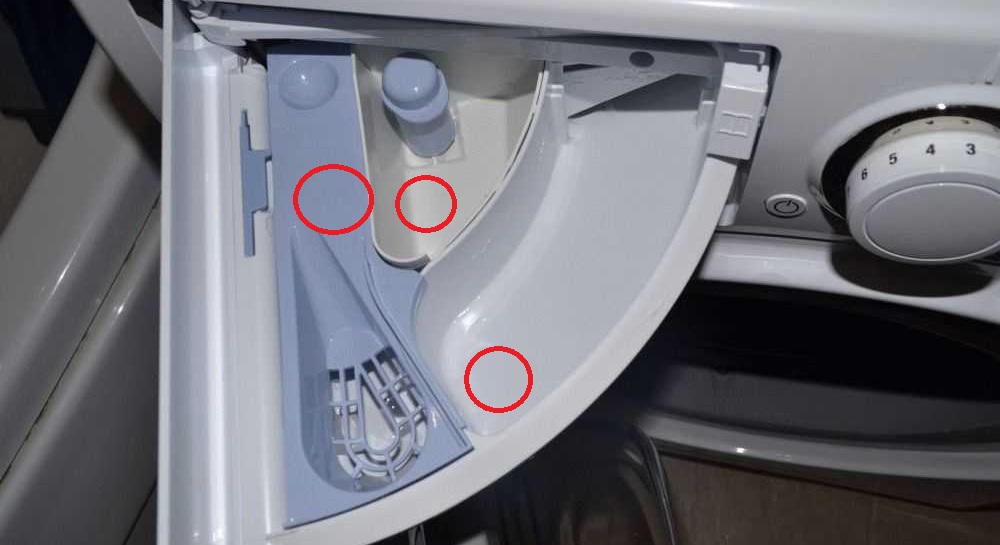














What if you push the powder into the tray? Pour it directly into the hole in the tray? 🙂