Where do I add stain remover in my washing machine?
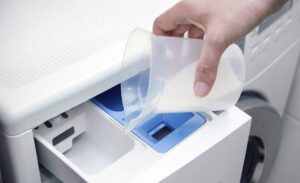
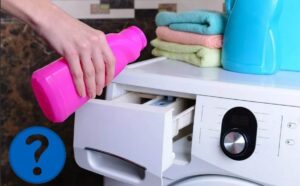
Carefully pour the stain remover into the designated compartment. It's also important to follow other instructions for using the product; this is the only way to remove stains and yellowing from items. Adding the detergent to the wrong compartment or using too little will simply wash it out and render it ineffective. To ensure your washing machine gets the most out of your work, you need to find out which compartment is specifically designed for stain remover. Let's explore all the nuances in more detail.
Finding a suitable compartment
Manufacturers of modern household appliances think through every detail in their washing machines. Each compartment is designed for specific types and purposes. The quality of the main wash and other stages of the cycle depends on the user's correct actions. If the compartments are mixed up, clothes will remain dirty or not be completely rinsed from the soapy water. Before starting the machine, it's recommended to familiarize yourself with its internal components.
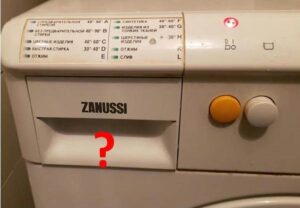
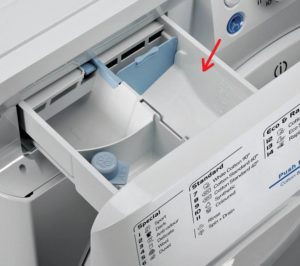
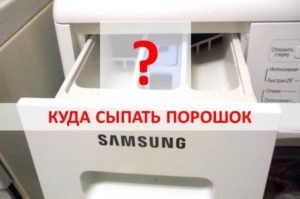
First, pull out the drawer and inspect it carefully. Typically, this part is located at the top left. If your washing machine is top-loading, the drawer can be found under the top cover. Most modern machines have three compartments of varying sizes. What are the markings and what do they mean?
"*" for "Softener." This refers to the smallest compartment, located in the center. This is where you add fabric softeners, antistatic agents, rinse aids, and other auxiliary products. The product is removed from this compartment only during the rinse cycle. If you accidentally add stain remover, it won't be washed out and will remain in the fibers.
"A", "I". Medium-sized compartment where only powdered detergents are added when using the pre-wash or soak cycle. Gel-like liquids should not be added to the middle compartment.
"B", "II". The largest compartment of the washing machine drawer. Water flows here at the beginning of each cycle. You can use any means: powders, gels, stain removers, shampoos, etc.
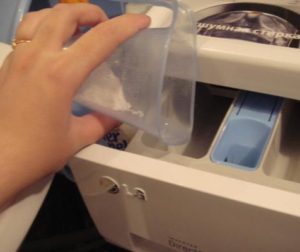
Therefore, if your washer doesn't have a dedicated stain remover compartment, it's best to add it to the largest compartment. This is usually located in the left-hand drawer and is marked with the symbols "B" or "II."
Special Department
Most modern washing machines have special compartments for stain removers. These compartments are marked with a triangle. To determine whether your specific machine has this feature, carefully read the instructions. It's important to pay attention to the "max" mark, which indicates the maximum amount of detergent to use to prevent overflow.
Some users prefer to pour the stain remover directly into the drum. This is perfectly acceptable. The main rule is to mix the concentrated solution with several glasses of clean water first to avoid damaging the clothes.
Important! Never pour stain remover directly onto fabric, as this can damage it. Experts recommend adding the product to the bottom of the empty drum first, rinsing it into the drum with clean water, and then adding the items.
Alternative means
Experienced housewives know a wealth of effective folk remedies, so household chemicals may not be necessary. Homemade solutions are inexpensive, readily available, and safe for family members. The most popular stain removal methods have long been used by housewives.
Soak for half an hour in an ammonia solution. Mix 2 tablespoons of ammonia and hydrogen peroxide and pour into a basin of water. After this, run the main wash cycle in the washing machine.
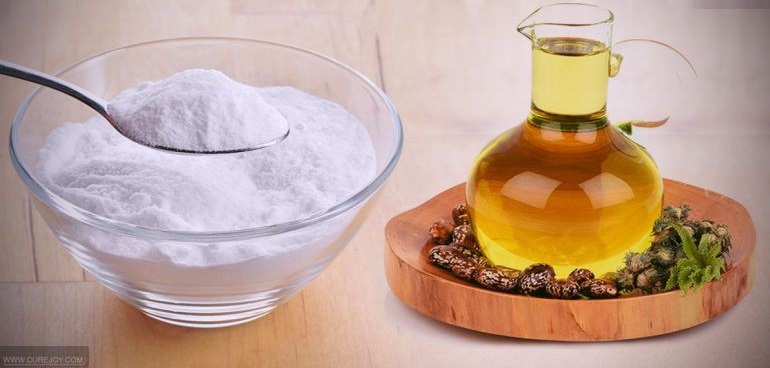
Apply a paste of vegetable oil, baking soda and washing powder (3 tablespoons of each component) to the stains. You should wait about 8 hours and then run a quick wash.
The latter method can easily clean curtains and towels. Yellowing will disappear, leaving them feeling fresh and soft. The key is to follow the proportions precisely; it's best to test the mixture on the reverse side of the item beforehand.

 Carefully pour the stain remover into the designated compartment. It's also important to follow other instructions for using the product; this is the only way to remove stains and yellowing from items. Adding the detergent to the wrong compartment or using too little will simply wash it out and render it ineffective. To ensure your washing machine gets the most out of your work, you need to find out which compartment is specifically designed for stain remover. Let's explore all the nuances in more detail.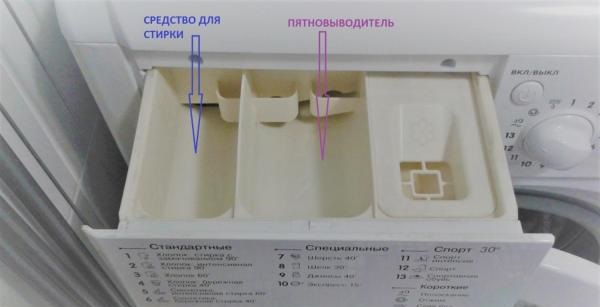














Add a comment