How to wash a Thinsulate jacket in a washing machine?
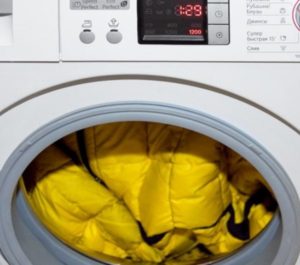
Outerwear with a Thinsulate lining retains heat very well, maintains its shape, is lightweight, and is durable. However, it requires careful care. Failure to follow washing instructions can ruin your favorite item. Let's learn how to machine wash a Thinsulate jacket and how to dry it to preserve its original appearance.
Is machine wash possible?
When washing a jacket with a Thinsulate lining for the first time, many homeowners are at a loss as to how to properly care for such clothing. After all, they need to decide whether the down jacket is machine-safe or better to hand-clean, what water temperature it should be, and whether it's safe to spin-dry. To be sure, it's important to read the care label, which usually includes all the care instructions.
If there is no information on the tag, or the information on the label is insufficient, then it is important to follow certain rules when loading the jacket into the washing machine:
Be sure to check that there are no foreign objects left in your pockets: keys, coins, checks, hairpins, etc.;
When a down jacket is heavily soiled, it is worth pre-treating the collar area, pockets and sleeves with a sponge and detergent;
If there are small holes or defects on the item, be sure to perform minor repairs before washing;
fasten the main zipper, buttons, and pocket locks;
a down jacket made of Thinsulate should be turned inside out before loading into the drum;
It is better to use high-quality gels and liquids for washing, developed specifically for synthetic materials;
It is prohibited to use any bleaches;
You should load one down jacket into the drum at a time; you should not fill the machine to the brim.
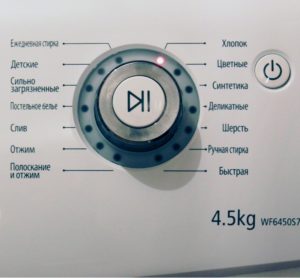
For washing a jacket made of Thinsulate, it is better to use a delicate or hand wash cycle; the “Synthetics” program is also allowed.
Proper washing involves a minimal spin cycle, at 300-400 rpm. It's best to skip it altogether. Use the "Extra Rinse" option to remove any detergent residue from the fabric fibers.
To prevent rust on buttons and zippers, it's best to wax the metal inserts before loading them into the drum. Taping them down with tape is also an option. Thinsulate does not clump during washing, but as a preventative measure, it is best to throw a couple of special balls into the drum. After the cycle is complete, remove the jacket from the washing machine and shake it gently. It is recommended to hang it to dry on a wide hanger.
We remove dirt in a traditional way
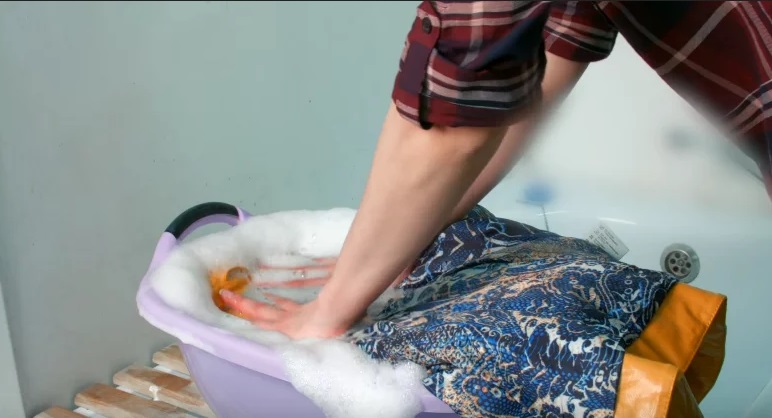
Hand washing is still easier to maintain the shape and appearance of Thinsulate outerwear than machine washing. The filling is thin and lightweight enough, so hand washing a jacket is easy. The procedure is as follows:
Prepare the down jacket in the same way as for machine washing (check the pockets, inspect the material for holes, turn the item inside out);
Fill the bathtub with warm water and dilute the detergent in it;
immerse the jacket in the soap solution, knead it to completely saturate the fabric;
If the item is heavily soiled, soak it for a couple of hours;
rub the dirty areas;
Rinse the product several times, constantly changing the water.
It is important to rinse your Thinsulate jacket thoroughly, otherwise stains may remain on the material.
You shouldn't twist the item too much; it's enough to lightly wring it out with your hands and hang it on a hanger above the bathtub for further drying.
Getting rid of excess moisture
Properly washing a synthetic-filled jacket is quite simple if you follow the recommendations provided. Once cleaning is complete, all that's left to do is dry the down jacket properly. Thinsulate outerwear dries quite quickly. The only thing to remember is to avoid placing the jacket on radiators or near heaters. Hang it on a hanger in a warm, well-ventilated area.
If you need to store your jacket until the next cold weather, you can simply hang it in a closet or vacuum-seal it without compressing it too much. Before wearing, shake the down jacket well to straighten it out. Thinsulate jackets can be ironed, but iron through the lining to avoid damaging the outer fabric.
Basic rules of care
Thinsulate outerwear is lightweight, durable, and retains heat well. This is why owners of garments with this technologically advanced and modern filling want to preserve the beneficial properties of the material for a long time.
Since this insulation is new, many homeowners don't know how to properly care for it. While everyone has long since learned how to wash down and synthetic items, many questions arise in this case. First of all, it is important to study the label - the jacket manufacturer indicates the basic rules for washing and drying the product on Thinsulate.
So, when washing outerwear with modern insulation, you should follow a number of recommendations:
the water temperature should not exceed 40°C, otherwise the product may lose its shape;
Before loading the jacket into the drum, be sure to remove any stubborn stains from the sleeves, collar, and pockets. This can be done with a sponge soaked in soapy water.
Be sure to turn the product inside out and remove any removable decorative elements and fur;
all zippers and buttons must be fastened;
It is better not to use dry powders, preference should be given to gels;
When washing automatically, be sure to select one of the delicate modes programmed in the intelligence;
Don't neglect the extra rinse option;
the soaking time of the item should not exceed 1-2 hours;
Spinning is permitted, but at a speed no higher than 400 rpm. It is better to remove excess water manually;
Drying should take place away from heat sources, in a well-ventilated room. The down jacket should be spread on hangers and hung on a drying rack or line.
There is no specific washing frequency for Thinsulate jackets; the item should be cleaned as it gets dirty.
In fact, the care instructions for Thinsulate outerwear are almost identical to those for washing synthetic materials. It's important to pay attention to the washing cycle, water temperature, and spin speed. If you follow the instructions, you'll be pleased with the results when machine washing your down jacket.

 Outerwear with a Thinsulate lining retains heat very well, maintains its shape, is lightweight, and is durable. However, it requires careful care. Failure to follow washing instructions can ruin your favorite item. Let's learn how to machine wash a Thinsulate jacket and how to dry it to preserve its original appearance.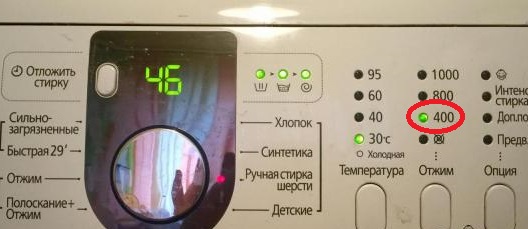

















Add a comment