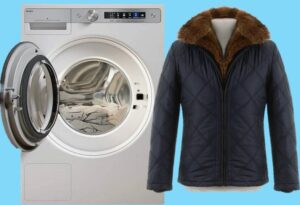
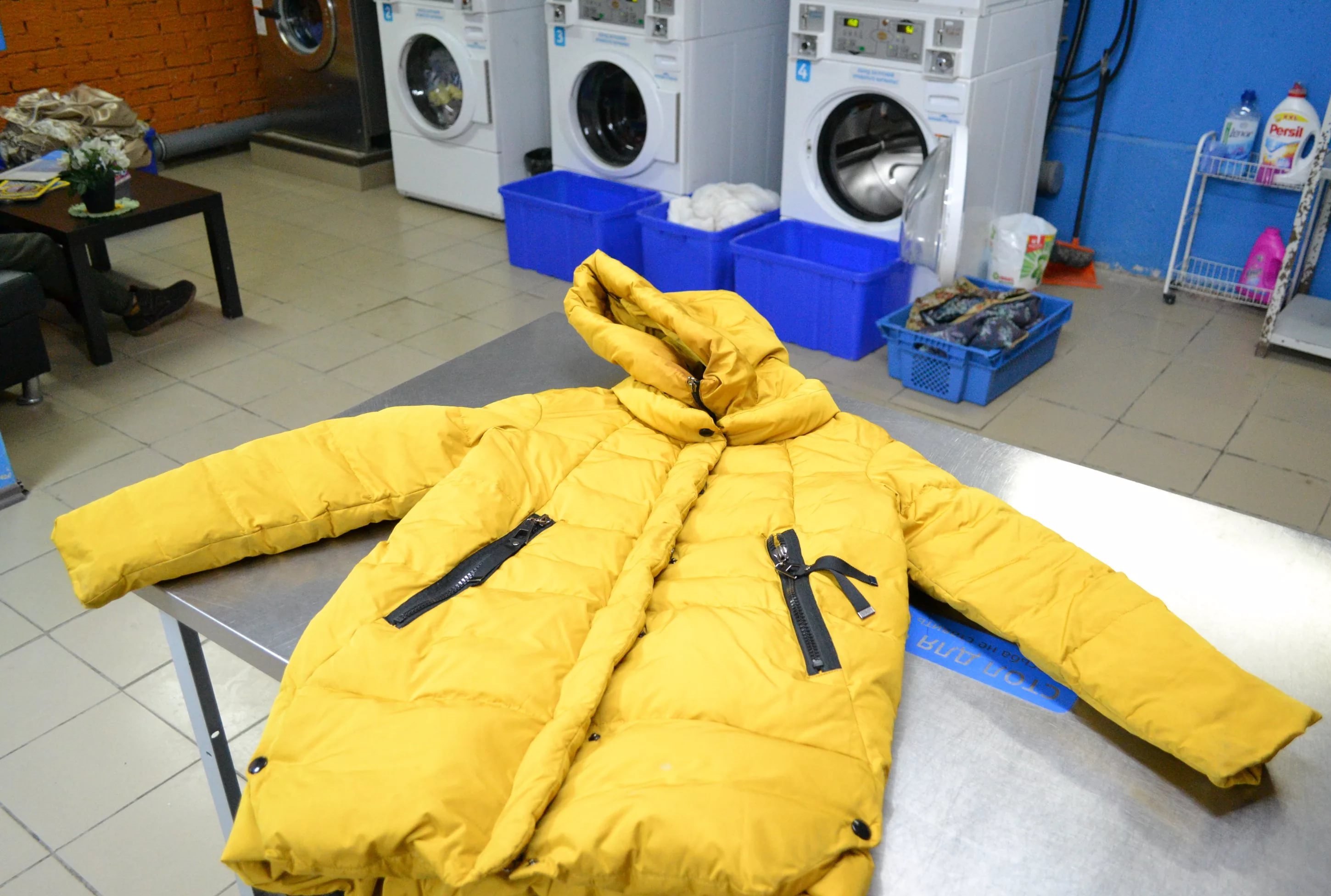
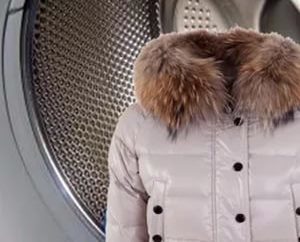
Buying a winter down jacket or coat made of camel wool carries a high risk, as it's difficult to care for. It's best if the item is made of 50% or less camel wool, as it can then be machine-washed. However, if the wool content is greater than 50%, it shouldn't be washed in a washing machine, nor even by hand. We'll explain how to properly care for such items.
Automatic washing
Don't rush to wash your wool clothes; first, carefully read the manufacturer's information, which can be found on the label. First of all, pay attention to the permissible type of washing, as well as the recommended temperature. Wool products can often be divided into two types.
If clothing is made from young camel wool, it should not be washed, as this could damage an expensive down jacket or coat. In this case, it is recommended to steam-treat the item exclusively.
When a relatively inexpensive item is made primarily from the down of an old animal, or contains synthetic additives, it can be cleaned using an automatic washing machine.
Once you've determined the type of clothing, you need to carefully prepare it for machine washing. What should you do?
If possible, remove the hood, as well as the fur trim on the sleeves and collar.
Remove any foreign objects from your pockets.
Remove all stains or at least treat them manually.
Fasten the item with a zipper or buttons.
This concludes the preliminary preparation. What should I do next to ensure that camel wool items are washed correctly?
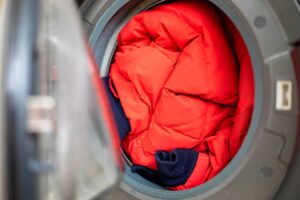
Do not place more than one item of clothing in the drum of the appliance, as other items of clothing should not interfere with the jacket or down jacket being able to move freely inside the washing machine.
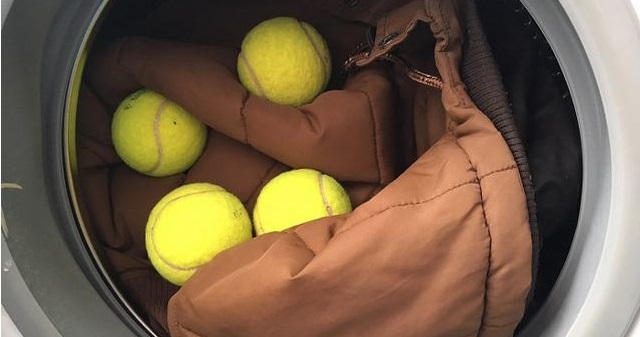
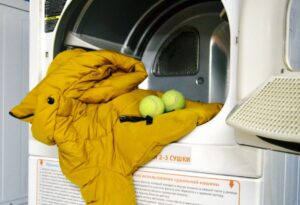
Be sure to place a few tennis balls or special balls in the drum. washing balls, which will prevent the fluff from accumulating into large clumps.
If you don't have tennis balls or similar items, you can use balls of thread, previously tied into several pairs of socks.
The washing temperature should be set at 30 degrees Celsius or even less.
The spin speed should be set to 600 rpm, but not more.
Finally, as a detergent, it is worth using liquid household chemicals intended for treating items made from delicate fabrics.
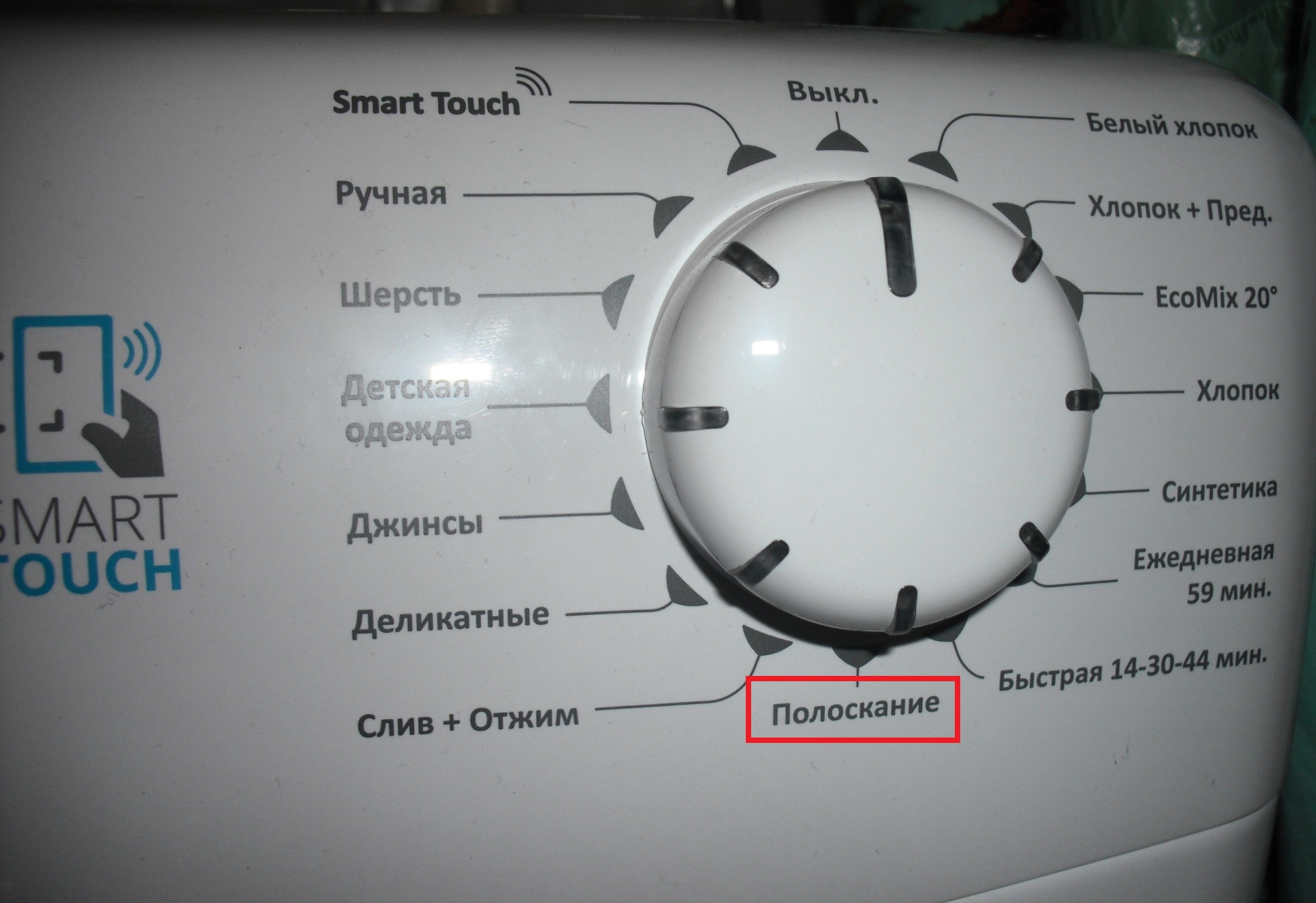
After the cycle is complete, it is best to run the rinse cycle again to remove any remaining detergent that may have penetrated the fabric and wool.
We'll do without a typewriter
If you're worried that even delicate washing cycles will damage your expensive camel hair garments, it's best to wash them yourself. In this case, you should also carefully read the information on the label to select the correct water temperature and detergent. After studying the label, you can begin cleaning.
First, fill a bathtub or a large basin with warm water, the temperature of which does not exceed 30 degrees Celsius.
Add liquid laundry detergent designed for cleaning wool and other delicate materials to the water.
Using a brush or sponge, gently clean the surface of the garment, paying particular attention to heavily soiled areas such as the collar, sleeves, pockets, and areas near fasteners.
After these procedures, rinse the item two or three times in clean water to remove any remaining household chemicals.
After washing, remove the item from the liquid, zip it up and hang it on a hanger.
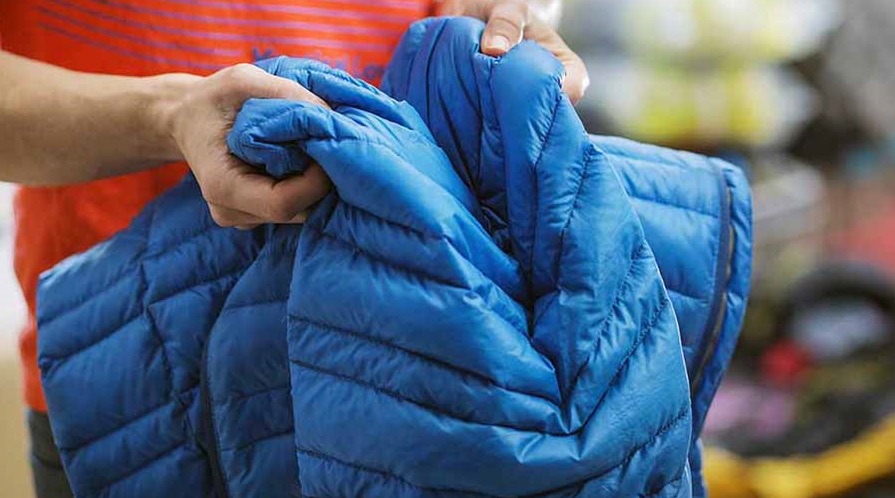
Remember that garments made from this type of wool should not be wrung out too hard. Therefore, while the jacket or down jacket is drying, you should shake the garment thoroughly at least a couple of times to distribute the down, which can form large clumps.
Preventing the appearance of multi-colored stains
Regardless of the type of washing, you should prevent color stains from forming on your garment. To do this, strictly follow these rules:
Do not soak camel wool garments before the main washing cycle.
Do not wash such an item in hot water – it should be heated to 30 degrees Celsius or less.
Use only liquid laundry detergents, as regular washing powder does not dissolve well in cold or warm water, which means it will leave streaks on your clothes.
Never skip the rinsing step, and even better, use this program several times.
Do not use fabric softeners for cleaning, as they are difficult to completely wash out of wool and down items.
If, even after following all the recommendations, color stains still remain on your wool jacket, don't worry. The situation can be corrected.
Yellow stains appearing indicate poor-quality filling and insufficient drying time. This problem can be resolved by rewashing.
If you notice any white stains, remove them with a damp cloth or running tap water. These could be caused by using too much laundry detergent or gel.
Finally, dark stains are usually caused by improper washing of the jacket's filling. This can be removed with laundry soap, which should first be worked into a strong lather, and then the stains should be treated with a sponge soaked in the lather.
If for some reason you are unable to remove the stains yourself, you should seek help from a dry cleaner.
As you can see, there's no need to avoid washing your clothes because of the risk of multicolored stains, as they're very easy to remove at home.
How to remove stubborn stains?
Another problem that can arise is the stains that sometimes appear on camel hair clothing. In this case, it is not recommended to immediately try to soak the item, since you first need to try to remove stubborn stains. This can be difficult to do, but it is possible.
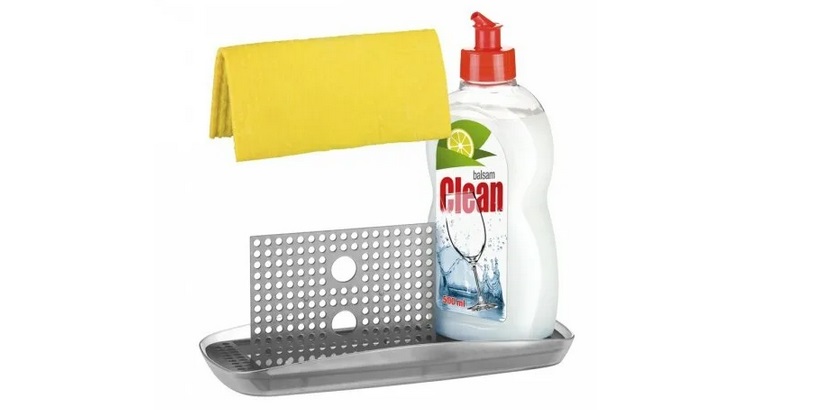
Dishwashing liquid. Take two tablespoons of liquid dishwashing detergent, dilute it in a container of warm water, and stir thoroughly. Apply the resulting solution to the stain with a soft brush or sponge, then let the item sit for about half an hour. Once the time is up, remove the soapy solution. This stain-fighting method is best for removing grease.
Purified gasoline. Dampen a cloth or rag with gasoline and then gently wipe the stained area of the garment. This method is effective for removing oil stains, but before using gasoline, test it on an inconspicuous area of the garment to ensure it won't damage the fabric.
Ammonia. A few drops of rubbing alcohol added to regular dish soap also works well. Apply this solution to a sponge and use it to treat the stain. Wait 5 minutes after applying the solution, then rinse with running water. This cleaning method is best for removing old, ingrained stains.
Don't hesitate to act immediately after spotting stains on your camel wool item. The sooner you begin cleaning, the easier it will be to remove.
What to do with the fur trim?
As for the fur trim, it's also possible to clean it safely, but you'll need to use different methods. We'll list the most effective ones.
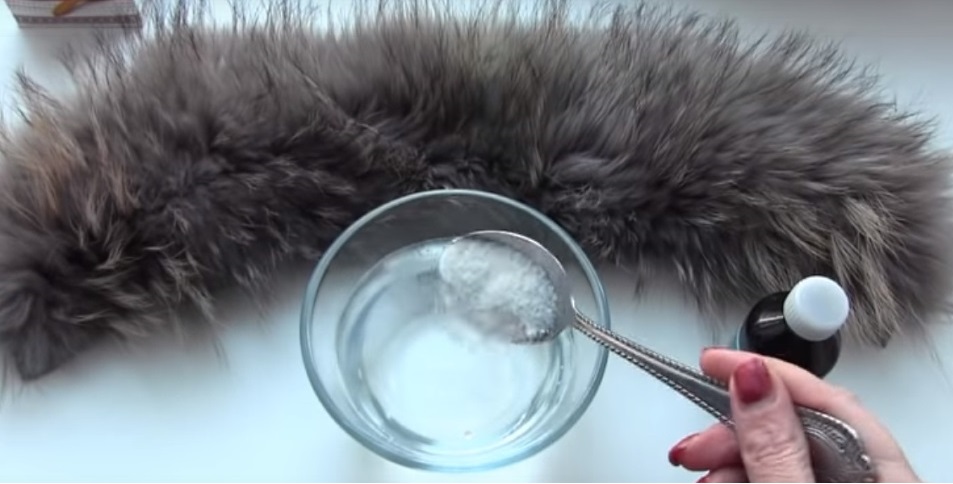
Soapy solution. If the fur trim can be removed from the garment, you can lather up some liquid laundry detergent or regular shampoo and then apply it to the fur trim. Then hang the trim on a clothesline or hanger to dry naturally. Once completely dry, gently comb it with a wide-tooth comb.
Do not dry the fur trim near heat sources, as this may damage the element.
Semolina. If the trim cannot be removed because it is sewn onto the garment, dry cleaning with semolina should be used. Rub the semolina into the fur, then comb it out with a wide-tooth comb. The key to this method is that semolina actively attracts dust and dirt, thus acting as a sorbent to clean the fur trim.
Using an automatic washing machine to clean natural fur is not recommended, as this procedure can completely ruin an expensive item. If you have no other choice and want to take the risk, follow these guidelines for cleaning fur in a "home helper":
Products made from natural fur can only be washed at a temperature of 30 degrees Celsius or less;
As a detergent, you can only use liquid household chemicals that are specially designed for treating wool and other delicate materials;
Natural fur should not be twisted or wrung out too much; instead, it should be dried naturally, away from direct sunlight and heat sources such as heaters and radiators.
Lay out your fur garment carefully after washing to prevent it from becoming deformed during drying.
How to remove moisture without damaging it?
Finally, here are some drying tips to help keep your item in perfect condition. Print them out or memorize them to avoid accidentally damaging your favorite camel wool item.
Do not dry these items in a washing machine or dryer. Aggressive drying cycles are not designed for these items.
Immediately after the work cycle, the jacket should be shaken out, buttoned up and hung on a hanger.
Avoid placing your down jacket on a flat towel, as the lack of air circulation will cause the down inside to develop an unpleasant odor that will be difficult to remove.
Never use a hair dryer to dry the pillow. This also applies to other heating devices, which can damage the filling.
Dry clothes only in well-ventilated areas out of direct sunlight.
To speed up drying, it is permissible to use a regular fan, which will improve ventilation of the room.
Turn the item inside out from time to time to gently shake it out and then return it to the hanger.
By following all clothing care recommendations, you can clean camel wool items flawlessly. However, if you suspect you might accidentally damage the item while washing or drying, it's best to err on the side of caution and take your favorite item to a dry cleaner.

 Buying a winter down jacket or coat made of camel wool carries a high risk, as it's difficult to care for. It's best if the item is made of 50% or less camel wool, as it can then be machine-washed. However, if the wool content is greater than 50%, it shouldn't be washed in a washing machine, nor even by hand. We'll explain how to properly care for such items.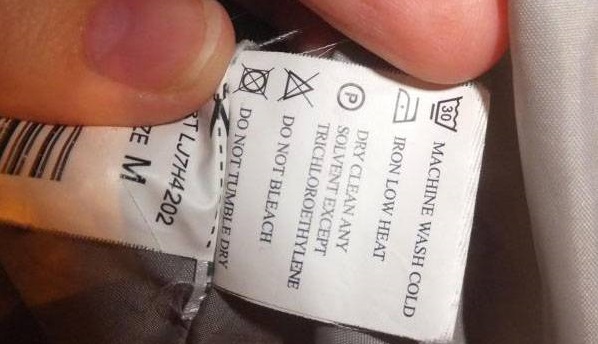















Add a comment