
How much citric acid is needed to clean a 5 kg washing machine?
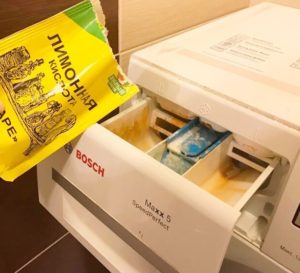 It's important to periodically clean the inside of the washing machine with special cleaning products. This will prevent limescale buildup on the parts. You can use commercially available household cleaning products or citric acid. Let's figure out how much citric acid is needed to clean a 5 kg washing machine.
How much citric acid should I add?
Adding too little lemon powder is equally harmful to your appliance. It's important to strictly adhere to the recommended dosage, which is determined based on the capacity of your washing machine's drum. To clean a 5 kg washing machine you will need approximately 100 grams of citric acid.
It's important to stop the machine with water in it during the cycle. This allows the heating element and other components to soak in the solution. Therefore, it's important to select the appropriate wash program. Let's learn how to properly clean a washing machine using citric acid.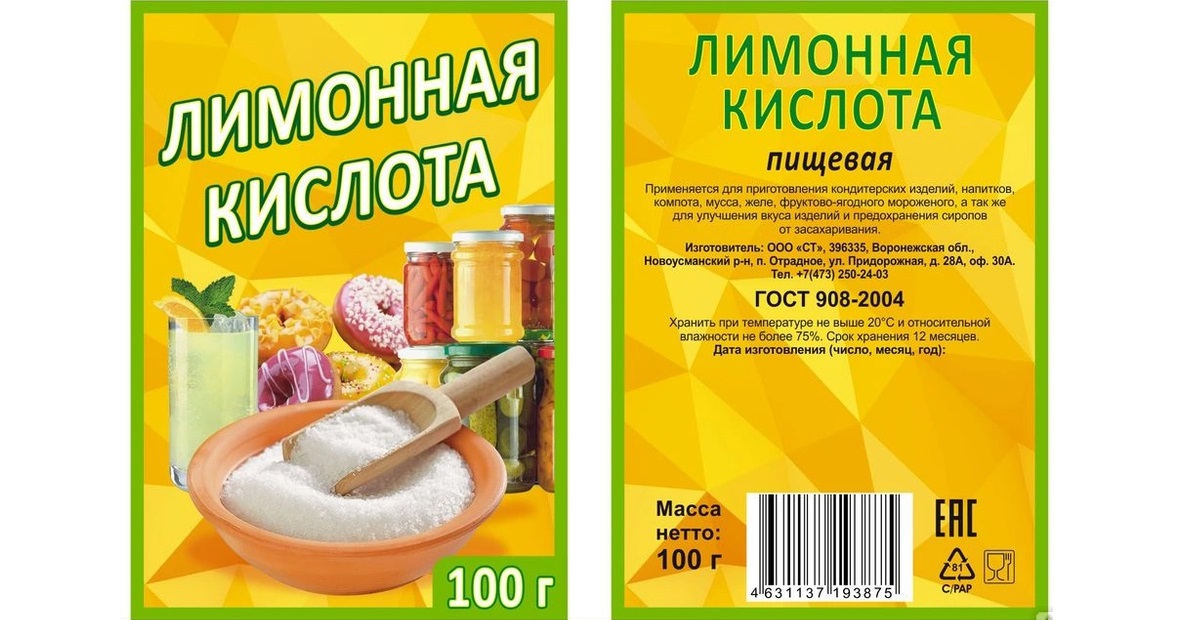
Cleaning instructions
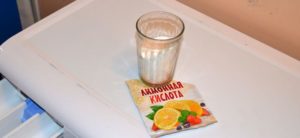
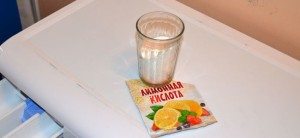
Cleaning your washing machine won't take much time, effort, or money. To clean a 5 kg washing machine, you only need two 50-gram packets of citric acid and a dry cloth. Follow these steps:
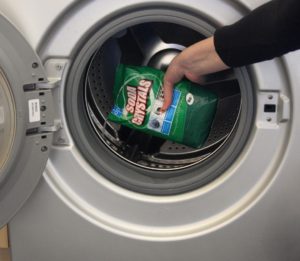
- Make sure there's no laundry in the washing machine drum. If the item is rinsed in the citric acid solution, it will lose its color.
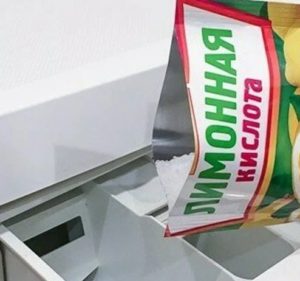
- Pour 80-100 grams of lemon powder into the detergent dispenser. You can also add the lemon directly into the drum, but this will also clean the drawer and outlet.
- Select a wash cycle that includes a rinse cycle. You won't need a spin cycle, so it's best to disable this feature if it's included in the cycle.
If cleaning is carried out regularly and the scale layer is insignificant, it is enough for the water to warm up to 60°C during washing; if the machine has not been washed for a long time, the temperature is set to 90°C.
- check that the hatch door is tightly closed and the detergent container is inserted all the way;
- Start the cycle by pressing the Start button.
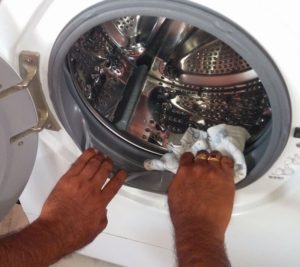
After the program has finished, open the door and bend back the door seal. If there are any limescale deposits, remove them and wipe the drum surface and rubber seals with a dry cloth. It's also important to unscrew the debris filter and drain any remaining water from the drain system. Be sure to dry the detergent drawer.
Don't be alarmed if you see chunks of limescale in the drum during the wash cycle. This is normal, meaning the lemon juice has done its job of removing the limescale from the inside of the washing machine. It is recommended to clean the automatic machine with citric acid once every 4 months. If the water in your region is very hard, you should flush your appliance every 30 cycles. If your tap water is low in hardness, you can flush it every six months.
Is lemon harmful?
Citric acid has long been proven to effectively clean the internal components of a washing machine and dissolve limescale. But how safe is this folk remedy for machine parts? In fact, when used in the correct dosage, citric acid poses no harm to your appliance.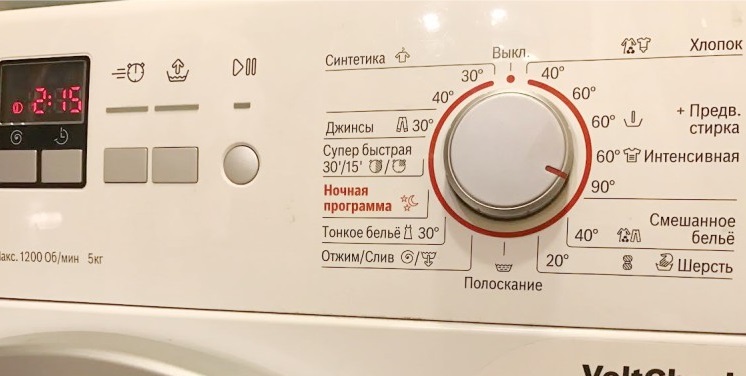
Of course, adding too much lemon powder to your washing machine and running a wash cycle that requires heating the water to 90°C can have unpleasant consequences. In this case, there's a risk that the acid will damage rubber seals and plastic parts. Limescale will come off with chunks of rubber in it.
Citric acid also works in cold water; heating is necessary to speed up the cleaning process, so it is optimal to start the wash cycle at a temperature of 60°C.
Many housewives who regularly rinse their washing machines find citric acid to be superior to other cleaning products and prefer it. The reason is simple: citric acid is effective, safe for humans, hypoallergenic, unlike household chemicals, easy to rinse out, and costs pennies.
There's no need to clean your washing machine with citric acid too often. Two to three times a year, as recommended by experts, is sufficient. The benefits of citric acid lie in its sensible use.
Substitutes for citric acid
Are there any other products that combat scale as effectively as citric acid? Today, store shelves are filled with a variety of similarly effective products, most of which are easily grouped under the general name "Antinakipine." When using household cleaning products in your washing machine, follow the instructions on the product packaging.
It is essential to follow the dosage and procedure for using the special anti-scale solution; overdoing it can cause significant damage to your washing machine, causing it to break down.
Many people wonder whether it's acceptable to replace lemon powder with freshly squeezed lemon juice. This isn't recommended, as it won't achieve the desired effect because the acid concentration in lemon juice is much lower. Using vinegar instead of citric acid is also not recommended, as it can damage certain parts of the machine.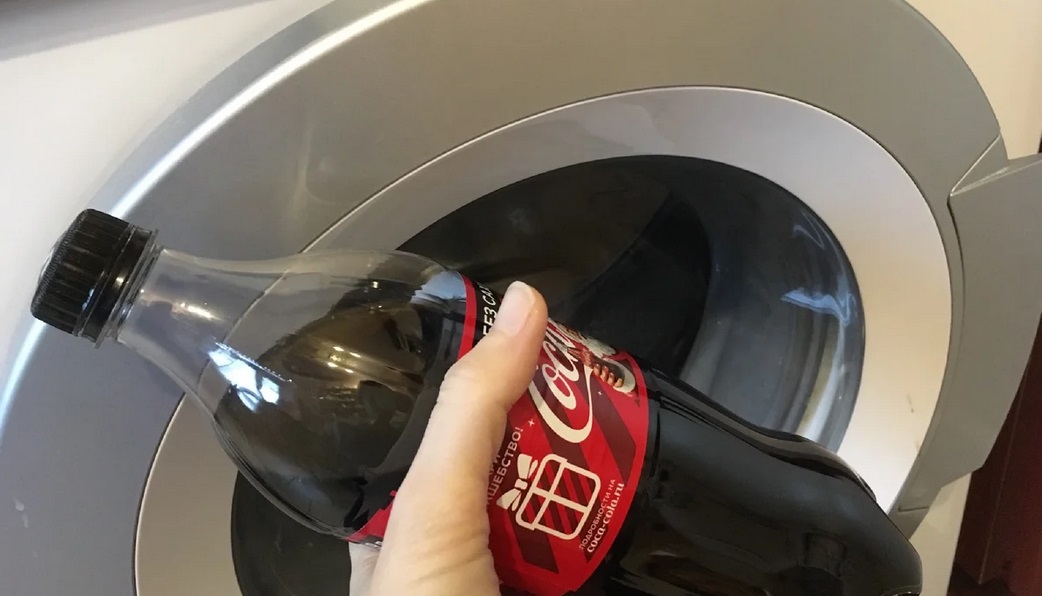
Some users have an unconventional way to clean their washing machine: with Coca-Cola. To do this, pour 3 liters of the drink into the drum and run a wash cycle with water heated to 60°C. This will remove any trace of limescale.
To prevent the buildup of scale on the internal parts of your washing machine from becoming critical, it's important to follow a few rules when using it. Experts recommend:
- Use water softeners if your water is too hard. Some washing machine detergents already contain water softening components;
- do not exceed the dosage of detergents recommended by the manufacturer;
- Do not machine wash worn-out items. The fabric scraps will settle on the machine parts, forming a film.
- select washing programs that require water heating to no more than 75°C;
- Be sure to ventilate the machine after the cycle is complete. Leave the door open, and remove the detergent drawer and allow it to dry. Wipe the drum surface with a dry cloth.
So, cleaning the inside of your washing machine with citric acid is very simple. Simply pour the required amount of citric acid into the detergent dispenser and run the program. The washing machine will do the rest. Be sure to clean your machine regularly to prevent scale buildup. It's also important to properly care for your "home helper" to prevent scale buildup.
Interesting:
3 reader comments
Add a comment
Headings
Washing machine repair




For buyers




For users


Dishwasher




I've been using citric acid for years now, and I don't need anything else. I'm happy.
Thanks for the advice
Lemon juice is irreplaceable; I use it to flush radiators in my car heater and gas water heater. The only funny thing was the phrase "costs pennies" 🙂