Washing machine tank material: plastic, stainless steel, etc.
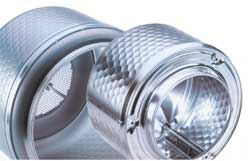
The drum is one of the most important parts of the washing machine. Often, malfunctions of this type of household appliance are related to this part in one way or another. Sometimes, a foreign object gets into the drum, creating unpleasant, loud noises when the drum rotates.
Sometimes this part jams the drum. Cracks also sometimes appear in the tub. There are also other problems associated with this part of the washing machine.
The method of securing the tank in various washing machine models is similar. Springs and shock absorbers are used to create a more or less flexible mounting. Counterweights are used to dampen excess vibration. These counterweights are heavy concrete blocks.
Modern consumers may be quite knowledgeable about washing machines. However, they still believe rumors that seem to come from nowhere.
For example, there's a common misconception that the drum lock in top-loading machines is more secure than in front-loading machines. Unfortunately, or fortunately, this isn't true. In fact, the mounting principle in these types of appliances is roughly the same. Therefore, when purchasing a washing machine, you should consider other considerations.
Materials
It's quite important to consider the material your washing machine's tank is made of. There are different types of material used to create this important component. Let's take a look:
Enameled metal. This type of material uses steel protected by a special type of enamel. It's quite durable during washing, but not immune to damage from various impacts. If the enamel is accidentally damaged, the drum may become unusable within a short time. Without the protective layer, it will begin to rust. Its surface may develop cracks, which will spread and widen over time. Eventually, the drum may leak and need to be replaced. Fortunately, these types of drums are no longer found on modern washing machine models.
Plastic. We also include polyplex and other polymeric materials in this category. Many washing machine manufacturers have developed special polymeric materials. These materials may have different names. Manufacturers give different names to their products. So, don't be surprised when, when you ask, "What is the drum of this washing machine made of?", the salesperson at the store uses unfamiliar and incomprehensible words. Most polymeric materials help reduce drum noise or save on electricity consumption. These polymeric materials are relatively durable, lightweight, and waterproof.
Stainless steel. This material is considered a classic. It has been used to create washing machine tubs for quite some time. Stainless steel withstands water well and is very durable. These tubs are typically somewhat noisier than those made of plastic. They are also heavier. This material is extremely reliable and will likely outlast the rest of the washing machine. However, more and more manufacturers are opting for polymeric materials. Perhaps this is why machines with stainless steel tubs are usually more affordable.
But there are other important points!
Other important qualities of a washing machine drum
Before purchasing a new washing machine, you also need to find out how much laundry you can wash at one time. It's measured in kilograms. If you have a large family and need to wash a lot of clothes, it's best to buy a machine that can wash at least 6 kilograms at a time.
Quite often, special coatings are used on the surface of the tank. These coatings have benefits. For example, they can disinfect water.
The most popular materials for making tanks today are plastic, various polymers, and stainless steel. Both of these materials are quite acceptable and can be used for quite a long time. We've already described their advantages above. However, the following disadvantages are worth noting:
Stainless steel is noisier and heavier than plastic.
Most types of plastic are more brittle and cannot withstand the same mechanical stress that stainless steel can.
Plastic and various polymers are gradually replacing stainless steel. And we may soon no longer find washing machines with tanks made of these materials. But this isn't particularly alarming. After all, polymer materials are also evolving, and it's possible that polymer developments will soon be used that will surpass metal in every respect.

 The drum is one of the most important parts of the washing machine. Often, malfunctions of this type of household appliance are related to this part in one way or another. Sometimes, a foreign object gets into the drum, creating unpleasant, loud noises when the drum rotates.
 Before purchasing a new washing machine, you also need to find out how much laundry you can wash at one time. It's measured in kilograms. If you have a large family and need to wash a lot of clothes, it's best to buy a machine that can wash at least 6 kilograms at a time.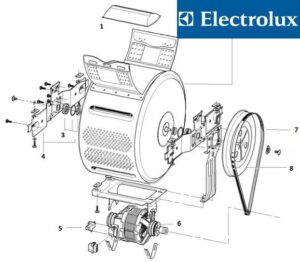



















Add a comment