
Drying the membrane in a tumble dryer
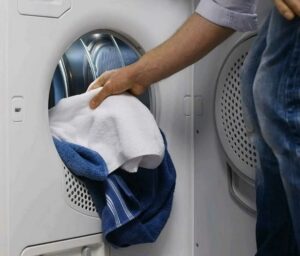
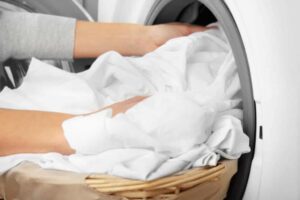
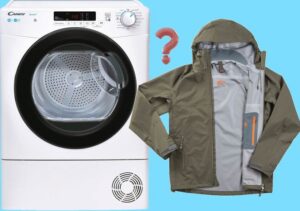 Household appliances are becoming more sophisticated every day, so new dryers can handle even items that were previously forbidden to dry in a washing machine. Given the gentle cycles of these machines, users sometimes even try to dry membrane fabrics in a dryer. Let's find out whether this is possible and whether it's safe to dry membrane fabrics in an automatic "home helper."
How to remove moisture from the membrane correctly
Today's smart home appliances can gradually increase the drying temperature and better control it, making it possible to dry even wool and other delicate items in the machine. However, drying the membrane in a dryer is still not recommended, as this poses too high a risk to the clothing.
This is because the item can be damaged by both high temperatures and by being overheated in a confined space with no air flow. Therefore, after just a few drying cycles on the gentlest settings, a membrane fabric item will still lose its properties. Therefore, even if the machine gradually increases the temperature, ultimately not exceeding 40 degrees Celsius, the garment can still be damaged by the automatic dryer cycle.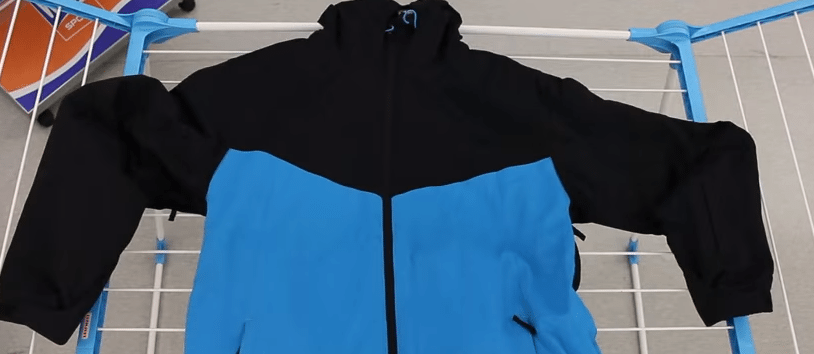
The membrane should be dried using the traditional method, placing it in a shaded, well-ventilated area away from heaters, radiators, hot appliances, and other heat sources. If the membrane fabric is a jacket or other large item, it's best not to hang it directly on a hanger or clothesline. Instead, lay it out carefully on a horizontal surface to dry naturally. Only when it's dry and still slightly damp can you move it to a hanger.
Ironing the membrane is neither recommended nor advisable, as membrane fabric will naturally straighten out if dried properly. After drying completely, the item can be treated with a special impregnation to improve its protective properties and extend its lifespan.
Are you washing something like this correctly?
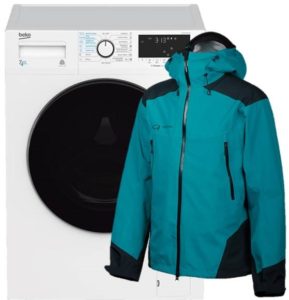
One of the main advantages of membrane jackets is that they are safe to clean in an automatic washing machine. However, this is only true if the user has correctly configured the work cycle and followed all expert recommendations. Step-by-step instructions for washing the membrane in a washing machine are as follows:
- Clean all local stains and other contaminated areas in advance;
- Place the clothes carefully in the drum;
Do not try to load all the membrane fabric at once, as it should take up approximately two-thirds of the drum, otherwise it will overload.
- add washing gel to the powder dispenser or place the gel capsule directly into the drum;
- Set the program for synthetics, wool, or hand or delicates. If your washing machine has a separate cycle for membrane fabrics, select it.
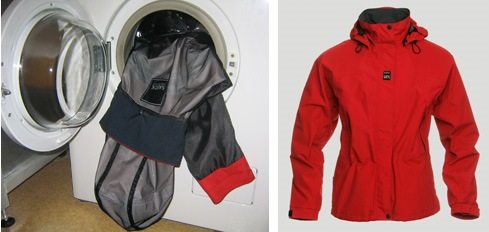
- make sure that the maximum water temperature does not exceed 40 degrees Celsius;
- also check the spin cycle, which should be minimal or turned off completely;
- Finally, activate the extra rinse function.
Once these settings are set, all that's left to do is start your "home helper" and wait for the wash cycle to complete. It typically runs at a temperature of 20-40 degrees Celsius and lasts from one to two hours, depending on the washing machine model. Don't leave the jacket in the drum after the cycle is complete—it's best to remove it immediately, spin it lightly, and wrap it in a dry cotton cloth or terry towel. This will prevent it from becoming damaged by an unpleasant musty odor and heavy creases, and will also quickly remove excess moisture before drying thoroughly.
If machine washing isn't possible, you'll have to clean the jacket by hand. To do this, use a large container of water and detergent and soak the item for about half an hour. Once the time has passed, gently scrub the soiled areas, then rinse the jacket thoroughly. Don't wring it out after hand washing—simply hang the item on a hanger or clothesline to allow the liquid to drain freely.
Recommendations from experts
Experts advise against washing membrane clothing too often. The more often it is processed in a “home assistant”, the greater the chance that the fabric will lose its beneficial properties. Washing once or twice a year is ideal. Even better, don't wash the item at all. So, if your winter jacket or ski kit hasn't acquired any stubborn stains over the season, simply dust it and gently wipe it with a damp cloth or rag.
Unfortunately, it's not always possible to keep items in perfect condition. Inclement weather, intense physical activity, and manufacturing defects all significantly impact the cleanliness of an item. Therefore, if an item becomes soiled and requires washing and drying, it's important to follow a few rules for treating the membrane.
- Please read the clothing label carefully for all washing and drying instructions for the membrane.
- If your washing machine does not have a special cycle for membrane fabric, you should select the hand wash, delicate, synthetic, or wool cycle.
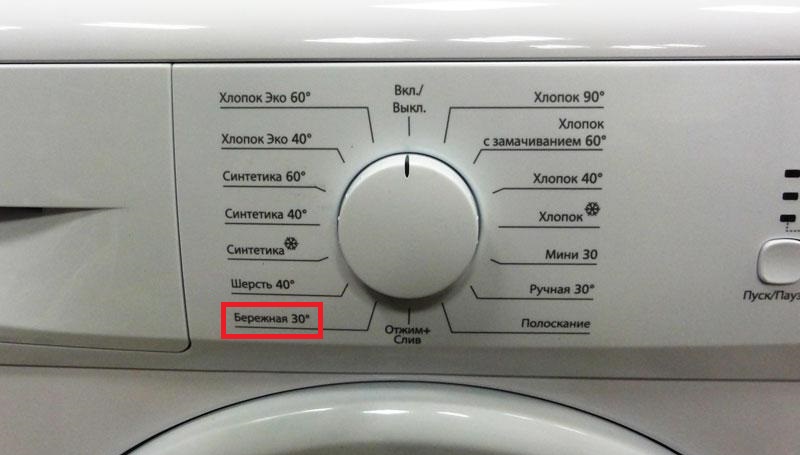
- Be sure to turn off the spin cycle or set it to the minimum level.
- After washing, dry membrane items naturally by hanging them in a well-ventilated area away from heat sources, or in the fresh air, but not in direct sunlight.
- For washing, use only liquid detergents with a gentle composition, as powders and granules can damage the fabric.
- Rinse the items thoroughly to prevent household chemicals from leaving white streaks and stains on the clothes.
- Wash jackets and other membrane items no more than 1-2 times a year to keep them in good condition.
As an alternative to washing in a household appliance, you can choose dry cleaning.
- It's better to use a special impregnation than to increase the number of washes per season. This won't damage the garment, but will only add more water-repellent properties and better protection against dirt.
Therefore, caring for winter jackets, ski suits, and other clothing made from membrane fabric is not difficult, but only if you follow the recommendations of specialists.
Interesting:

Readers' comments
Headings
Washing machine repair




For buyers




For users


Dishwasher




Add a comment