
Why is there a lot of foam in the dishwasher?
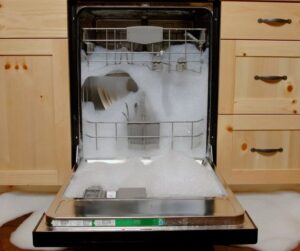
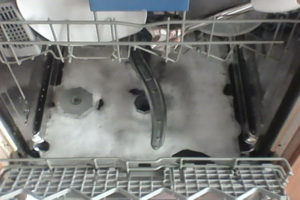
 When everything is running smoothly, the dishwasher should only contain clean dishes after the program ends. Sometimes, when opening the door, housewives notice a large amount of foam inside. This discovery is frustrating, as the cutlery has to be rewashed.
Why does my dishwasher produce so much foam? What should I do if I notice a buildup of suds? What can I do to prevent a recurrence? Let's explore the nuances.
Initial actions
What should a homeowner do if foam starts leaking from under the dishwasher door while the appliance is still running? Never let the situation slide. If you notice a problem, you must:
- stop the wash cycle;
- turn off the machine using the button and unplug the power cord from the network;
- open the door;
- remove cutlery from the bin;
- scoop out water and foam from the machine;
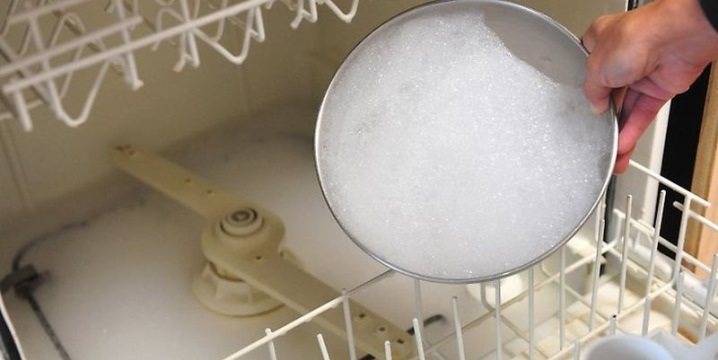
- wash the walls of the chamber with a clean wet cloth;
- Wipe the inside of the bunker dry.
There will likely be some soapy water left in the machine after this treatment, as it's very difficult to completely remove it from the base and hoses. Therefore, after wiping the walls dry, pour half a cup of vinegar and 3 tablespoons of salt directly into the bottom of the dishwasher.
Then run the shortest wash cycle. Observe the machine and check to see if foaming continues. If there are still a lot of bubbles, run the machine again. Continue washing until the dishwasher is completely clean.
Obvious reasons for foam formation
Normally, a dishwasher should be clean after completing a cycle. However, users occasionally encounter excessive foaming. A large amount of foam most often indicates a violation of the operating rules of the equipment, rather than a malfunction.
Often, increased foaming is caused by a clogged debris filter.
One of the basic rules for using a dishwasher is to remove any food debris before loading it into the dishwasher. Loading dishes with a layer of grease will eventually clog the waste basket. Water will have difficulty draining through the holes, and detergent will remain trapped inside until the wash cycle is complete.
What else can cause increased foaming?
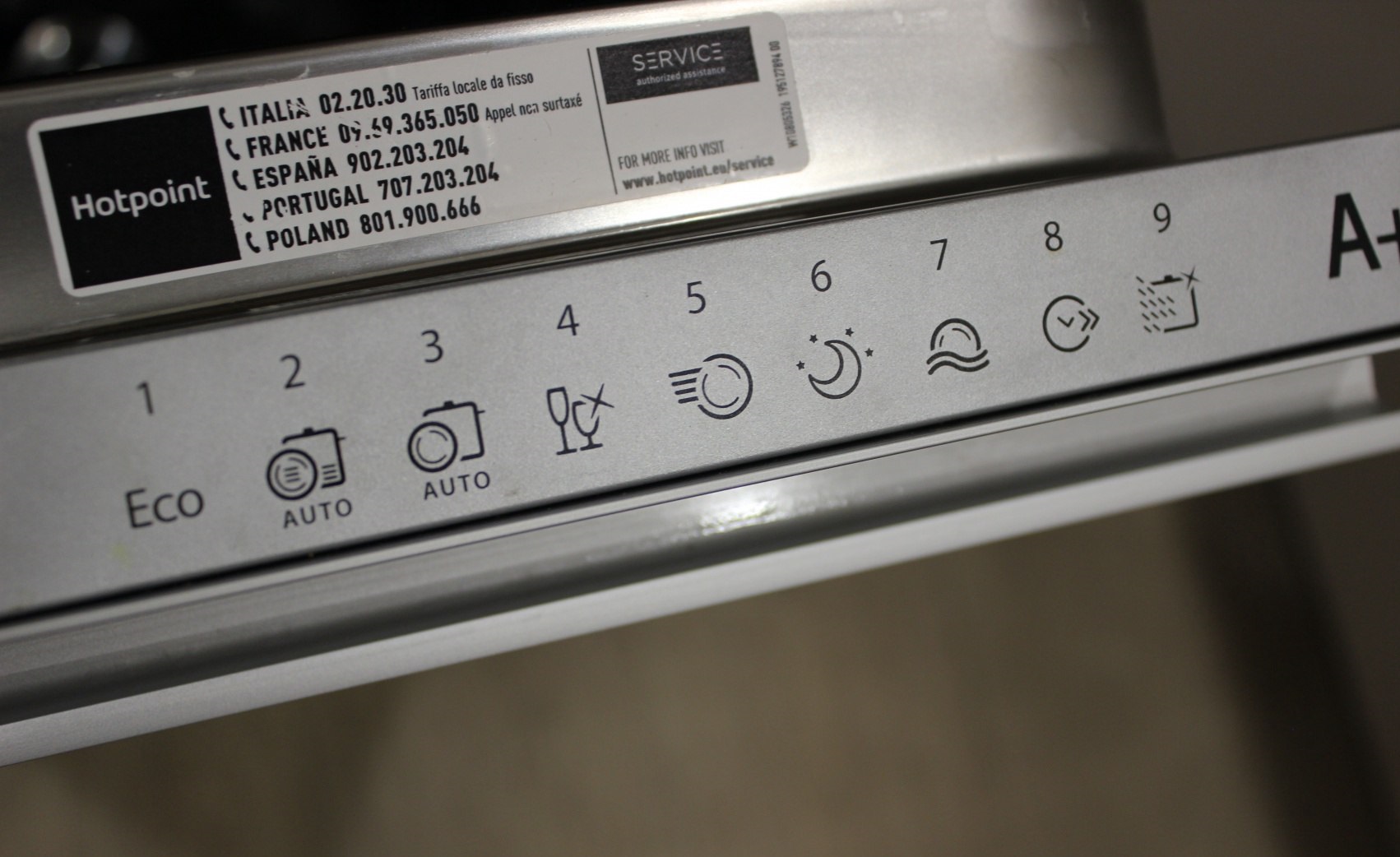
- Incorrect washing cycle settings. A standard dishwasher can accommodate capsules, tablets, and powder detergents. They have different structures; some dissolve in water faster than others. Therefore, when choosing a program, it's important to consider the form of the detergent you're using.
- Food residue on cutlery. Before loading, clean cutlery with a sponge or damp cloth. Certain foods, such as eggs, milk, kefir, and pieces of dough, foam excessively when exposed to water.
- Poor-quality detergents. Experts recommend against purchasing dishwasher detergents that are too cheap. Also, avoid using hand-washing gel detergents in the dishwasher's drawer. This can cause excessive foaming.
Foam will build up even during the rinse phase if the detergent dissolves unevenly. For example, a compressed tablet takes longer to disperse than granules. And if the settings aren't adjusted, the capsule will continue to dissolve throughout the entire cycle, right up until the end of the program.
We eliminate the problems that caused the foam to appear
In the vast majority of cases, foam in the hopper is not a sign of any serious problems. Any homeowner can solve this problem. The solution will depend on the specific situation. We'll examine each possible cause and explain how to fix it.
When increased foaming is caused by a clogged filter, the following steps must be taken:
- unplug the dishwasher;
- open the door of the working chamber;
- remove the dish baskets from the bin;
- unscrew the filter element together with the mesh located behind it;
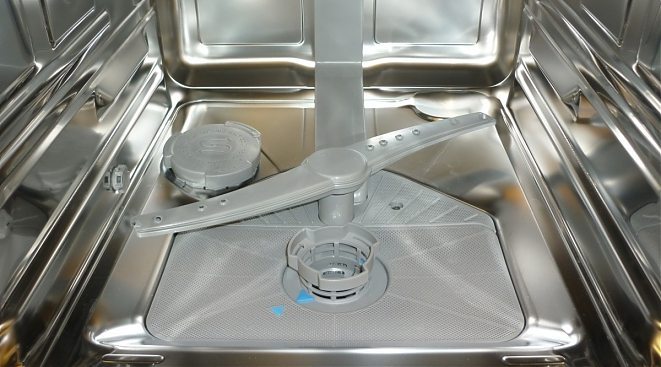
- Rinse the filter and mesh under running water, remove any dirt using a brush or sponge;
- install the elements back in place.
Grease, small debris, and food particles settle in the filter. If you don't scrape off any food residue from your dishes before loading them into the dishwasher, the strainer will become clogged very quickly. The circulation pump will have difficulty pumping water, as it will have difficulty flowing through the holes. Therefore, foam will remain in the tank even during the rinsing stage.
For preventative purposes, it is recommended to clean the dishwasher filter at least once every 2 months.
If you recently switched from powdered detergent to capsules, this could be the problem. Sometimes the cycle time is shorter than the tablet needs to fully dissolve. To correct this, you'll need to adjust the cycle settings on the control panel.
Most dishwashers allow you to manually adjust the wash and rinse times. Try setting a longer cycle and observe how the machine operates. Adjusting the settings should resolve the issue.
Some dishwashers can automatically detect the detergent loaded and adjust the program settings. On some models, the user can specify whether to use powder or tablets. Based on this, the appliance starts the appropriate cycle.
Sometimes excessive foaming is caused by foods high in protein, such as cottage cheese, eggs, dough, etc. To prevent this, it's important to remove any food residue from the dishes beforehand. To resolve the problem, you'll need to manually clean the machine's chamber.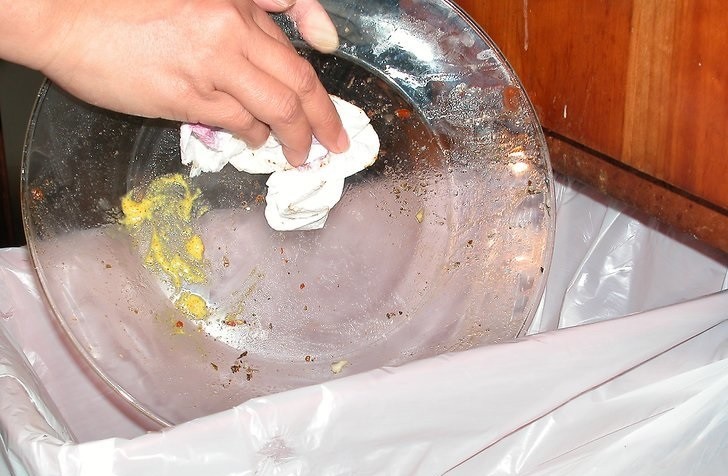
Excessive foam in the dishwasher is caused by using low-quality or inappropriate detergents. For example, if the special detergent or capsules run out, users simply pour regular gel like Fairy into the dishwasher. This causes foam to build up in large quantities.
To fix the problem, you'll need to clean the inside of the machine. Wipe the walls and base of the washing chamber with a damp cloth. Be sure to also rinse the detergent drawer. Afterward, run a "blank" cycle. If there's still a lot of foam, repeat the procedure.
Interesting:




Readers' comments
Headings
Washing machine repair




For buyers




For users


Dishwasher




Add a comment