
What power stabilizer is needed for a washing machine?
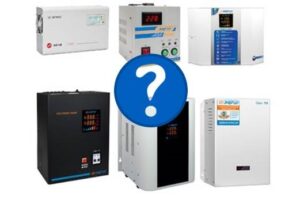
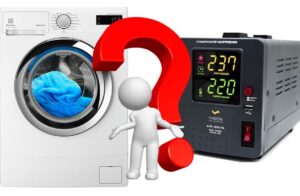 Washing machine operating instructions always include a section on a voltage stabilizer. This device balances the current supplied to the circuit breaker, protecting sensitive electronics from failure and damage. If your apartment experiences frequent power surges, threatening your appliances, it's best to protect yourself with a reliable voltage stabilizer. To ensure safe connection of the circuit breaker, it's essential to select the right protective equipment. Let's look at the required voltage stabilizer power for a washing machine and what else to consider.
Is it really necessary?
A voltage stabilizer is certainly a useful device, but not everyone can afford one due to its high cost and lack of space. However, in some rooms, it is necessary to install one, as constant power surges can cause equipment damage, even fires. You can determine whether a compensator is needed in an apartment by testing:
- take a multimeter;
- turn on the tester in voltmeter mode (on imported multimeters this function is marked as “True RMS”);
- measure the voltage readings in the electrical network 3-4 times a day (necessarily in the morning and evening, when most household appliances are connected to the line);
- continue measurements for 3-5 days;
- evaluate the recorded values.
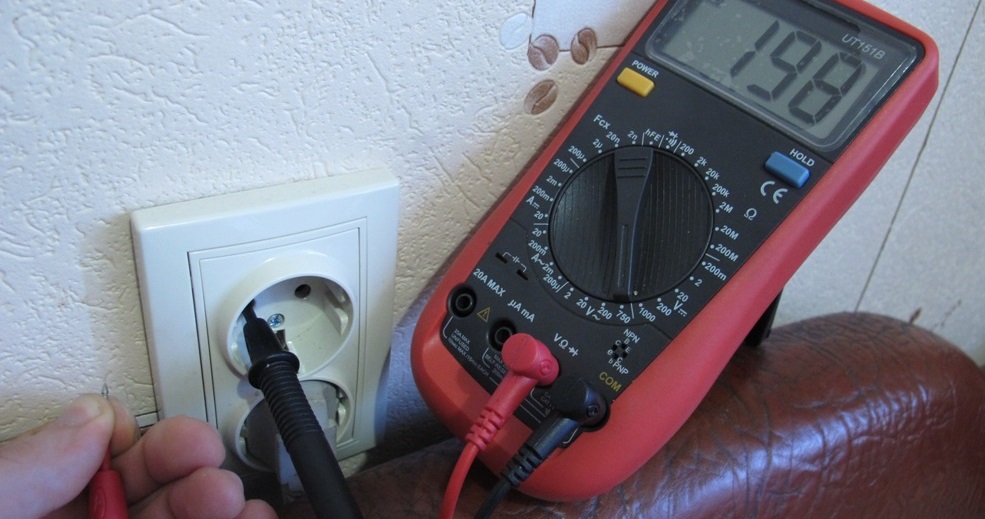
If the experiment reveals that the voltage in the electrical network fluctuates between 205-235V, there's no need to worry. In this case, the likelihood of a surge is minimal, so the stabilizer is purchased solely for the residents' peace of mind. However, if the home uses expensive equipment or equipment that is extremely sensitive to current surges, then "insurance" would be a good idea.
If voltage surges of 187-242V are detected in your home's electrical network, connecting equipment without a stabilizer is unsafe!
If voltage fluctuations are -10% or +7% of the 220V norm, that is, within the range of 198-235V, it is better to be on the safe side. It is recommended to purchase a stabilizer for all equipment, including the washing machine. With fluctuations of -15% and +10%, which corresponds to 187-242V, operating household appliances without a stabilizer is dangerous. This type of power supply is considered critical and risky – there's a high risk of appliances burning out without protection. It's best to install a compensator as soon as possible.
How to determine the power of a device?
You don't have to buy a stabilizer just for your washing machine. It's more reliable to use one to protect all your home appliances, including your TV, water heater, and refrigerator. The key is to choose the right stabilizer wisely and buy one with sufficient power. A stabilizer's power is the device's key technical parameter. It determines whether it can handle all the appliances connected to the power grid. But you don't need to buy the most expensive device; simply calculate the load you have in your home.
The useful power of the stabilizer must be equal to or greater than the total power of all devices and equipment simultaneously connected to the electrical network!
The required power of the stabilizer is calculated as follows:
- we determine how many devices are simultaneously connected to the network, and therefore to the stabilizer;
- We take the instructions for each device and find the power it consumes in kW;
- we add up all the power indicators;
- we count off 20-25% from the resulting number (for example, 6.77*20%);
- we sum up the total power and the percentage “reserve” (for example, 6.77+6.77*20%).
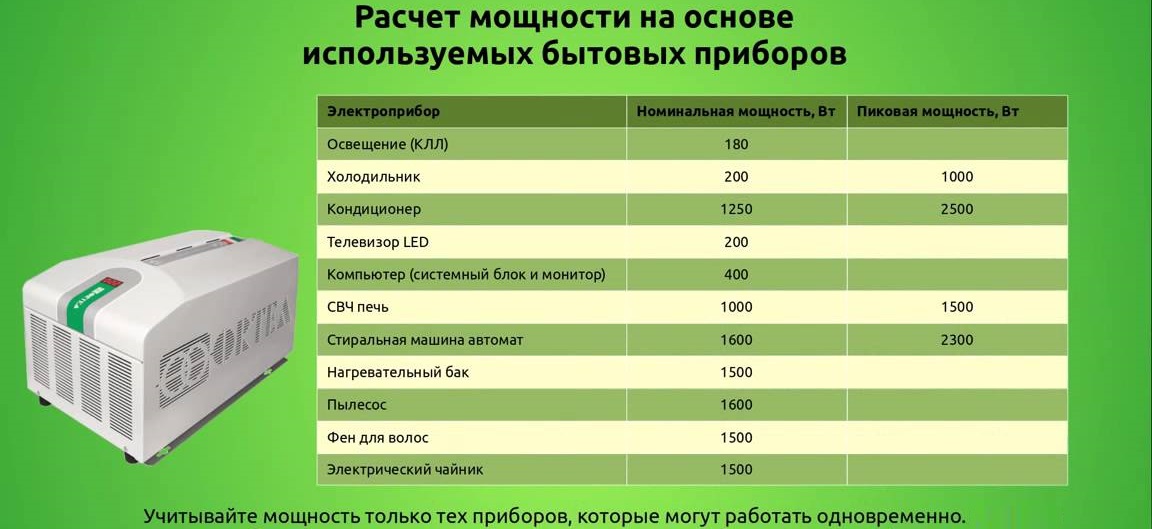
The final figure is the desired power. There's no point in purchasing a stabilizer with a value lower than this, as the device won't be able to handle the overall load or compensate for voltage fluctuations. To ensure trouble-free operation of household appliances, it is necessary to select a unit with a value rounded up or higher.
In addition to power, it's worth evaluating other performance characteristics of the stabilizer. One of these is the number of phases. This value should match the type of home electrical system indicated on the electricity meter. Most electrical panels assume single-phase wiring, but sometimes three-phase lines are used. In the latter case, you'll need to purchase a three-phase compensator.
When choosing a voltage stabilizer for a washing machine, consider its response speed to voltage fluctuations and the accuracy of its equalization. The device's efficiency and its protection against short circuits, overheating, and overload are also assessed. Don't forget about the dimensions, installation type, and the presence of cooling.
Interesting:
Readers' comments
Headings
Washing machine repair




For buyers




For users


Dishwasher




Add a comment