
What is the power of a clothes dryer in kW?
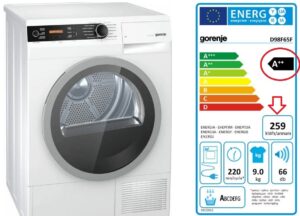 Many apartment building residents refuse to use dryers because of their high power consumption. They claim they put a heavy load on the electrical system, which can lead to unpleasant consequences. In this article, we'll explore the validity of this viewpoint and the actual power consumption of a dryer.
Power of popular dryers
If you go into a home appliance store and ask a sales representative directly what power their washer-dryers operate at, they will almost certainly tell you that the rating never exceeds 4 kW. And this is true, the average power of drying machines is even less: 1.5-2.3 kW. We invite you to take a look at the most popular models available at major supermarket chains and explore their operating power.
- The Candy CS C10DBGX-07 dryer is priced at just over $260 on Yandex.Market. It has a maximum load of 10 kg and features a ventilated drying system. It features Class C drying and Class B energy efficiency. The power output is 2.3 kW. It has a 4.7 star rating based on 37 reviews.
- Weissgauff WD 6148 D dryer. Priced just under $300, this condenser-drying machine has a maximum load capacity of 8 kg. It has a drying and energy efficiency rating of B. Power output is 2.7 kW. It has a rating of 4.7 on Yandex.Market based on 83 reviews.
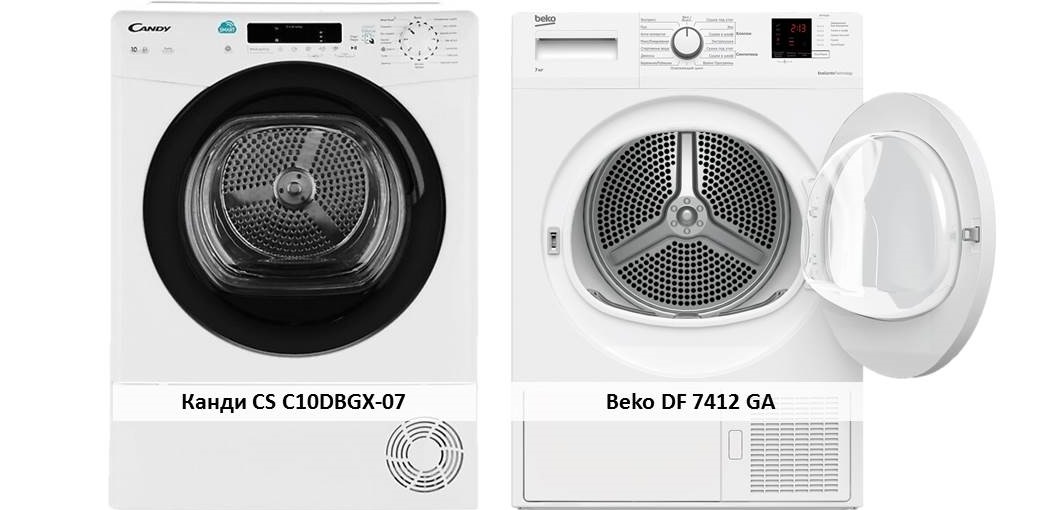
- Beko DF 7412 GA tumble dryer. Condenser drying. Priced just over $310. Maximum drum load: 7 kg. Drying class: A, energy efficiency class: A+. Power: only 0.9 kW. Rating: 4.6 based on 88 reviews.
- Bosch WTM83201OE dryer. Price: approximately $350. Maximum load: 8 kg. Energy efficiency class: B. Unit power: 2.8 kW. Condenser drying. Rating: 4.6 based on 40 reviews.
- Bosch WTH83001OE dryer. Priced at $430, this machine features condensation drying and an A+ energy efficiency rating. The maximum drum load is 8 kg. The unit operates at just 0.6 kW. Based on 42 reviews, it has a rating of 4.7.
- The Electrolux EW8HR458B dryer costs just under $540. It uses condensation drying. The drum holds up to 8 kg of laundry. It has a drying class of B and an energy efficiency rating of A++. It uses 0.9 kW of power. It has a rating of 4.7 based on 47 reviews.
- Bosch WTH85201OE tumble dryer. Priced just under $600, it features condensation drying. It has a drying class of B and an energy efficiency rating of A++. The maximum load capacity is 8 kg. The unit's power is 0.625 kW. It has a rating of 4.8 based on 12 reviews.
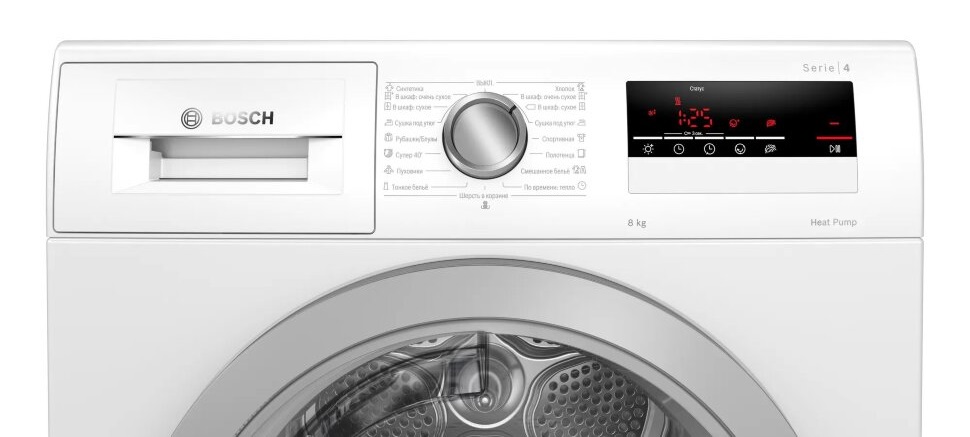
- Bosch WTG86401OE dryer. Priced just under $420, it features condensation drying. Energy efficiency class B. Maximum load: 9 kg. Power: 2.8 kW. Rating: 4.7 based on 12 reviews.
- Electrolux EW6CR428W dryer. Priced just under $400, it features condensation drying. Energy efficiency class B. Maximum load capacity is 8 kg. The unit's power is 2.25 kW. It has a rating of 4.8 based on 47 reviews.
- The Schaub Lorenz SLR F2721 dryer costs approximately 43,000 rubles. It uses condensation drying. Energy efficiency class B. The maximum load capacity is 7 kg. The unit's power is 2.7 kW. It has a rating of 4.7 based on 2 reviews.
In general, the most popular models have a power output of no more than 3 kW. However, some units operate at very low outputs, barely exceeding 0.5 kW.
How much energy do dryers use?
When discussing the energy consumption of household appliances, it's impossible not to mention energy efficiency classes. These once ranged from A to C, with A being the best and C the worst.
Attention! Class A has long since ceased to be the leading category; more advanced models have energy efficiency classes A+, A++, or even A+++. Class C is no longer available on the market today.
The development of household appliances does not stand still, and many more energy efficiency classes will undoubtedly appear, and then it may be necessary to add additional pluses to A or even change the entire system of measurement and grading.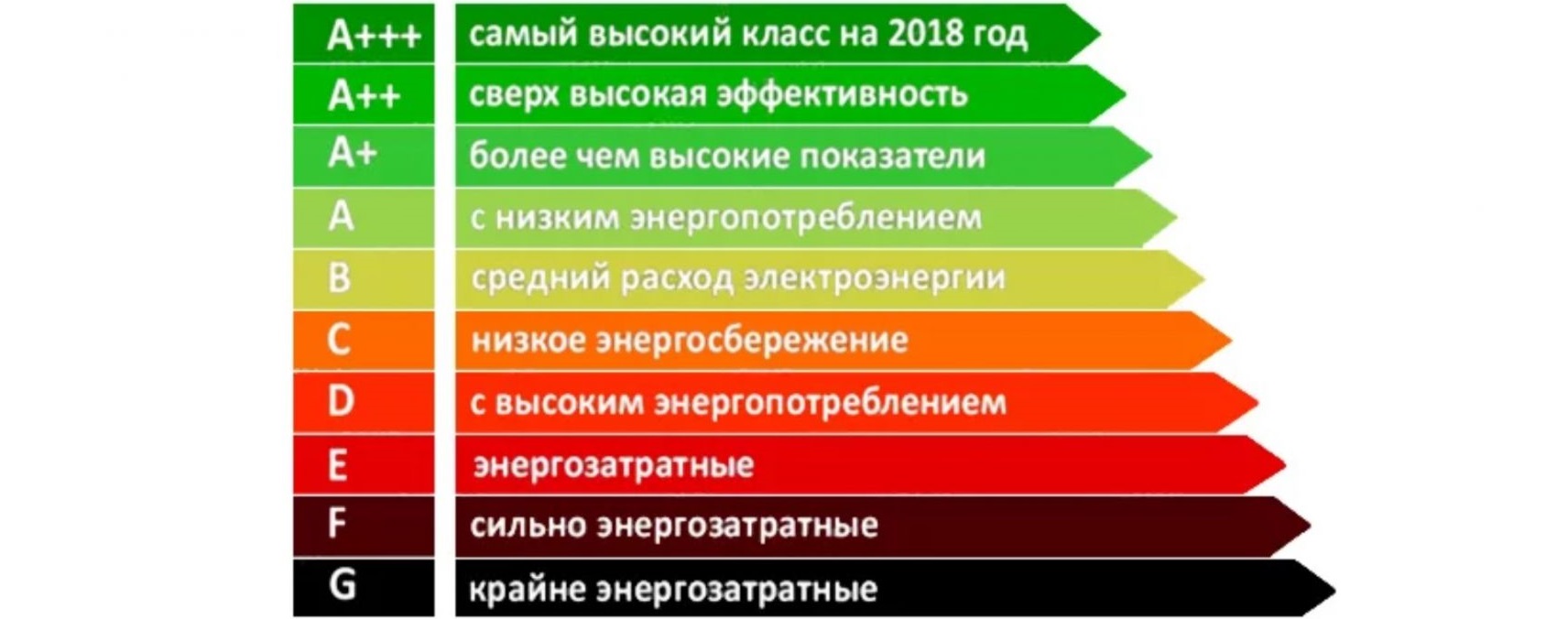
To summarize this very briefly, we can say that the closer the letter is to the beginning of the alphabet and the more pluses there are after it, if we are talking about the letter A, the more economical your machine will be in terms of electricity consumption.
Manufacturers often even specify in user manuals how much energy will be used for a particular drying program. Sometimes, even the average annual energy consumption is calculated in the machine's manual, so the user only needs to carefully study the instructions.
If we look at the sample of dryers from point 1, we can calculate that out of 10 units, 6 have energy efficiency class B, 2 have A+ and 2 have A++. The pattern is that most of them have an energy efficiency class of B, which is generally quite low – such units really do consume quite a lot of energy. It is quite logical that the higher the energy efficiency class, all other things being equal, the more expensive the dryer will be.
Interesting:


Readers' comments
Headings
Washing machine repair




For buyers




For users


Dishwasher




Add a comment