What is the power of the washing machine heating element?
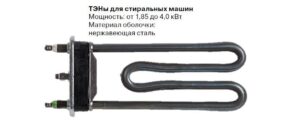
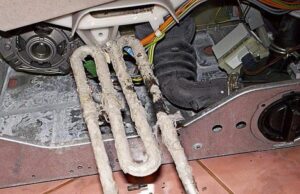
Few washing machines can provide ideal operating conditions. More often, however, they must operate in potentially hazardous environments: with hard water, fluctuating power supplies, and under excessive load. As a result, key components, including the heating element, suffer. The heating element is one of the most vulnerable components of the system, often failing and requiring replacement. Removing and installing a new unit is easy—the key is knowing the wattage of your washing machine's heating element to select the right replacement.
Is power really that important?
Operating power is one of the key characteristics of a heating element. Some washing machines are equipped with 2-2.2 kW heaters, while others require only 1.8-1.9 kW. The difference is significant: the higher the rating, the faster the water heats up and the more electricity the appliance uses.
The higher the power of the heating element, the faster and stronger the washing machine heats up!
Experts recommend selecting a replacement so that the new heating element matches the old one in power. However, fluctuations are possible: many modern circuit breakers are ready to "accept" a different heater model. The main thing is to keep the difference within 100-300W—this "reserve" is initially built into the starting relay. Thus, the original 1.9 kW unit can be easily replaced with a 1.6-1.8 kW unit if the other parameters are also suitable.
Users are most often concerned about the question of whether it is possible to install a heating element with a higher power. Many people specifically ask service technicians to "pump" the heating system with a more powerful device. This request is usually granted if the new element does not exceed the maximum 300W rating. If the difference is greater, replacement would be dangerous: the contacts would be subject to excessive load, the device would overheat, and fail prematurely.
Knowing the heating element's wattage allows you to check its functionality. Simply calculate the element's normal resistance using the formula R=U²/P, where:
“U” – voltage in the electrical network (usually equal to 220 V);
"P" is the heater power.
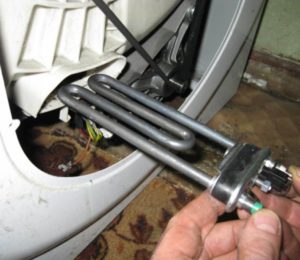
The heater power data is printed on its body.
We note the resulting value and measure the actual resistance. Set the multimeter to ohmmeter mode, set it to "200 ohms," and attach the probes to the heater contacts. If the display matches the first number, the heating element is fully functional. Remember that a tolerance of plus or minus 3 ohms is acceptable. Is the difference much greater? Then the element needs to be replaced.
What else matters when choosing a part?
To ensure your washing machine lasts a long time after replacing its heating element, it's important to choose the right heating element. The ideal solution is to remove the old unit and bring it to the store as a sample. Our consultants will carefully inspect the unit, determine its power rating and other parameters, and find a suitable replacement.
It's a different matter if you can't find a replacement part in a store. Then you'll have to order a new heater online, having assessed the heating element model yourself. When purchasing, you'll need to specify several key parameters: mounting location, presence of a flange, dimensions, shape, and coating. Let's look at each of these separately.
Mounting location. It's important that the new heating element fits into the designated socket. Almost all modern heating elements are mounted in the same way. If your washing machine was manufactured 10-15 years ago, you'll need to check the type of tip on the element—it will differ from the standard.
The presence of a flange. This is a reinforcing attachment located next to the seal. If the heating element is installed without a flange when needed, the heater may fall out of its socket during washing.
The presence of a hole for the thermistor. If the washing machine requires connecting the heating element to a temperature sensor, you need to look for a part with a “hole”. The option with a hole is considered universal, since it can be easily closed with a special plug when not needed.
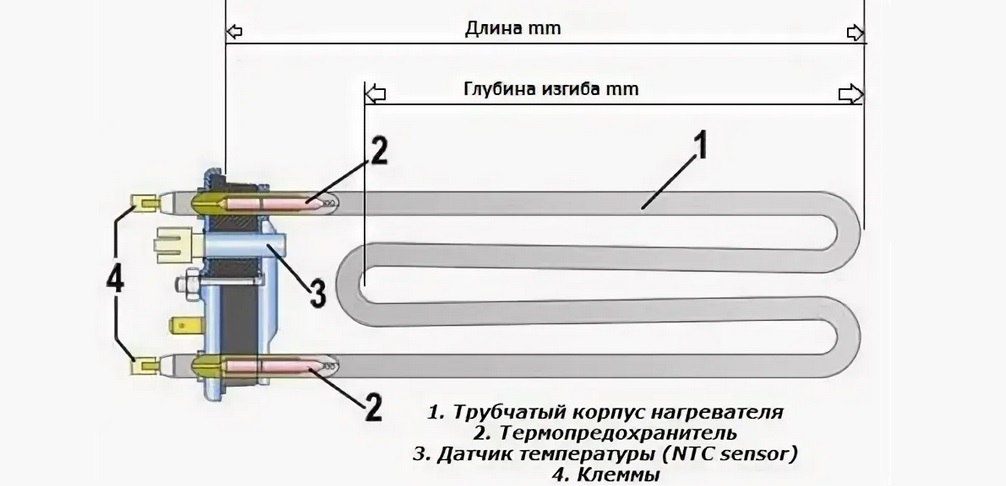
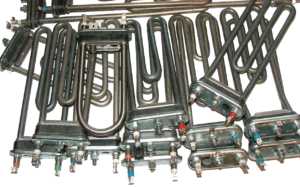
Heating elements differ in power, mounting location, size, shape, coating, presence of a flange and hole for connecting a thermistor.
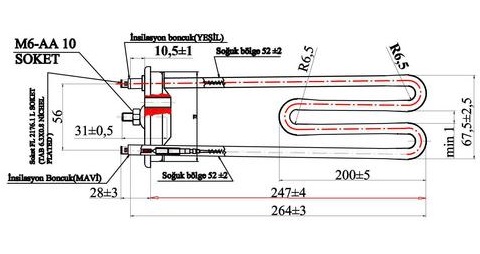
Dimensions. All heating elements are divided into short, medium, and long, depending on the length of the element. If a larger heater was previously installed, a smaller one can easily fit in its place. A "maxi" heater cannot be installed in place of a mini heater, as there won't be enough space.
Shape. Heating elements come in straight and curved shapes.
Coating. Coating isn't critical when choosing a replacement, as it doesn't significantly affect the design or installation of the heating element. However, it does affect the heater's durability, strength, and reliability. It's best not to skimp on it, but to choose models that are more resistant to scale and overheating.
When searching for a new heater, it's also worth paying attention to the manufacturer. Saving money and buying Chinese knockoffs is not recommended – it's important to choose genuine parts. For example, components from the Italian company Thermowatt are considered high-quality. Heating elements with a fuse from IRCA, another Italian company, also proved to be excellent in operation.
Examples of heater characteristics
The modern market offers a wide range of heating elements, each with a variety of characteristics. Covering all the heating element options in one article is difficult – there are simply too many. However, if you're having trouble choosing a new heater, here are a few recommendations and examples:
The classic universal option is considered to be a straight heater with a power of 1.9 kW, a length of 17.5 cm, a flange and a hole for the thermistor;
The “classic” includes a 1.9 kW, 173 mm heating element with a collar, but without a hole for a temperature sensor;
A 1600 W heating element, which has a length of 180 mm and a hole for the sensor, is considered universal for Samsung;
A straight heating element with a length of 17.5 cm and a power of up to 1.9 kW is considered universal.
Among the long heating elements, the 305 mm heater with a power of 2 kW, supplemented with a thermistor, sealing rubber and flange, has proven itself to be excellent;
For LG, a 305 mm heater with a thin cuff, flange and a power of 2 kW is suitable.
Before purchasing a heating element, recheck its key specifications—it should be identical to the old one. Only a slight deviation in power is permissible, but no more than 300W.

 Few washing machines can provide ideal operating conditions. More often, however, they must operate in potentially hazardous environments: with hard water, fluctuating power supplies, and under excessive load. As a result, key components, including the heating element, suffer. The heating element is one of the most vulnerable components of the system, often failing and requiring replacement. Removing and installing a new unit is easy—the key is knowing the wattage of your washing machine's heating element to select the right replacement.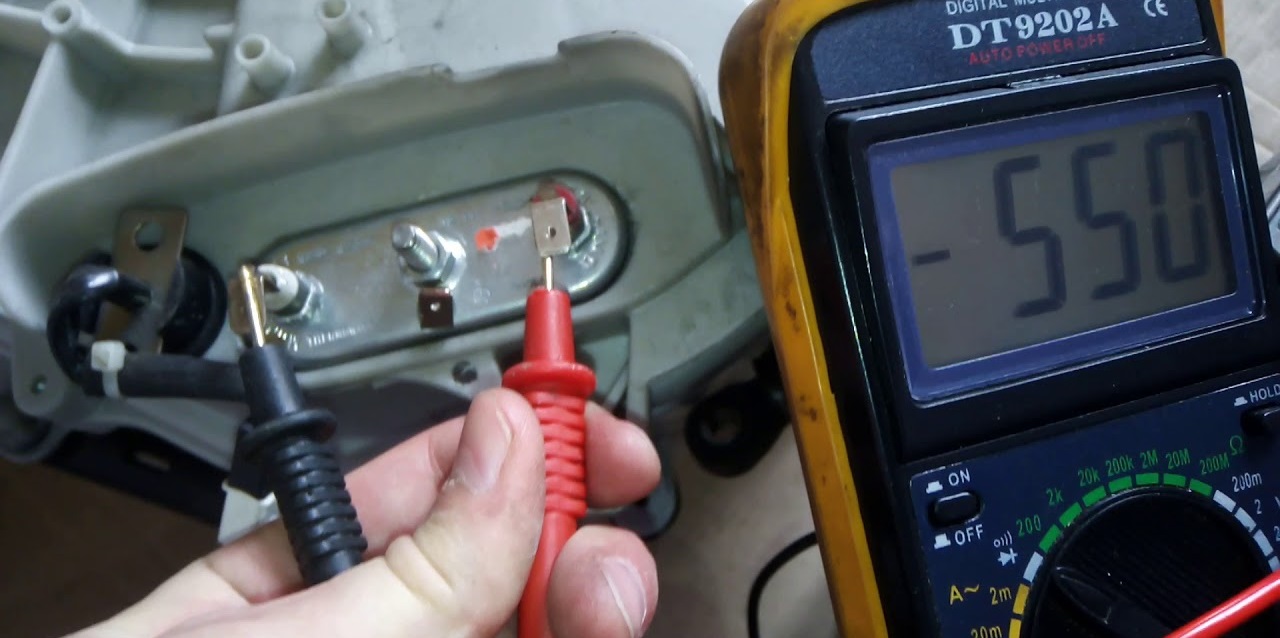














Add a comment