
Is it possible to wash a multicooker bowl in the dishwasher?
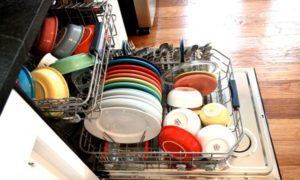
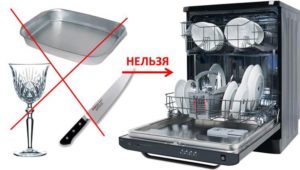
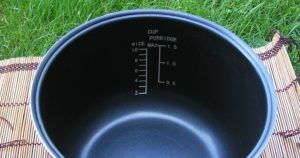 When a housewife uses a dishwasher extensively, she expects to wash everything in it. Indeed, if she's already purchased one, she should let it work at full capacity, preserving the precious skin of her hands. But in reality, it doesn't work that way. Not all items are dishwasher-safe, as they'll simply get damaged, and there are plenty of examples of this. Today, we'll explore whether multicooker bowls can be washed in the dishwasher. Perhaps these bowls are also on the list of prohibited items, or perhaps not. Let's explore this issue.
Will it go bad?
Today's multicooker market is fiercely competitive. Hundreds of manufacturers offer their products, leaving consumers spoiled for choice. Multicooker components can vary in materials and manufacturing technology. Most removable parts of any multicooker are dishwasher-safe, but the bowl is not. This is because multicooker bowls are made:
- made of aluminum alloy with a special non-stick coating;
- made of stainless steel with a special non-stick coating;
- made of polymetal or steel with a special ceramic coating.
Any of the bowls should be handled with great care.
Any of these bowls will suffer after just 1-2 washes, and here's why. The non-stick coating partially peels off after the first wash. Exposed aluminum alloy reacts with detergents, turning black and starting to leave a black residue. A steel bowl performs much better, but it still becomes unusable because it loses its coating. Ceramic will last the longest, but very soon it too will become chipped and dangerous to cook, fry, or stew in. It's not worth it at all. wash ceramics in the dishwasher, if the products do not have special protection.
As sad as it may be, any multicooker bowls will need to be washed by hand. And they need to be washed properly, otherwise even hand cleaning and washing will quickly ruin them.
How to take care of it properly?
It's best not to leave the bowl unwashed for long periods. After removing the cooked food, soak the bowl in warm water if you can't wash it right away. Dried-on cereal, mashed potatoes, and dough are quite difficult to remove, although the bowl's special interior coating is designed to make this process as easy as possible.
Wash the bowl with dishwashing gel and a soft sponge. You can also use cloths or soft rags. Never scrub the inside of the bowl with brushes or abrasive sponges. Also, avoid using any cleaning powders or any substances containing abrasive particles. These will damage the multicooker.
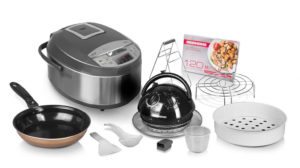 If the multicooker bowl does become dry, don't try to scrape off any food residue. Soak it in hot water for 15-20 minutes, then use a soft sponge and mild detergent to scrub away any remaining dirt. After a simple soak, the stains will become much easier to remove.
Other details
While researching this topic, we had another question: can other parts of the multicooker be washed in the dishwasher? It turns out that measuring cups, spoons, stands, steamer trays, spatulas, tongs, seals and valves can be washed in the dishwasher, but only at a temperature not exceeding 450WITH. If washed with very hot water, thin plastic parts may become deformed, especially measuring cups.
I'd especially like to point out how well the dishwasher cleans greasy steamer pans, which, by the way, are a pain to wash by hand. The non-removable parts of the multicooker also need to be wiped down, as they can accumulate a fair amount of dirt. Special wet cleaning wipes are best for this. Keep your multicooker clean, and it will surely reward you with smooth operation and delicious food.
So, a multicooker bowl is clearly not dishwasher-safe. You should wash it by hand, but do so carefully. This will prolong the bowl's life and prevent food from sticking. Good luck!
Interesting:

Readers' comments
Headings
Washing machine repair




For buyers




For users


Dishwasher




Add a comment