
Can I use regular dishwashing detergent in the dishwasher?
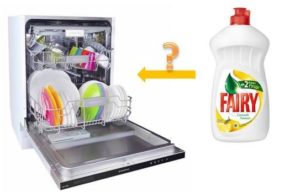 The high cost of special dishwasher powder and tablets encourages users to take risks. People use all sorts of chemicals instead of detergent: baking soda, mustard, citric acid, and a whole host of other chemicals. Some wonder if they can use regular dishwashing liquid, as it's much cheaper. We initially find this approach questionable, but if you're interested, we'll explore the matter in more detail.
What if I pour in hand washing gel?
Even the most expensive dishwashing gel is cheaper than a good dishwasher detergent, and that's no coincidence. Dishwashing tablets or powder contain powerful, concentrated chemicals that are far less effective than regular gel. So, if we pour a few grams of Fairy gel into the dishwasher and run a cycle, we'll end up with unwashed dishes and pots. What else could happen?
- Regular dishwashing detergent can foam excessively. During the cycle, the foam will squirt out everywhere and can damage the dishwasher's electronics.
- Manufacturers add special salt to detergents such as tablets, which is needed to restore the dishwasher's ion exchanger. Without salt, scale will begin to form in the machine. If you frequently wash dishes with regular dishwashing detergent and do not add salt, your dishwasher will break down over time.
Salt can and should be added to the dishwasher's salt compartment, and be sure to keep it from running out. Add more salt as needed.
- Some modern dishwashers won't start unless you add detergent or tablets to the designated compartment. Their sensors don't respond to regular gel, so the system simply won't allow the machine to start.
What can replace tablets and powder?
We dismissed regular dishwashing gel as a potential replacement for specialized detergents, but the desire to save money still remains. What can realistically replace specialized tablets and powder to ensure effective, problem-free cleaning of dishes? In reality, finding a good replacement isn't easy. Of course, there are plenty of homemade dishwashing liquid recipes, but their effectiveness is difficult to compare with store-bought alternatives. Here are some examples.
- Citric acid powder. Take 100 grams of citric acid and mix it with 400 grams of washing soda. Add 50 grams of borax to the mixture. Store the resulting powder in a dry, dark place and use as needed. This homemade powder doesn't clean as well as store-bought, but it's inexpensive and won't damage your dishwasher parts.

- Baby Laundry Detergent Tablets. Take a safe baby laundry detergent for your automatic washing machine, about 300g. Add 150g of washing soda and 30ml of glycerin. Then add a little water, mix the mixture, and then pour it into ice cube trays. After drying on a radiator, you'll have homemade dishwashing tablets.
- Salt powder. Take 150 g of table salt and 150 g of washing soda. Mix these ingredients, add 50 g of borax, mix thoroughly, and store the powder in a dry place. If you plan to store the powder for a long time, it is better to pour it into a hermetically sealed dry plastic container.
- Magnesium powder. Take 400 grams of magnesia, mix it with 200 grams of washing soda and 100 grams of baby laundry detergent. The resulting mixture can also be used for washing dishes.
Avoid making mustard-based powders and tablets. While mustard removes grease, it also has a negative effect on dishwasher parts. This is because mustard powder swells in hot water and settles on the machine's parts, causing damage. Vinegar is also not recommended for use in the dishwasher, as its odor will take a long time to dissipate and cause a host of problems. What else can you do?replace dishwasher detergent Read the separate publication, and we will gradually move on to the conclusion.
So, using regular dishwashing detergent in a dishwasher is generally ineffective and even unsafe. So, it's best to avoid such experiments, otherwise you could end up with expensive repairs.
Interesting:



Readers' comments
Headings
Washing machine repair




For buyers




For users


Dishwasher




Add a comment