
What can you wash in the dishwasher?
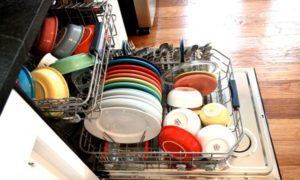 A dishwasher makes life much easier for homemakers who love to cook and entertain, as it takes care of all the unpleasant chores associated with washing dishes. However, not everything is dishwasher-safe. There are items and materials that are absolutely not dishwasher-safe, but it's important to understand that a dishwasher is useful for more than just washing dishes. We'll discuss this and much more in this article.
Materials not compatible with dishwashers
People are different: some new dishwasher owners, not afraid to experiment, immediately start stuffing various objects, knives, toys, and baby bottles into it, while others are afraid to turn it on again. A dishwasher, like any other appliance, should be used wisely, after first reviewing the list of materials that should not be placed in the dishwasher. There's no need to be afraid, because you buy appliances not for aesthetics, but to make them work, saving you time and effort. So, here are the materials you shouldn't put in the dishwasher.
- Cast iron. Cast iron pans or, for example, cauldrons should not be placed in the dishwasher. This isn't because cauldrons or pans are bulky and difficult to fit in the dishwasher. Cast iron will begin to rust when exposed to hot water and detergents. This may not happen immediately, but after 3-4 washes, the cauldron and pans will develop a rusty coating. It's best to wash cauldrons and frying pans by hand, and to remove dried-on grease and soot more easily, use a sponge with an abrasive surface. Some people even prefer to clean the cauldron with sand.
Please note: If you absolutely do not want to wash your cauldron and pans by hand, consider purchasing cast iron cookware with a ceramic coating and washing it automatically without any restrictions.
- Enameled metal. Enameled plates, bowls, and baking sheets are not dishwasher-safe, as after 2-3 washes, the enamel will begin to partially peel off, making the dishes unusable.
- Copper. Copper dishes and items should not be placed in the dishwasher because they quickly tarnish and, in some cases, lose their shape.
- Silver. Silverware and silver-plated items should not be washed in the dishwasher. Silver will become noticeably darker after just one wash, and if you wash it with stainless steel, it will permanently lose its shine. If you've already washed your silver in the dishwasher, don't worry—it can be restored to its former shine.
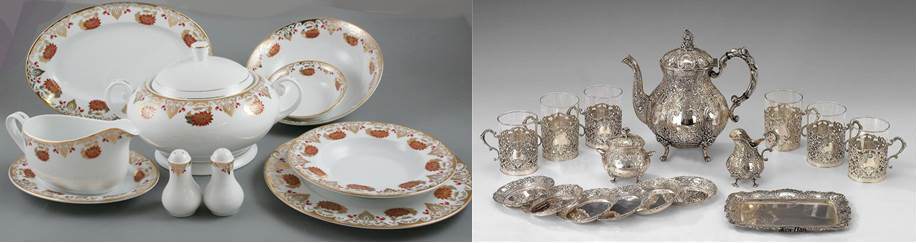
- Crystal. It's best not to wash any crystal, whether thin or thick, in the dishwasher, as hard food particles can scratch the surface. Hot water will also inevitably crack crystal. While modern dishwashers have a special "crystal" cycle, it's best to leave particularly expensive items for hand washing. If you absolutely must wash crystal in the dishwasher, use the lowest temperature setting and place it separately from other dishes. Use a minimum of detergents, but don't forget the rinse aid to make the crystal shine better.
- Aluminum. If you put a meat grinder or aluminum baking sheet in the dishwasher, you'll end up with a dark, film-covered object. Cleaning the grinder, baking sheet, and other utensils afterwards is very difficult.
- Brass. Brass cookware and other items should not be washed in the dishwasher, as they will darken and lose their appearance after just one wash.
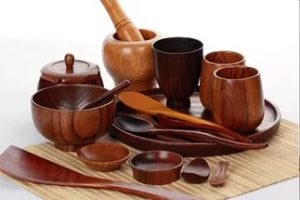
- Wood. Wooden items lose their shape after prolonged exposure to hot water, and their appearance should be washed by hand.
Besides materials, there's also a long list of items that are best kept out of the dishwasher. This includes Crocs, vacuum-sealed dishes, knives, and more. Read more about that. What dishes should not be washed in the dishwasher? Read the article of the same name. It's also worth noting that sharp knives should never be washed in the dishwasher. Knives made of any material quickly become dull when exposed to high temperatures, even ceramic knives and meat grinder knives are no exception.
Items conditionally recommended for dishwasher use
To better structure our narrative, we've decided to divide all dishwasher-safe items into two groups: those that are safe to wash automatically and those that are only moderately safe to wash automatically. Let's start with items that can only be washed under certain conditions.
Cupronickel. Cupronickel is an alloy of several metals that is very similar in appearance to silver. Cupronickel is dishwasher safe, but only separately from other metal items. Putting cupronickel-based knives and stainless steel spoons in the dishwasher may cause a reaction and tarnishing. Tableware made from nickel silver should not be washed in the dishwasher if it has decorative elements made from other materials glued or welded onto it. In this case, cupronickel will react with this material.
Please note! Cupronickel withstands hot water well, but it may react adversely to detergents. When loading cupronickel into the dishwasher, be sure to check which detergent tablets are safe and which are not.
Thermos. It's not recommended to wash a thermos in the dishwasher under normal conditions, as hot water and detergents can damage the lid and the surface of the flask, ruining the thermos. However, if you set the washing temperature to a lower temperature and use minimal detergent, the thermos will easily withstand the dishwasher. Thermoses specifically designed for automatic washing are now available on the market. The manufacturer clearly states this on the packaging. These thermoses are not foam-insulated, and their flasks are typically made of stainless steel. Buy one and wash it in the dishwasher to your heart's content.
Children's toys. Toys made entirely of plastic are dishwasher safe and clean perfectly, but there are some restrictions. Avoid putting toys with glued parts in the dishwasher, as these parts will quickly come off and ruin the toy. Also, avoid putting plastic dolls with hair (like Barbie) in the dishwasher, as the dishwasher will ruin their hair forever.
Porcelain. As a general rule, porcelain shouldn't be washed in the dishwasher, especially valuable pieces from China and Japan. However, if you follow certain guidelines, you can still wash porcelain in extreme cases. What should you do?
- set the washing temperature to no higher than 55 0C, hotter water will ruin the porcelain;
- Do not add any detergents, otherwise the porcelain may react with any chemicals;
- Do not place porcelain in the bottom rack of the dishwasher, only in the top rack;
- Wash porcelain separately from other dishes.
Items recommended for automatic washing
Now let's talk about items that are both convenient and safe to wash in the dishwasher. There are many more than might initially appear. First on the list, of course, are dishes, with the exception of those made from the materials mentioned above. The rest of the list is much more unusual.
- A baseball cap. If you throw this hat in the washing machine, it's sure to lose its shape after just 1-3 washes. Dishwasher-safe baseball caps wash very well and won't deteriorate. Just keep in mind that dishwashing detergent isn't suitable for baseball caps.
- Flip-flops, sandals, galoshes, and rubber boots clean easily, but remember to remove any large chunks of dirt from rubber footwear before putting it in the dishwasher.
- Tools. You can also wash dirty tools in the washing machine. Just avoid placing sharp tools like chisels, knives, and planes in the automatic wash—they'll inevitably dull them.
- Plastic covers for vents, outlets, and switches. These plastic parts are easy to clean. You'll be surprised how old, yellowed switches turn white after a quick cleaning.

- Plastic combs, massage brushes, etc. can be washed easily in the dishwasher if they do not have wooden elements.
- Sports equipment. This includes helmets, knee pads, mouth guards, bowling balls, and more.
- Lampshades for chandeliers, lamps and sconces. Before loading lampshades into the dishwasher, you need to make sure that they are not crystal. Glass and plastic lampshades can be washed without restrictions.
- Firm fruits and root vegetables. Before placing fruits and root vegetables in the dishwasher, clean them to remove any large pieces of dirt and then load them into the basket. Before washing root vegetables and fruit, clean and wipe the detergent drawer to prevent any residual detergent or rinse aid from getting on your food.
FYI! A 10-place-load dishwasher can easily wash 6 kg of potatoes, 2 kg of carrots, and still have room for 2 kg of fruit—very convenient when you need to prepare a lot of food at once.
To summarize, we've determined that you can wash many items in the dishwasher besides dishes. This list includes thermoses, nickel silver, porcelain, toys, tools, and even dense fruits and vegetables. However, there are quite a few restrictions. For example, you can't put knives, crystal, wooden items, brass, cast iron, silver, and other items in the dishwasher. To avoid accidentally damaging items in the dishwasher, read this article—it'll come in handy!
Interesting:

2 reader comments
Add a comment
Headings
Washing machine repair




For buyers




For users


Dishwasher




Thank you. I'm just about to use it, and I'm very surprised by the limitations; I could have ruined a lot of things! Thanks for the article!
I can easily wash Soviet crystal in the dishwasher; every edge comes out perfectly clean, unlike before, when I'd have to sit and pick at them with toothpicks. But I ruined my meat grinder and garlic press right from the start.