
Can you wash soft musical toys in the washing machine?
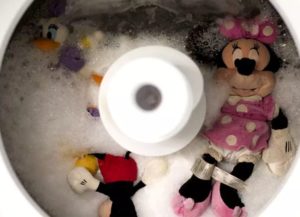 Almost every family has plush toys with musical accompaniment. But behind the beauty and softness of these "pets" lies a danger: germs and dust mites accumulate in the fabric, which can harm a child if they come into close contact. There are two options: throw them away or clean them.
The problem is that you can't wash soft musical toys in the washing machine in the usual way—they'll stop singing after being soaked in water. Let's figure out how to remove the dirt without ruining your "singing" teddy bear.
Be sure to prepare the toy for washing.
If a toy "sings," it has a special sound-producing module inside. This is a miniature rectangular or square box made of plastic or silicone, easily felt through the stuffing and fabric. This is how the mechanism works: when a person presses on it, a contact is made, and the recorded music plays.
The problem is that any music module is equipped with a speaker, which in turn necessarily has holes for sound output. When wet, water penetrates the board through the aforementioned “holes” and irreversibly dampens it. The only way to keep your toy safe is to remove the plastic box before washing. Here's how:
- we feel the module;
- we find the seam closest to it and carefully rip it open;
- we pull out the module through the hole made;
- we superficially sew up the seam so that the filling does not come out of the hole when washing;
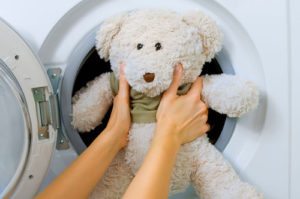
- put the toy into the drum and start the wash;
- at the end of the program, take out the “pet” and dry it;
- We unpick the washed and dried toy in the old place, return the module and apply a “clean” seam.
The music module must be returned to the toy after it has dried, otherwise any moisture remaining in the padding will penetrate to the circuit board and damage it.
Removing the module is only the first step in preparing your musical toy for washing in the washing machine. Additionally, the item should be inspected for defects, torn parts, loose buttons, and loose padding. If any of these are present, it requires repair before loading into the drum.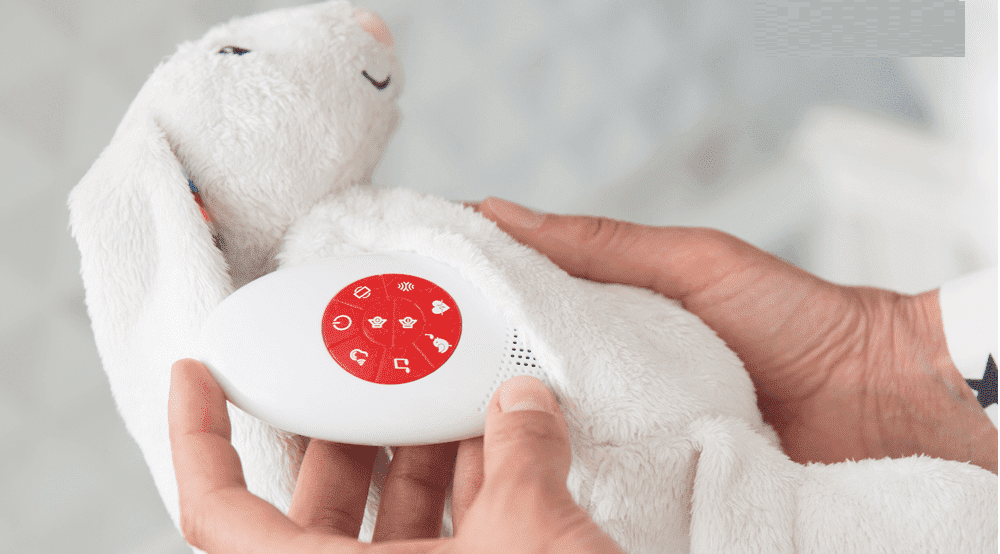
It's recommended to place all washable plush toys in a special laundry bag. This will ensure their safety, especially if they have glued or loosely sewn fittings. Pay particular attention to any existing dirt. All stubborn stains must be treated locally with bleach or stain remover. In advanced cases, soaking and a soft brush are indicated.
The nuances of automatic washing
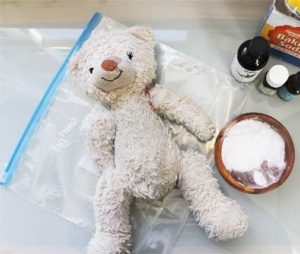
To ensure washing your soft musical toy goes smoothly, consider a few things before washing. First, make sure the manufacturer has machine-cleaning approval—the tag should indicate this. Second, make sure the teddy bear's filling is artificial. Otherwise, you'll have to wash it dry with baking soda. There are a few other considerations, too.
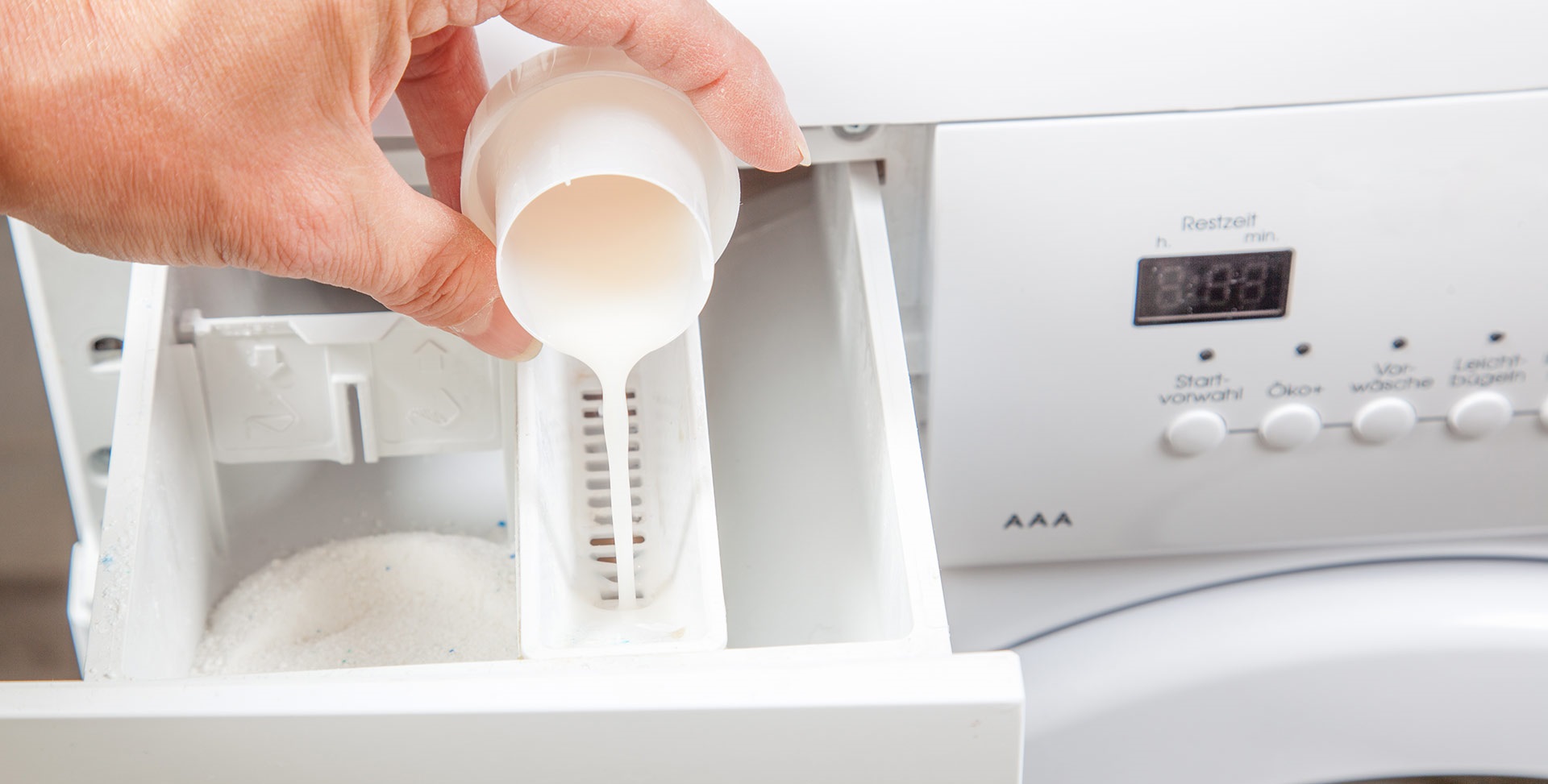
- Only safe detergents should be added to the machine, for example, gel for washing children's clothes.
- It is better to focus on the permitted temperature range - 30-60 degrees.
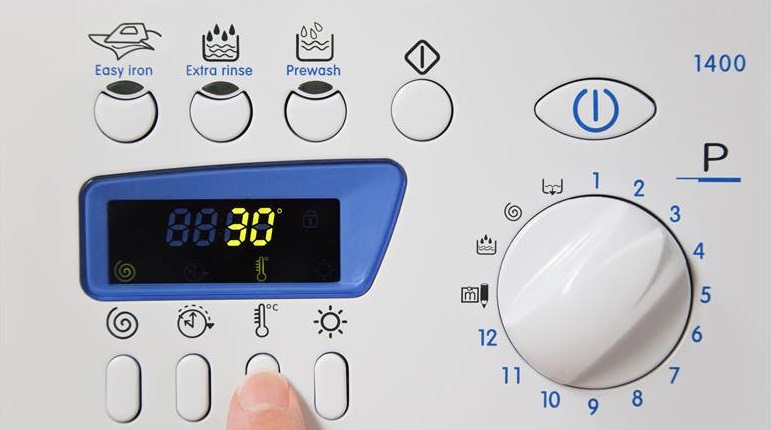
- You should select only a delicate washing program.
- Be sure to include a second rinse.
Before washing, read the care label on the item – the manufacturer indicates the optimal cleaning conditions on it.
It's best to turn off the automatic wringer and wring the toy out by hand. Hang the plush toy vertically and air dry. It's best not to overdry it to prevent mold and odor.
And a few more tips
Experienced homemakers recommend following a few more helpful tips when washing soft musical toys. These tips can help make the process safer, identify defective items, and completely eliminate dust mites. These include the following:
- Dust mites die at extreme temperatures: either heating above 60 degrees, or freezing;
- wash toys separately from other things;
- When rinsing, it is better to add a little conditioner;
- knitted toys are dried horizontally, wrapped in a dry terry towel;
- old toys are given to the child only after they have been thoroughly washed;
- do not dry on heating devices;
- After washing, plush and knitted items become combed and fluffy.
If you follow all the above recommendations, the toy will wash without deformation or loss of color. If the bear has shed its color, it means the product was initially of poor quality and contained toxic substances. It’s better to get rid of the “pet” and not risk the baby’s health.
Interesting:

Readers' comments
Headings
Washing machine repair




For buyers




For users


Dishwasher




Add a comment