
Can enamel cookware be washed in the dishwasher?
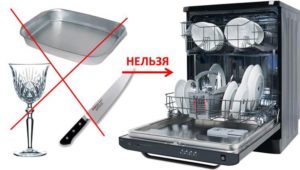
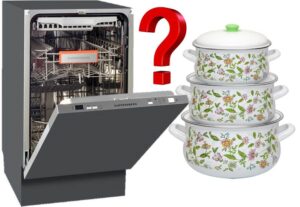 It's important to understand that not all kitchenware can be trusted in the dishwasher. Some items can easily be damaged. For example, wooden utensils, aluminum and cast iron cookware, and crystal glassware should not be loaded into the dishwasher. What about enameled pots? Let's explore the nuances.
Will the enamel be damaged?
It is permissible to wash enamelware in a dishwasher, but a number of conditions must be met. Before loading into the dishwasher, be sure to check that the enamel is not damaged. If there are even small chips on the pan, it is better to avoid using a dishwasher.
Poor quality or damaged enamel will begin to rust after several washes in the machine.
If the dishes are intact, you can load them into the dishwasher. It's important to select the appropriate wash cycle. Keep the cycle short and the water temperature below 40°C. Too much heat will damage the enamel.
The housewife should also be mindful of the choice of cleaning agent. It should be gentle, without alkali or other harsh ingredients. Avoid using cleaning powders.
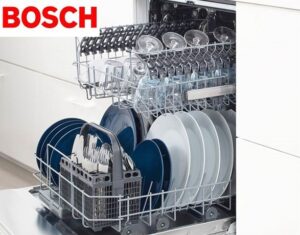
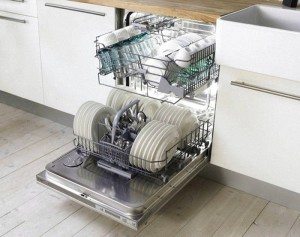
Large enamel pots with a capacity of three liters or more should be placed in the bottom rack of the dishwasher, as they are quite heavy. Small ladles and saucepans can be placed in the top rack, but be careful not to block the spray arm.
Like any other kitchenware, enamelware should be prepared for loading into the dishwasher. Any food residue should be scraped off the sides beforehand. If the bottom is burnt, it's best to soak the pan in water beforehand to allow it to soak.
Dishwasher Stop List
It's common knowledge that machine washing is more aggressive than hand washing. This is precisely why not all items are dishwasher safe. Firstly, the household cleaning products designed for dishwashers are different, containing stronger ingredients that can damage fragile materials. Secondly, the water temperature reaches 90°C—not all kitchenware can withstand such temperatures.
Let's figure out which dishes shouldn't be washed with a dishwasher. These are:
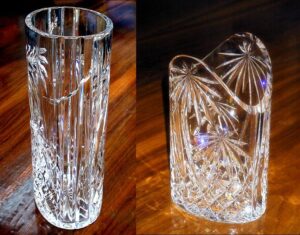
- crystal products, fine porcelain, items made in Khokhloma or Gzhel style;
- clay pots, such as pots;
- ceramic pots without a special protective coating - they easily “absorb” household chemicals and become toxic;
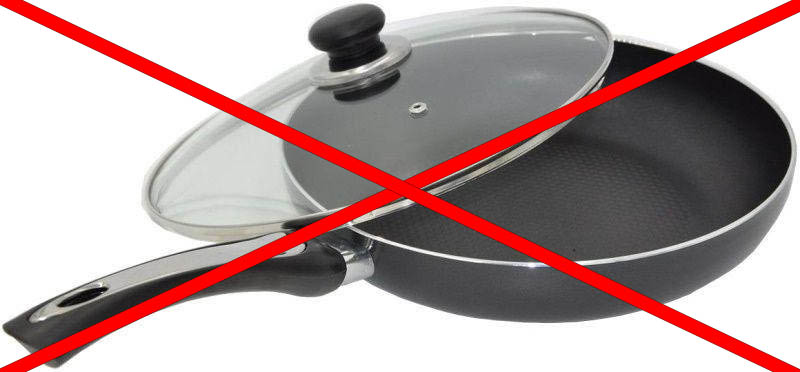
- Teflon-coated cookware. After several washes, these items will simply peel off and lose their non-stick properties;
- Multicooker containers - they are recommended to be cleaned only by hand;
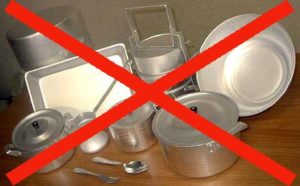
- Aluminum utensils. During the washing process, the protective film is removed from the metal, and it comes into contact with water. As a result, the cookware darkens and becomes unsuitable for kitchen use;
- Cast iron pans, bowls, and cauldrons. Not only can heavy cookware break the dishwasher rack hinges, but the metal will also rust from prolonged contact with water;
- any wooden utensils – spoons, cutting boards, stands;
- utensils with wooden or plastic handles.
It's also worth mentioning which pots can be loaded into the dishwasher without risk of damage. These are:
- stainless steel utensils;
- cast iron products covered with high-quality enamel;
- microwave-safe glass bowls;
- modern expensive pans with protection applied to the non-stick coating.
Information about whether the dish is suitable for machine washing is indicated on the packaging or on the bottom of the pan.
Therefore, when you buy a new saucepan or frying pan, study the packaging and inspect the bottom. The manufacturer must indicate how to properly care for the dishes. It also specifies whether the items can be loaded into the dishwasher.
How to wash "forbidden" items?
If you don't want to wash even some of your dishes by hand, you can try to find a solution. Many items are prohibited from being placed in the dishwasher precisely because the water reaches high temperatures. To avoid this, buy a dishwasher with multiple settings. It should have a short cycle with a temperature no higher than 40°C.
The second obstacle is the overly harsh detergents used in dishwashers. But there's an easy solution here too: buy the gentlest cleaning solution possible, made with natural ingredients. There's a huge variety of household cleaning products on the market today. Once you've met these two requirements, you can load your dishwasher with wood, porcelain, plastic, thin glass, and enamel.
Cast iron cookware is especially sensitive to prolonged exposure to water. If your dishwasher has a short cycle, feel free to load your frying pan or sauté pan. It's important to remove the pan and wipe it dry immediately after the cycle is complete. This will prevent rusting.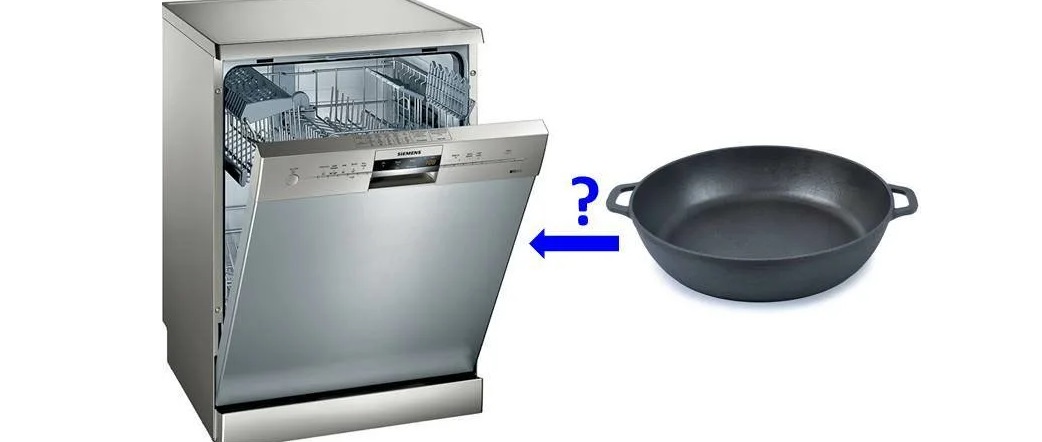
Teflon cookware and ceramic containers without a protective top layer can only be rinsed in the dishwasher. This should be done in water heated to a maximum of 40°C. Alternatively, you can take a risk and run the shortest, coldest cycle.
If your dishes are burnt, don't assume that the dishwasher will handle the stains better than you. Such items must first be soaked in warm water, have food residue and a layer of carbon removed with a sponge, and only then should the items be placed in the chamber.
Therefore, enamel cookware can be cleaned in the dishwasher. The main thing is that the enamel is intact and of good quality. It is recommended to run a short cycle, heating the water to 40°C, and use detergents without aggressive ingredients.
Interesting:
Readers' comments
Headings
Washing machine repair




For buyers




For users


Dishwasher




Add a comment