
Is it possible to wash a thermos in the dishwasher?
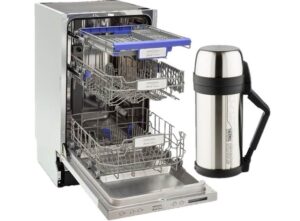 Thermoses for drinks or hot dishes are very difficult to clean, especially those with narrow necks. So, homeowners naturally ask: can I put a thermos in the dishwasher? What will the cleaning quality be like, and will it be damaged after such a test? It's worth taking a closer look at all this to answer this question.
Is the dishwasher dangerous for a thermos?
There are many items of cookware that manufacturers don't recommend washing in the dishwasher at all, no matter how much we might want to. Thermoses are one of them. This is because they can simply get damaged, losing their function of maintaining internal temperature.
Most thermoses have a flask inside the body. The flask is lined with a special insulating material. Once wet, this material will begin to lose its properties and deteriorate, which will affect the thermos itself—you'll notice drinks inside cooling faster. Even if you dry it thoroughly, the flask's thermal insulation properties will not be restored. Therefore, it is worth remembering that any heat-insulating dishes (thermoses, glasses, mugs) should be washed by hand without prolonged contact with water and steam.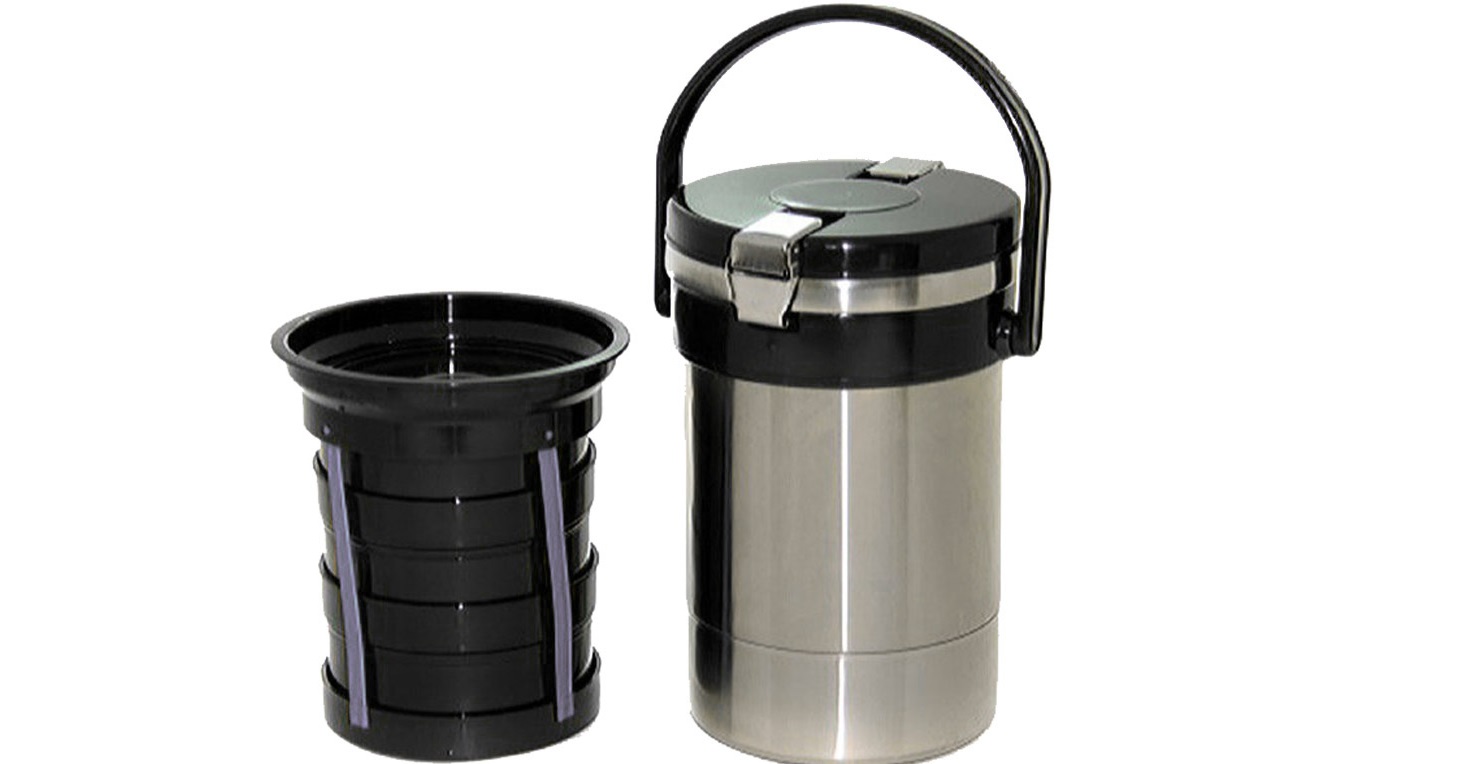
If a thermos lacks a special insulation material, the air in the space between the flask and the body acts as insulation. This is even worse. If water gets into this space and doesn't dry out, over time the thermos will not only lose its heat retention but will also develop a foul odor.
Cleaning a stainless steel thermos
So how do you clean a metal thermos if it's stained with tea or other drinks, and if you can't put it in the dishwasher? You'll have to clean it anyway, because over time, unwashed surfaces will affect the taste of your tea. To avoid damaging your thermos, you need to know a few rules that will help you remove stains at home.
Important! Before use, wash a new thermos with warm water, a gel dish soap, and a soft cloth. Wash all parts separately and then dry thoroughly.
So, you should rinse and dry your thermos immediately after use to prevent foreign odors from developing. As for black stains and residue, plain water won't remove them. The following remedies can help at home:
- citric acid;
- baking soda;
- ammonia.
A citric acid-based solution is prepared as follows: Add 2-3 teaspoons of citric acid (depending on the thermos's capacity) to a thermos, pour boiling water over it, and close the lid. Let the thermos with the lemon water sit for 24 hours. Then, rinse the metal thermos with a soft sponge and dry thoroughly. Citric acid is effective in combating both tea and coffee stains.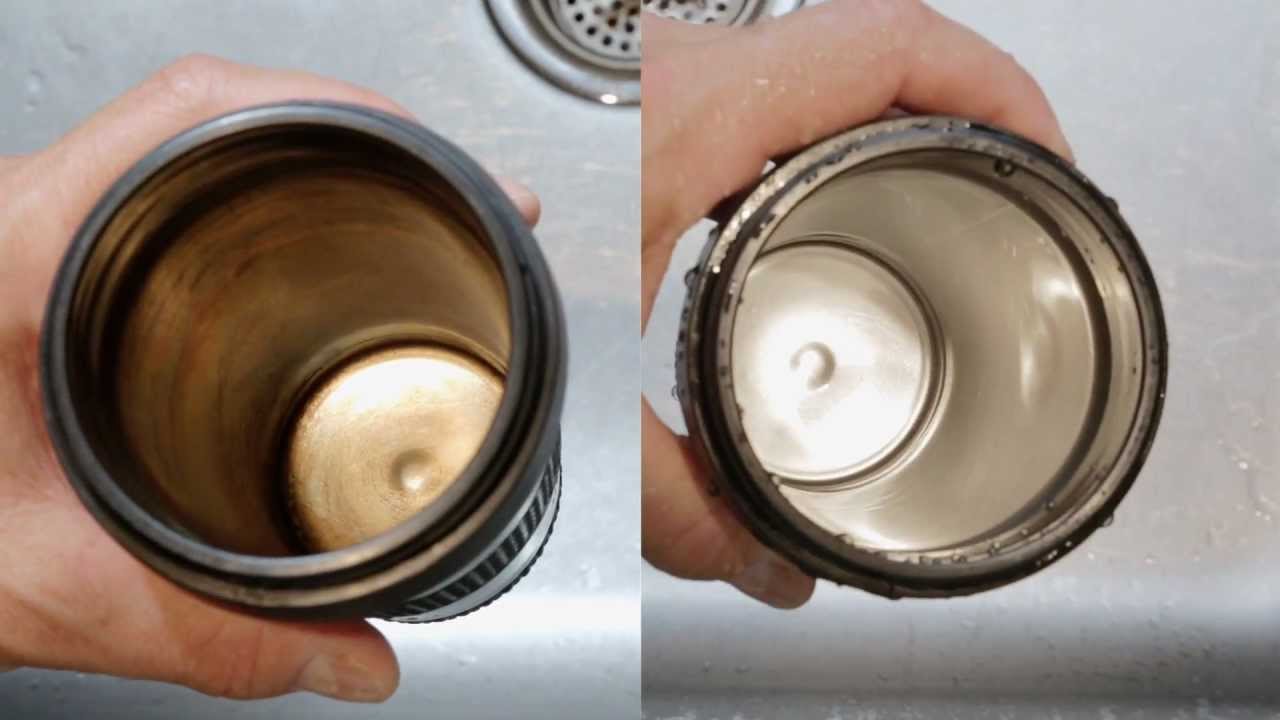
A baking soda-based solution will not only help clean your thermos but also neutralize odors. To do this, add 3 tablespoons of baking soda to the thermos, fill it with water, and close the lid. Let the thermos sit with the solution for at least 6 hours. After this time, open the thermos, add another 3 tablespoons of salt, close the lid, and shake. The salt will effectively dissolve any remaining residue if you wait about an hour. Once finished, rinse the thermos and dry it thoroughly.
Another folk remedy for combating stains and odors is ammonia spit. Prepare a solution at a ratio of 1:10 by diluting the ammonia with cool water. Then pour it into a thermos and let it sit with the lid closed for at least 6 hours. During this time, the ammonia will react with the residue on the thermos's glass and dissolve it. All you have to do is rinse it thoroughly and dry it.
Remember! When using ammonia, follow safety precautions, as it can cause burns. Ventilate the area if necessary.
Sometimes, cleaning just the inside of the thermos isn't enough, as the unpleasant odor may be coming from the lid. To clean this part, you'll need to soak the lid separately in a baking soda solution. For better cleaning results, you can even boil the lid in water and baking soda for five minutes. Then rinse and dry.
Be careful with glass thermoses
A glass thermos gets dirty just as easily as a metal one. Tea stains and even mold can form, which will definitely affect the taste of your food. The cleaning methods for a glass thermos are the same, so you can use the same cleaning products described above.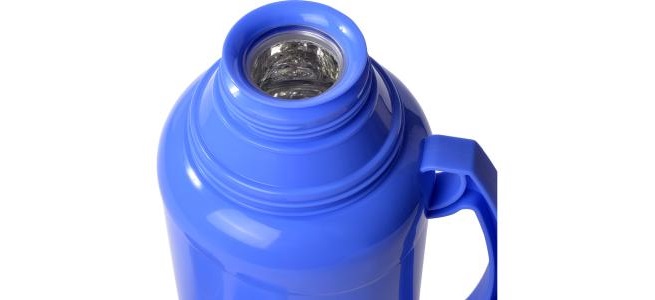
But there's one caveat! A glass thermos is more fragile, so be careful when handling it to avoid breaking it. Don't shake it too hard or vigorously. And if you need to mix the baking soda and salt, just turn the thermos upside down a couple of times and let it sit longer than usual to allow the solution to "work."
After such procedures, stubborn stains may remain. In this case, you can use a bottle brush designed for cleaning narrow-necked bottles. This will easily remove any remaining black stains, then rinse with soapy water and dry the glassware.
The thermos smells bad.
Removing a persistent odor from a thermos can be done not only with home remedies but also, of course, with household chemicals. We offer several options for combating this problem.
- Most often, a liquid dishwashing detergent, such as Fairy or Sorty with a lemon scent, is sufficient. Apply the gel to a soft sponge and thoroughly wash the inside of the thermos, cleaning the lid and neck separately. For a narrow-mouth thermos, use a soft brush with a handle; hard bristles can scratch the metal thermos. Wash until the dishes take on the scent of your detergent.
- You can effectively get rid of an unpleasant odor in a thermos using bleach. But this product is only suitable for glass thermoses; you cannot clean a metal thermos this way. Bleach primarily combats mold and mildew, which are the source of the foul odor. Pour it into the container and fill it with warm water. Simply leave the thermos for an hour, then rinse and dry.
- Odor absorber. This product is sold in specialty stores and can also be ordered online. Place the absorber in a thermos and let it sit for a while, then rinse with warm, soapy water. The manufacturer claims this should eliminate the odor.
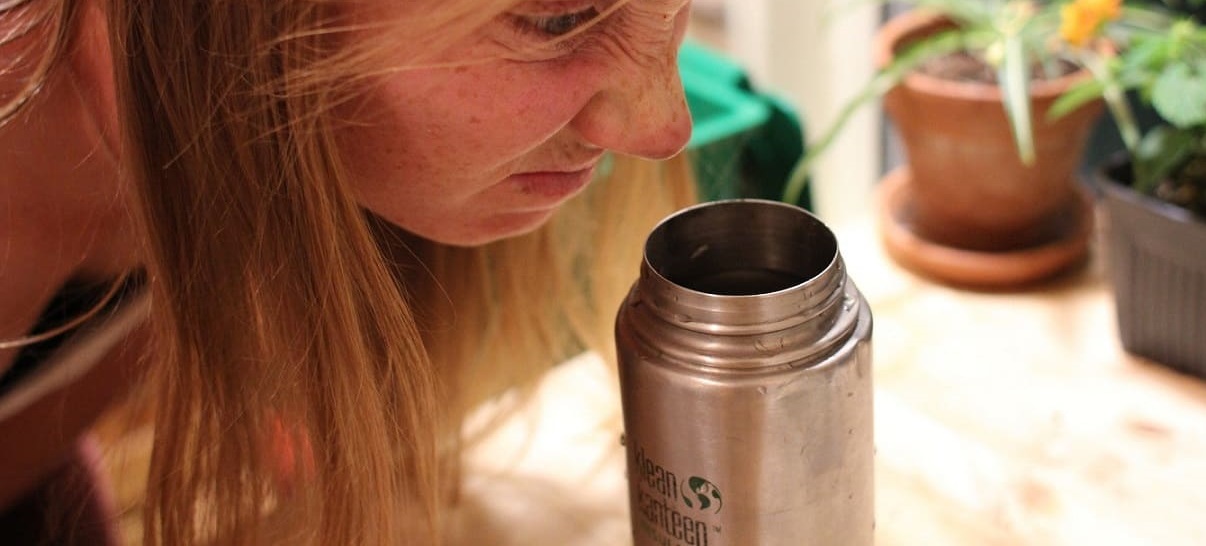
Folk remedies that any good housewife has on hand are also effective in combating unpleasant odors. It's worth trying them out. Here are some of them:
- laundry soap;
- toothpaste;
- mineral carbonated water;
- lemon.
Rub the inside of the thermos with laundry soap, using sponges, rags, and a bottle brush. After letting the thermos sit for 20-30 minutes, pour boiling water over it and rinse thoroughly. Repeat this process several times if necessary.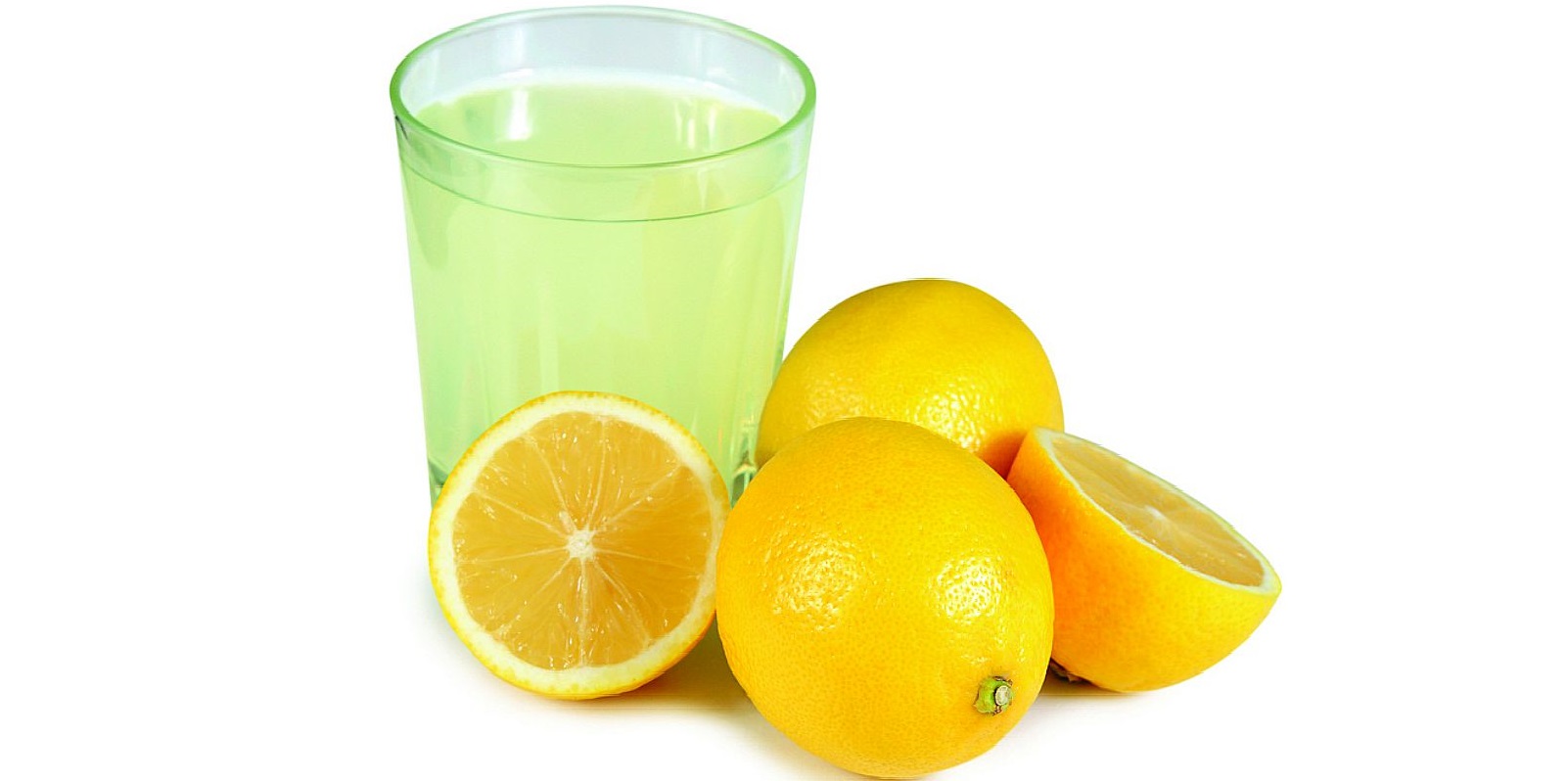
Before use, mix the toothpaste with warm water, using two tablespoons per liter of thermos. Close the thermos tightly and shake well. If you're cleaning a glass thermos, first shake the mixture in another container and pour it into the thermos to avoid damaging it. Let it sit for two hours, then rinse and dry the container.
Carbonated mineral water also works well to combat unpleasant odors. Pour it into the container, cover it with a lid, and let it sit for 24 hours. Then, rinse the thermos with simple dishwashing gel and dry it.
Please note: The effect of mineral water will be enhanced if you add a couple of teaspoons of citric acid.
If you have a lemon on hand, try removing the odor from your thermos. Cut it into slices and seal it in the thermos. After 24 hours, rinse and dry the thermos, repeating this process if necessary. Sometimes the odor is very pungent, requiring several repetitions.
So, while you can't put a thermos in the dishwasher, you can still clean it by hand. As long as you don't let it get black, anyone can clean it. And the thermos will last a very long time.
Interesting:




Readers' comments
Headings
Washing machine repair




For buyers




For users


Dishwasher




Add a comment