
Washing machine in the kitchen - installation features
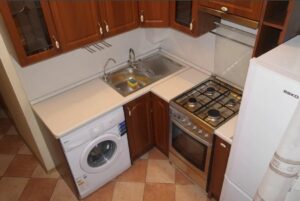
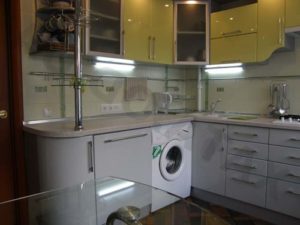
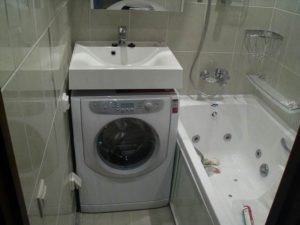
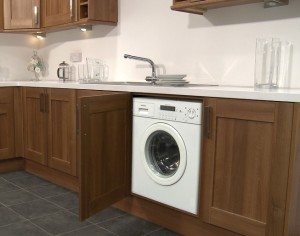 Many residents of our country live in rather modest apartments. And this limited space often forces people to use their ingenuity. For example, some bathrooms may not have enough space to accommodate a washing machine. One popular solution to this problem is installing the machine in the kitchen.
If you don't need to save money and don't have experience connecting your washing machine yourself, the easiest way is to call a service center. A technician will install and connect your appliance without any hassle. Typically, the installer provides a warranty on all work. This way, you can be confident that flooding or other unpleasant consequences won't occur due to the technician's fault.
How to do everything yourself
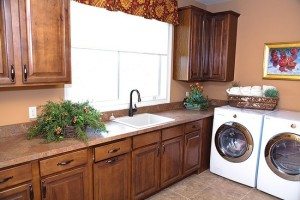 If you prefer to do all the machine connection work yourself, we recommend strictly following all the rules.
First, be sure to remove the transport bolts. (or other parts that fulfill their role). The bolts are usually located on the back of the washing machine. The number of bolts may vary depending on the model. Store-bought appliances always come with instructions. These instructions will tell you what should be included with your purchase, and they usually also include installation instructions and the location of the shipping bolts.
Install and connect
The space for a washing machine must meet certain requirements. Specifically:
- It shouldn't be soft. Installation should only be done on a hard surface.
- It shouldn't be uneven. Although most washing machines have adjustable feet, we recommend leveling the floor before placing the machine.
- It's also a good idea to have water and sewer pipes close to the installation site. This will make connection easier and eliminate the need to purchase longer hoses.
- Furthermore, positioning the machine near an outlet will also be more efficient. It's best to avoid using an extension cord. This is more practical.
So, you've already decided on a location and placed your new washing machine there. Now you need to level it. To do this, use a spirit level. This tool will help you ensure the machine is perfectly level.
It's also worth paying attention to its stability. To check this, grab the top of the chassis and try to rock the machine. If it stands level and doesn't sag to one side or the other, the installation is good. Otherwise, you'll need to adjust the feet again.
Connection to communications
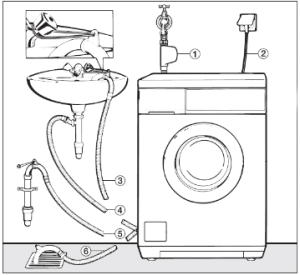 Now we need to connect the washing machine to water and electricity. Let's start with the latter.
Electricity
To connect the machine to the electricity supply, it is recommended to use special three-wire sockets. These are the sockets that have a ground connection. They are also called "European" sockets.
As we mentioned above, it's best not to use an extension cord. It's better to plug directly into a wall outlet. Better yet, provide a dedicated outlet for the washing machine, with its own circuit breaker and residual-current device (RCD). This will ensure maximum safety when using the washing machine.
Water
Once you've secured a safe electrical connection, we can move on to the water supply for our appliances. Typically, the washing machine is connected to cold water only. It has a built-in heating element that heats the water to the required temperature according to the selected wash program.
A proper water connection requires an additional tap. This is placed on the pipe. The inlet hose is then attached to it. Using this tap, you can shut off the water supply to the washing machine when needed. Most appliance manufacturers also recommend turning off the water supply when the machine is not in use.
Sewerage
Now all that's left to do is connect the washing machine drain. We recommend installing the drain directly into the sewer using a special trap. If this proves challenging, you can drain into the sink using the plastic hook included with the machine.
This hook should be placed on the end of the drain hose. This will secure the hose in its bent position. It can then be hung on the edge of the sink. Make sure the drain hose is securely fastened and won't fall off during the wash cycle.
If everything is in order, you can run your first wash. It's a good idea to observe the washing machine during the first run, especially if you installed it yourself.
Interesting:
Readers' comments
Headings
Washing machine repair




For buyers




For users


Dishwasher




Add a comment