
How to properly starch a shirt in a washing machine?
 Starching clothes used to be a common practice, as it gave them a particularly elegant and festive look. Housewives did this by hand, but today, washing machines can also do the job. We'll explain how to properly starch a shirt in a washing machine and other methods. What should you pay attention to to avoid ruining your clothes?
Starching in an automatic machine
Starching clothes in a washing machine couldn't be easier. But first, you need to prepare the solution. We'll explain how to make it below, but for now, let's focus on the specifics of starching in a washing machine.
- Place items (blouses, shirts, bedding, etc.) in the machine.
Important! If you're washing a small number of items, add white sheets or pillowcases to the drum to fill the load.
- Add detergent designed for whites. Add fabric softener or fabric softener if needed.
- Set the desired washing program.
- Turn off the spin cycle completely.
- When the wash is finished, there is no need to take the items out. Pour 1 cup of starch solution into the fabric softener compartment and run the rinse cycle again. This time you need to turn on the spin cycle, but at the lowest possible speed.
- Take out the items and hang them on hangers to dry.
Sometimes housewives complain that the starch solution doesn't flow well into the machine. In this case, pouring it directly into the drum can help achieve the desired effect.
We starch in the traditional way
You can also starch items by hand. To do this, you'll need a large pot for boiling, starch, and water. How to starch blouses?
- Place the starch in cold water. It's best to use a small amount, about ½ to 1 cup. Stir until smooth or strain through several layers of cheesecloth. If the starch has a grayish tint, let the solution sit for 10 to 20 minutes, then drain.
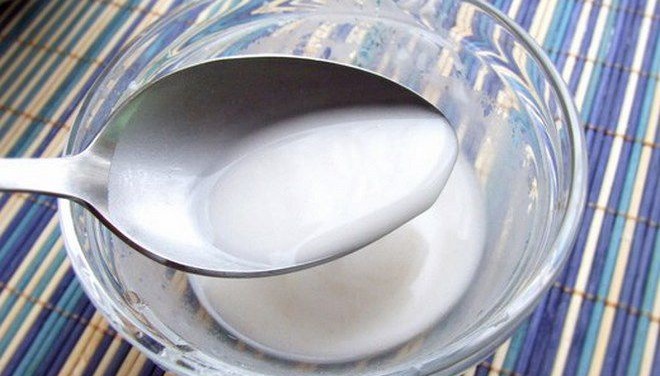
- Boil a liter of water in a saucepan and add the concentrate to it.
- Turn the heat to low and simmer for 5 minutes, stirring constantly. This will create a starch paste. If it's too thick, add more liquid until it's a slightly thicker consistency than water.
- Wait for the solution to cool.
- Rinse the garment in the resulting solution or let it soak for 10-15 minutes. Some housewives use a spray bottle for starching.
Please note: This procedure should completely saturate the fabric with the starch solution.
After starching, allow excess liquid to drain, but do not wring or twist the garment. Straighten the garments and lay them out to dry at room temperature. Blouses and shirts are best hung on hangers. Starched garments are difficult to iron, so iron them while the fabric is still slightly damp.
How much substance is needed?
The proportions for preparing the starch solution depend on the specific fabric you'll be treating. The finer and more delicate the material, the weaker the concentrate should be. The following starch to water ratio is used.
- A non-concentrated solution is suitable for chiffon, tulle, and cambric. Use 1 teaspoon of starch per 1 liter of liquid.
- A medium-strength solution is suitable for treating cotton and linen fabrics. It's prepared at a ratio of 2-3 teaspoons per 1 liter of water and is suitable for tablecloths, lace, napkins, etc.
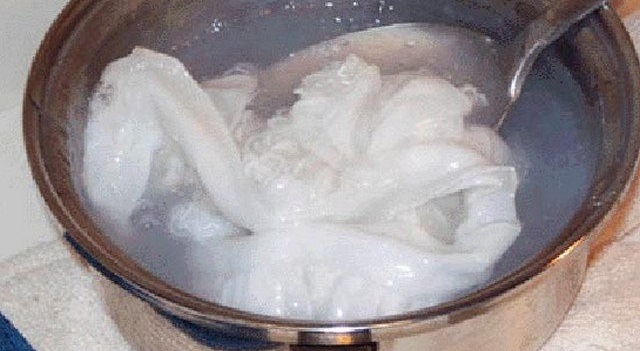
- A strong solution is necessary for treating collars and cuffs. To prepare it, you'll need 2-3 tablespoons of starch per 1 liter of water. The result will be a thick paste that should be applied to the fabric, carefully laid out on the surface. After this, the material is soaked with a clean cloth to remove excess starch.
Be sure to ensure there are no creases in the fabric, otherwise it will soak unevenly. For a shiny finish, you can add a little salt to the starch. Never starch items with embroidery floss. Not only will they tangle, but they will also fade excessively. If the iron sticks to your items after starching, add a couple of drops of turpentine to the solution next time.
Interesting:




Readers' comments
Headings
Washing machine repair




For buyers




For users


Dishwasher




Add a comment