
Drying the mattress cover in a tumble dryer
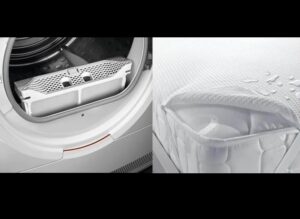 A modern tumble dryer is an indispensable tool in many households, as it allows you to dry a large amount of clothes quickly. However, not every item can be tumble dried, as the machine can seriously damage the item. This is why users regularly ask whether a mattress pad can be tumble dried. The answer is simple if the product still has the manufacturer's label. If not, there are several options, which we'll explore below.
Will the mattress pad be damaged in the dryer?
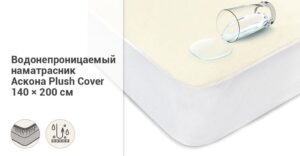
Mattress covers come in different types. Some are tumble dryer-safe, while others are not. For example, waterproof mattress covers from IKEA and some other stores have a special rubberized coating on the back. It tolerates washing in an automatic washing machine well, but the dryer may ruin it.
This happens because the rubber coating becomes covered in tiny cracks due to the strong flow of hot air. If you use the intensive drying mode during drying, the cracks will become even larger. After such an unsuccessful treatment, the mattress cover will begin to actively leak moisture, completely losing its waterproof properties.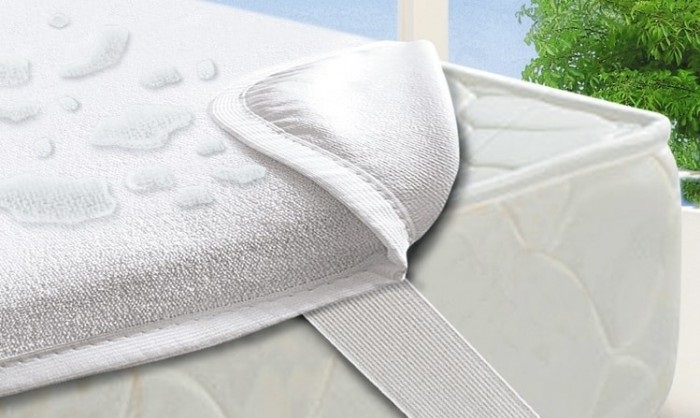
Dryer users often ignore manufacturer recommendations and attempt to dry mattress pads with waterproof layers in the machine anyway. In this case, they select the gentlest settings, such as "Synthetics in the Closet" and "Synthetics with Iron." However, even gentle settings don't guarantee the item will dry completely and without damage. Therefore, it's best to play it safe and dry such mattress pads in the shade, placing them in well-ventilated areas.
If we're talking about regular synthetic mattress pads without a waterproof coating, they can be dried automatically. Simply set the cycle for synthetics to ensure smooth drying.
What items are not recommended to be dried in the dryer?
There's a whole list of items that should not be tumble dried. This is not only because the items may be damaged during the drying process, but also because they could damage the dryer itself. Carefully review this list to prevent any potential accidents.
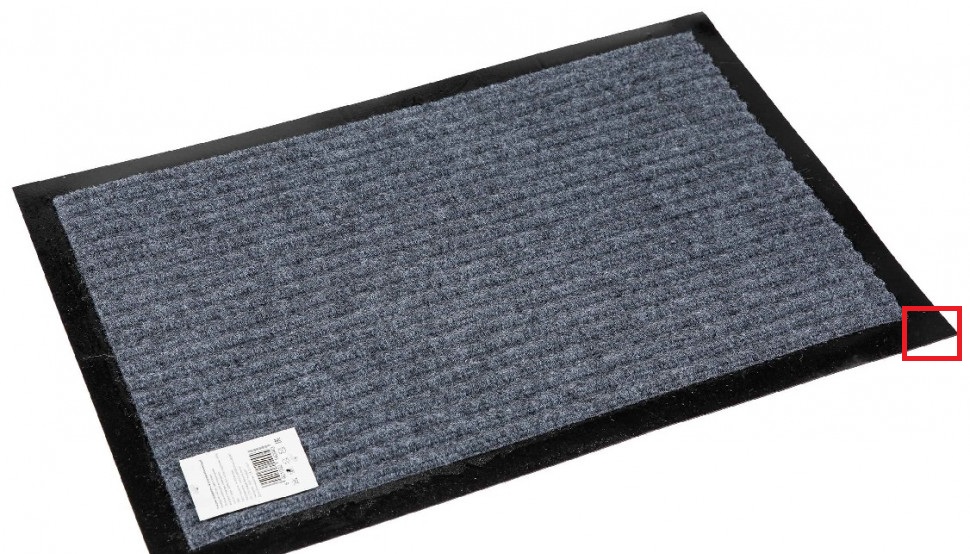
- Rubber-backed mats. These items are designed to protect rooms from dirt and moisture, so they are usually placed at the entrance. They can be machine-cleaned, but avoid tumble-drying them because the high temperatures during the cycle will melt the rubber backing. This is also not recommended because the mat may decompose, posing a fire hazard. Therefore, avoid tumble-drying mats with a rubber backing or other rubber-based items, such as sneakers with rubber soles.
- Dryer sheets. They are made from natural ingredients with pleasant fragrances to eliminate unpleasant odors from laundry during drying. Due to their organic composition, these sheets are environmentally friendly, completely decomposing in just three weeks. However, they can damage your dryer, as organic particles from the sheets remain in the dryer's filter, reducing its efficiency and complicating lint removal due to the organic matter that partially adheres to the lint. Additionally, the sheets can promote mold and mildew growth due to water that accumulates in the dryer over time.
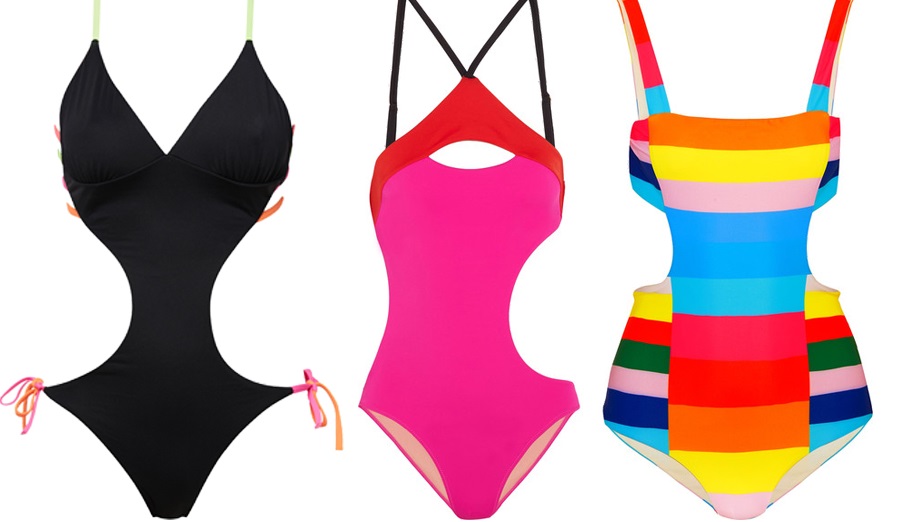
- Sand-covered items. This applies to items that need to be dried after a trip to the beach, such as swimsuits, trunks, shorts, towels, and so on. The problem is that sand particles from the clothes get stuck in the dryer tumble dryer, where they remain for weeks or even months, getting onto all the clean clothes the user is trying to dry. Furthermore, sand can damage the tumble dryer, requiring complex, expensive repairs.
Be sure to thoroughly shake out all sand from your items after going to the beach before washing or drying them in a household appliance.
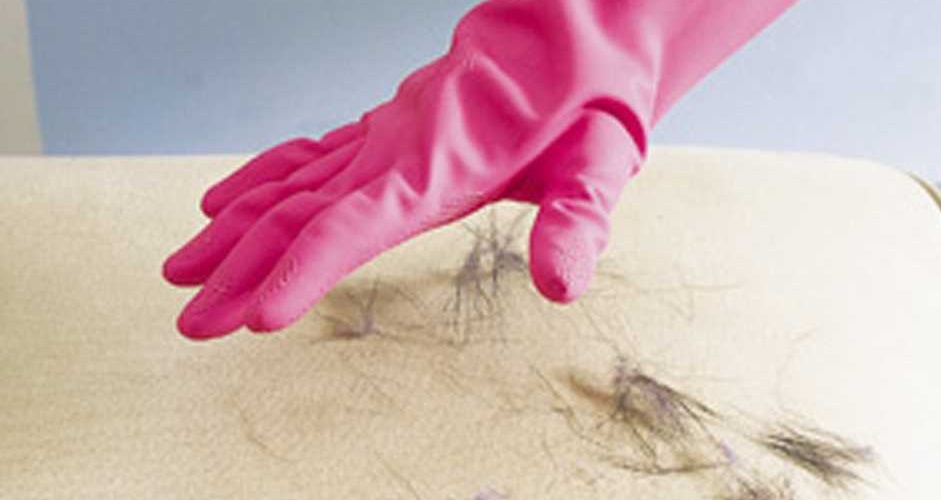
- Clothes with animal hair. Any items containing cat, dog, or other hair pose a danger to the dryer, so do not load them without first cleaning them. This is because with each cycle, animal hair will be drawn into the lint trap and vent, negatively affecting the drying speed of the clothes and potentially causing a fire in the dryer. Therefore, to reduce the risk of accidents and maintain the dryer's efficiency, always remove all hair from the clothes first, for example, using a lint roller, before drying.
- Items with paint and varnish. This item is only for those working with paint and varnish materials, such as during home renovations. If your work clothes or other clothing become soiled during renovation work, you can try washing them in the washing machine, but do not try to dry them in the dryer. This is very important because paint should never be allowed to penetrate into the dryer, as paint and other flammable materials can cause a serious fire and subsequent fire. In this case, instead of restoring your home, you will only get damage to it.
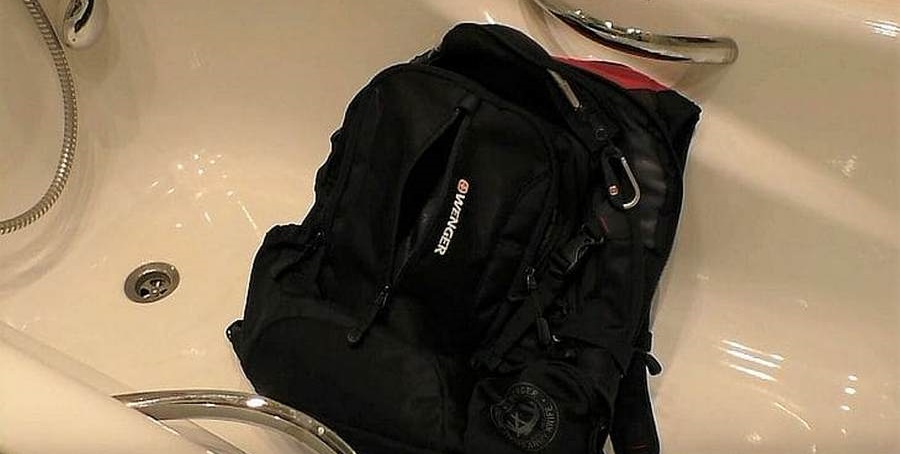
- Sports backpacks and bags. These items often absorb a lot of unpleasant odors over time, so it's only natural that they need to be washed and dried. However, tumble drying is recommended, as only cotton backpacks and bags are suitable for this purpose. Most other materials commonly used for sports equipment will simply melt and become completely unusable in the dryer.
- Leather items. Even faux leather clothing falls into this category, as this delicate material cannot withstand the excessively high temperatures of a tumble dryer. Under such conditions, suede and leather will simply crack and deform, regardless of whether they're faux or not.
- Silk, lace, and other delicate items. Fine clothing made from delicate fabrics requires the utmost care and should not be tumble dried. Failure to do so can result in the tumble dryer creating numerous creases, or, at worst, tearing the garment. To prevent rips, zippers, or wrinkles, it's best to hang the garment on a clothesline or lay it flat to dry.
Memorize this list or print it out for yourself so you never forget and don’t accidentally damage your favorite things.
Interesting:

Readers' comments
Headings
Washing machine repair




For buyers




For users


Dishwasher




Add a comment