
Electrolux washing machine not filling with water
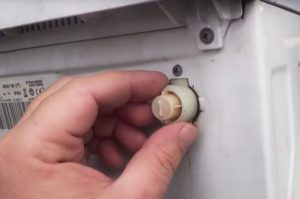 Sometimes, after starting a wash cycle and eventually approaching the machine, housewives are surprised to find that the cycle hasn't started, and the laundry in the drum isn't even wet. The first question is: why isn't the machine filling with water? This problem could be explained by anything from a simple blockage to a malfunction of one of the machine's most important components. Let's figure out what to do in this situation and how to get your Electrolux washing machine working properly again.
Range of possible problems
First, check to see if any water is entering the system. To do this, remove the tray—if the powder is wet, there's flow. If the granules are dry, the system isn't filling at all.
Turn on the tap—your cold water supply may have been shut off. If that's not the case, you'll have to look for the problem within the washing machine itself. The problem could be hidden in a number of places.
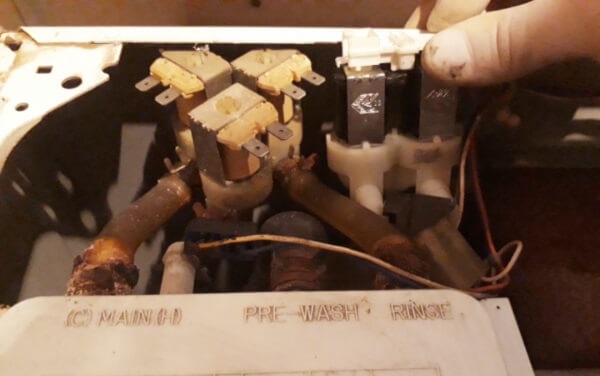
- The inlet valve isn't working. This is the part you should check if you find dry powder in the cuvette. Checking this part requires some skill: you'll need to apply 220 volts to the water intake valve. If the element "clicks," it's working properly. If there's no response, it will need to be replaced.
- The filter is clogged. At the inlet of the machine, before the solenoid valve, there's a special "mesh" designed to filter the liquid and prevent debris from entering the system. When it becomes clogged, water can't get through. In this case, the machine makes an unusual "buzzing" sound as it tries to fill the tank.
- A faulty water level sensor. Sometimes, the pressure switch, even with the tank empty, signals the "brain" that there's enough water in the system. The control module shuts off the inlet valve, preventing fluid from entering. To check the element, remove the top housing cover. Once you've located the sensor (it looks like a washer), detach the tube from it and blow into it. A functioning pressure switch will click. Sometimes this blowing can help repair the component if the hose is clogged with dust or other debris.
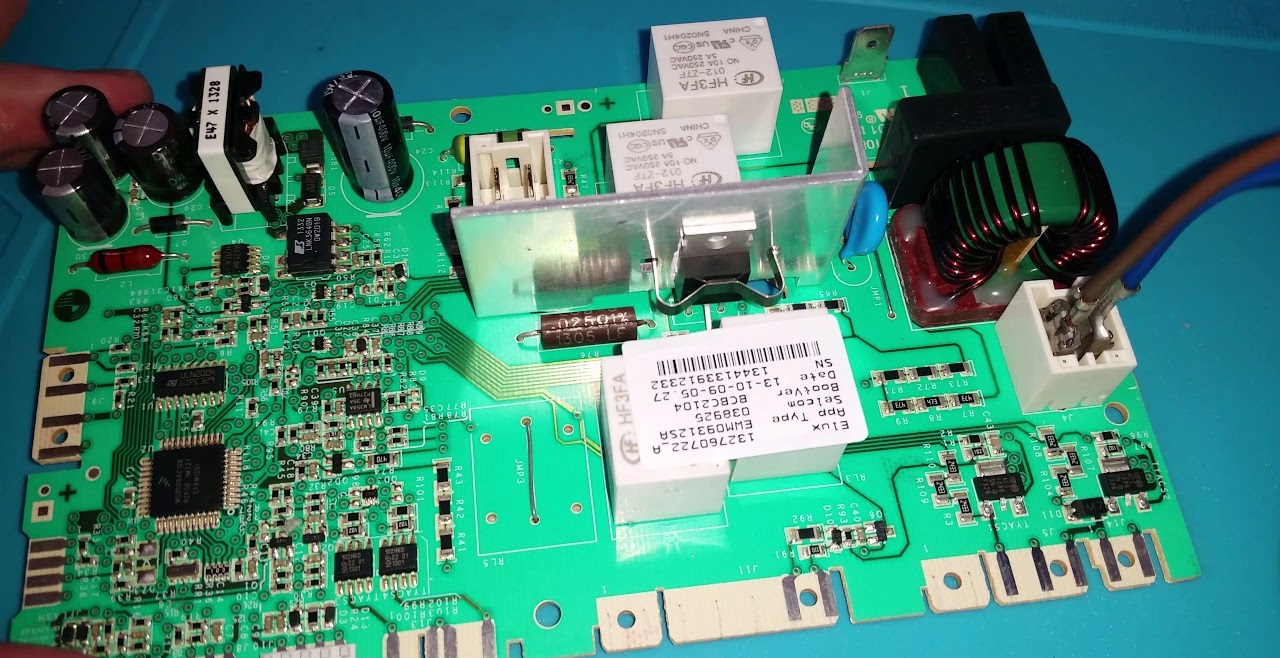
- A damaged control module. A broken circuit board is extremely rare, but it's still possible. If this happens, it's best to call a technician experienced in electronics. They'll determine whether repairing the microprocessor is necessary or whether a new one is better.
- A burnt-out pump. If the pump doesn't signal that it's ready to drain at the very beginning, the control module won't start the wash. Repairing the component is usually not practical; it's better to install a new pump to replace the faulty one.
Modern washing machines are equipped with a self-diagnostic system. You can run the service mode, and the machine will display an error code that will narrow down the possible faults. According to statistics, the washing machine is used more often Electrolux It cannot draw water precisely because the valves are damaged or the filter and pipes are clogged. In isolated cases, the cause is a damaged microprocessor or a burnt-out pump.
Check that the hatch is tightly closed - if the system is not sealed, the intelligence will not begin filling the tank with water.
It's also a good idea to inspect the tube leading from the pressure switch. Even small cracks on its surface can impair the operation of your Electrolux washing machine. Let's look at where to start checking and what safety precautions are important to remember.
Mandatory initial steps
If your Electrolux washing machine is still under warranty, it's best to avoid repairs at home and instead call a service center. Specialists will come to your machine for diagnostics and perform the necessary repairs.
If the warranty has long expired, you can try to troubleshoot the problem yourself without calling a technician. Troubleshooting progresses from simple to complex. First, make sure there's definitely water flowing through the pipes. The water supply may be shut off. If the pipes are working properly, you'll need to check the washing machine.
Before starting diagnostics, be sure to de-energize the equipment and turn off the water supply tap.
Remember how the machine behaved the last time you started it. If you heard a distinct "buzzing" sound when it was trying to fill with water, check the inlet hose. Inspect the tube for cracks; it may be kinked.
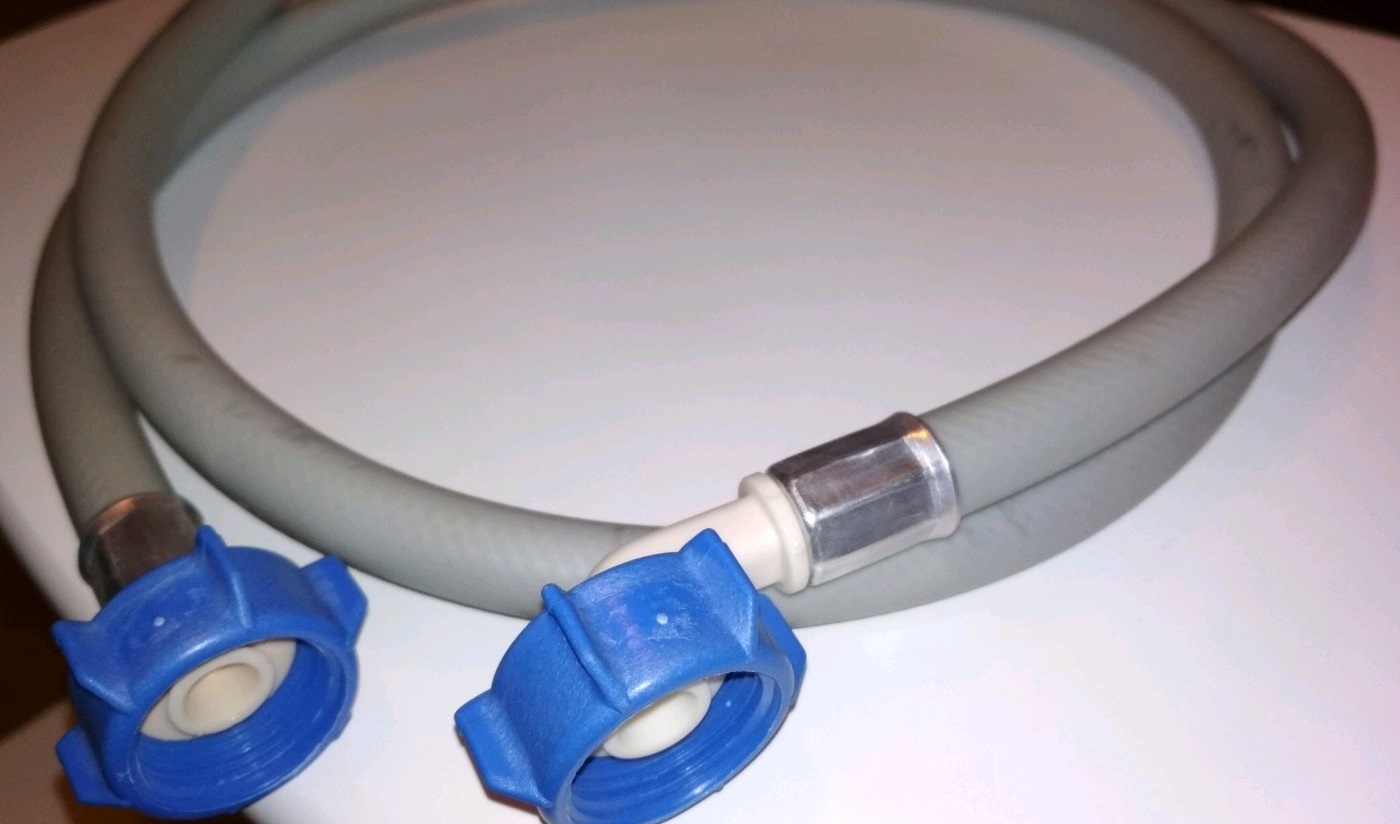
If everything is in order, you need to access the inlet filter. The mesh becomes clogged with debris over time and doesn't allow even a drop of liquid to pass through. Here's how to do it:
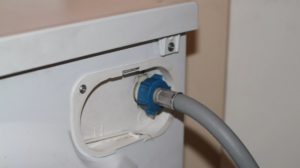
- detach the inlet hose from the rear wall of the housing;
- inspect the inside of the intake valve, find the mesh;
- Use pliers to grasp the filter;
- Pull the mesh out of the valve with force;
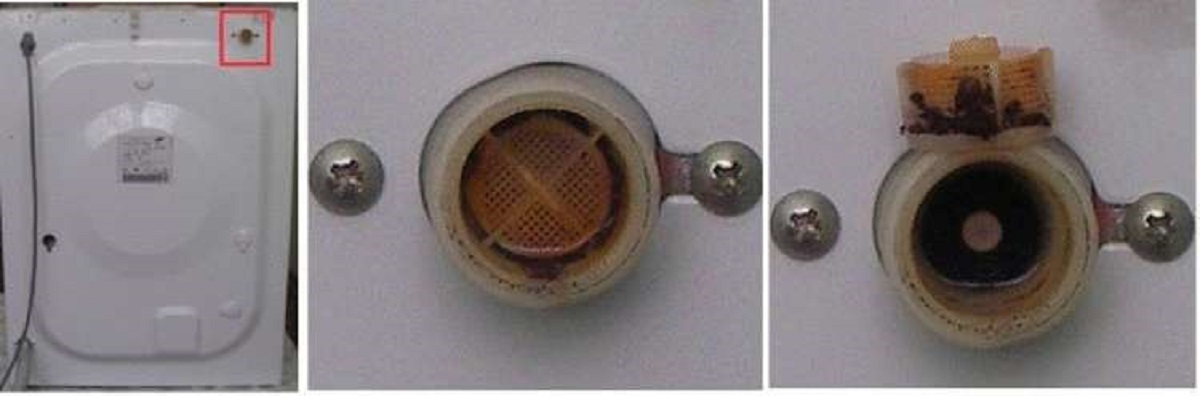
- clean the perforations using a toothpick or needle, then rinse the filter in warm water;
- put the filter element back.
If your machine has a deep filter installed before the inlet hose, it should also be checked. It's located immediately after the shut-off valve. Not only does the element become clogged with debris, but it can also be damaged by scale buildup.
To remove the deep cleaning filter, you'll need a pair of wrenches. Use the first to support the joint, and the second to loosen the mounting nut. Place a deep basin next to the pipe and run water into it under high pressure. The stream will help clean the element. Then, simply replace the nut and check for leaks.
The valve does not open, the heating element short-circuits
In most cases, the machine won't fill with water because the inlet valves aren't working. These components can't be repaired; only replacement will solve the problem. What can be done to fix the problem?
First, it's worth purchasing replacement intake valves. It is important to purchase components that are suitable for your specific washing machine. Electrolux. To avoid mistakes, you can remove the components, take them to the store, and find replacements. The next steps are as follows:
- Detach the inlet hose from the washing machine. You can drain the water into a bathtub or basin;
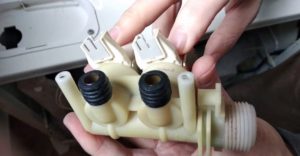
- Unscrew the screws holding the top of the washing machine. Remove the panel;
- Take a photo or record a video of how the wires are connected to the coil;
- pull the wiring out of the connectors;
- Use pliers to detach the hoses from the terminals;
- loosen the bolt that secures the valve;
- remove the non-working part from the machine;
- Place a new water intake valve into the “nest” and secure it with a screw;
- reconnect the hoses, insert the wires into the connectors;
- Make sure that all elements are connected securely and correctly;
- secure the top wall of the housing, connect the inlet hose;
- Check if the washing machine starts working (by activating a test cycle with an empty drum).
Oddly enough, a faulty heating element may be the cause of a tank not filling. Inspect the element for scale buildup or signs of damage. It's also a good idea to run diagnostics. The procedure for replacing a tubular heater is as follows:
- remove the top panel of the case by unscrewing the bolts holding it;
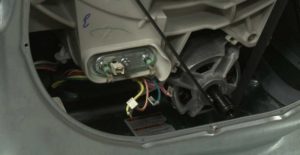
- remove the back wall, also unscrewing all the screws around the perimeter;
- Find the heating element. The heater is located underneath, behind the drive belt;
- Take a photo of the wiring diagram for the element;
- Use pliers to disconnect the thermostat and ground contacts from the heating element;
- unscrew the central nut that secures the heating element;
After removing the heating element nut, press on the stud so that it falls slightly into the tank.
- grab the tubular heater and, using rocking movements, pull it out of the “nest” together with the rubber gasket;
- treat the rubber cuff with washing gel, insert the seal back;
- install a new heating element, tighten the fixing nut;
- connect the previously reset contacts and wires, connect the temperature sensor.
If no problems are found after checking the valves, filters, and heating element, inspect the door lock. When the lock is damaged, the machine does not close properly, preventing the "brain" from signaling the machine to fill with water. You should disconnect the power again, use a multimeter, and test the locking mechanism.
Sometimes the problem is much deeper than it seems at first glance. If the electronics are damaged, it's best to entrust the repair to a professional. Messing around with the washing machine's internals without the necessary knowledge is not a good idea.
Interesting:


Readers' comments
Headings
Washing machine repair




For buyers




For users


Dishwasher




Add a comment