
The door of the Gorenje washing machine won't open.
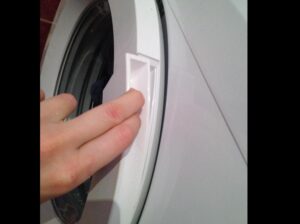 A Gorenje washing machine remains locked for some time after the wash cycle ends—the electronic lock is released only after 2-3 minutes. The door locking system must be activated, or more precisely, the bimetallic plate inside must cool. Only then can the user open the drum door and remove clothes. If the door of a Gorenje washing machine doesn't open even after 15-30 minutes from the end of the program, there's a malfunction. The cause of the problem must be investigated by checking the machine's drainage system, as well as the door lock, door locking system, and control board.
How to take things from the machine?
With a locked drum full of wet laundry, troubleshooting and repairs are impossible. First, you need to empty the washing machine. If 15-30 minutes have passed after the wash cycle and the door handle still won't budge, you'll need to take emergency action.
The tactics depend on the situation. If the Gorenje washer stops with a full tank, drain the wastewater into the sewer before opening the hatch. Most likely, the circuit board won't activate the door lock due to liquid remaining in the machine. First, try running the appropriate programs: "Rinse," "Drain," or "Spin."
The Gorenje washing machine will not open if there is water left in the drum after washing.
If your washing machine is trying to drain, humming, but failing to do so, you should check the drainage system. The pump may be broken or there may be an internal blockage. Carefully inspect the drain hose, which often becomes clogged with debris or pinched by a heavy object. In the first case, you'll need to clean the corrugated hose with special cleaners; in the second, you'll need to remove any debris from the rubber.
Worse yet, if your Gorenje washing machine doesn't respond to new user commands and doesn't start draining, you'll have to abandon the automatic draining system and empty the tank manually. Here's the instruction:
- cover the surrounding area with oilcloth or rags;
- prepare a container to collect water;
- disconnect the machine from the power supply;
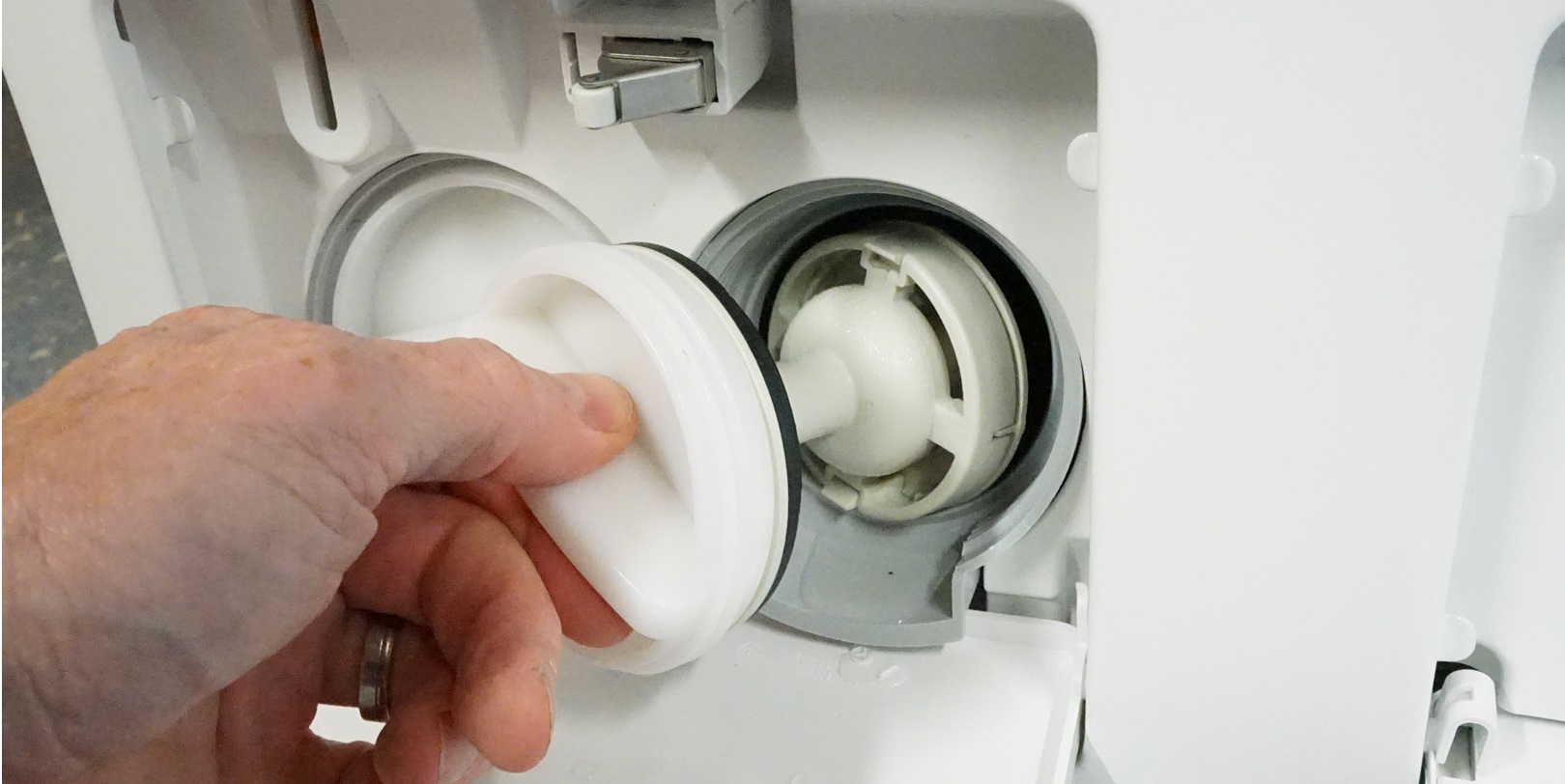
- use a screwdriver to pry up the technical hatch (it is located in the lower right corner of the case);
- find the drain filter - a black or blue plug;
- grab the protruding part of the filter;
- unscrew the nozzle, slowly removing it from its seat;
- collect water in a prepared container.
The empty washing machine can be opened. To force the door open, you'll need a long, thin rope and a knife. The rope should be threaded through the gap between the door and the machine body, pressing it in with the tip of the knife. Then, pull the rope back and forth until you hear the distinctive click of the lock. Then, simply press the door handle and open the drum.
To empty the washing machine automatically, you need to run the “Drain” or “Spin” programs.
If the rope and knife method doesn't work, another option is to access the lock through the top of the washing machine. Turn off the power and remove the screws holding the top cover. The machine's body will then tilt back, causing the drum to detach from the front wall. Through the resulting gap, you can reach the door lock by hand, locate the locking tab, and slide it to the off position. This will open the door.
Why did this happen?
Residual water after a wash isn't the only reason why a washing machine door stays closed. A number of other issues can also cause the machine to remain locked. These include:
- mechanical damage to the door (the door handle or hinges are broken, the lock is out of order);
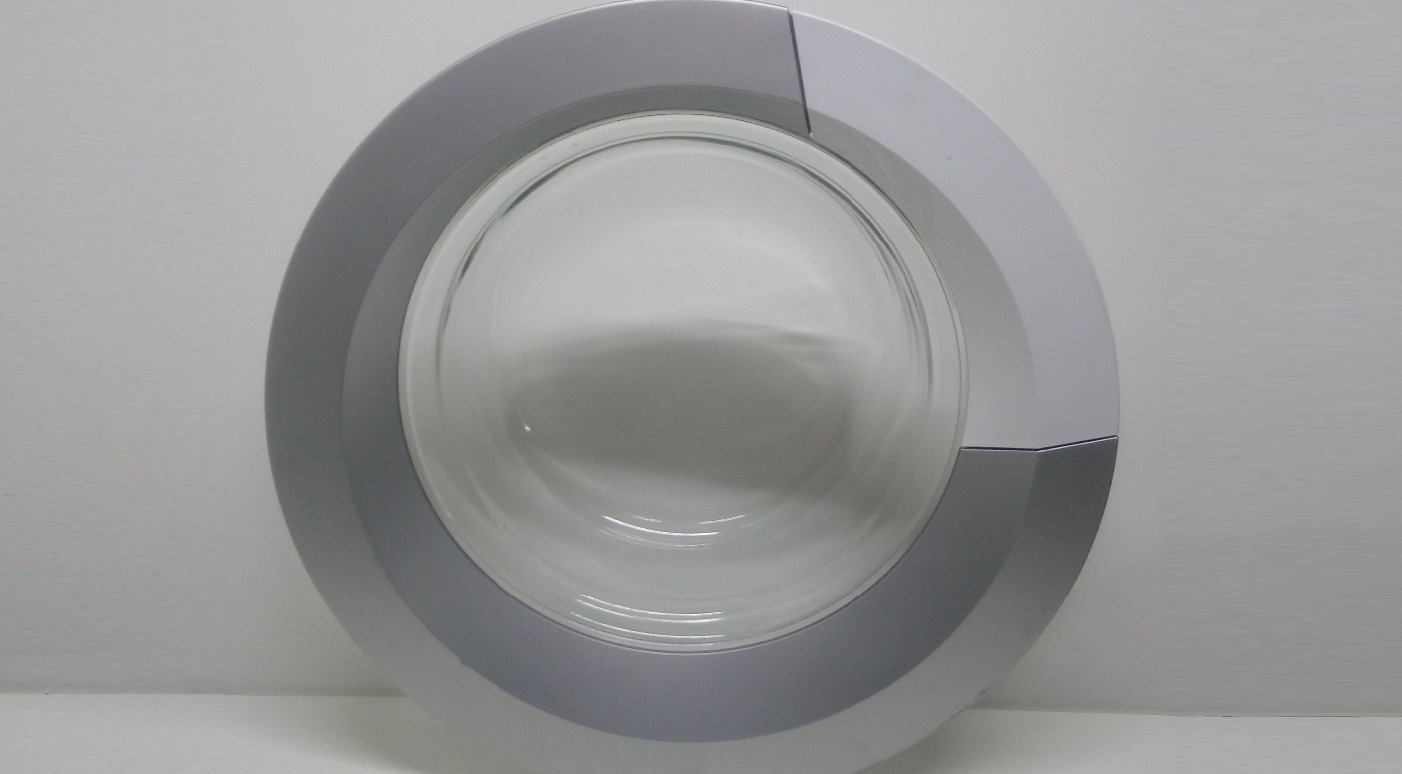
- malfunction of the UBL (natural wear of the bimetallic plate or clogging of the device);
- electronic failure (possibly the pressure switch is not working correctly, showing that the tank is full when in reality it is empty);
- control board failure (Gorenje's "brains" do not give the door lock a signal to open the door).
We strongly advise against testing or repairing the control board yourself – it is too complicated and risky!
To determine the cause of a persistent blockage, it is necessary to check all possible faults sequentially. Diagnostics begins with an inspection of the door and ends with a test of the control board. If you're unable to test the machine yourself, we recommend contacting a service center. This is especially true if you suspect a problem with the control module firmware.
Perhaps there is a problem with the lock?
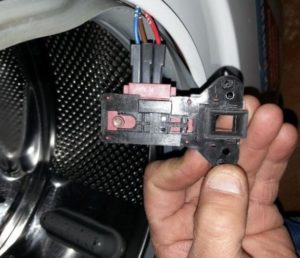
In most cases, problems with door closing are caused by the door locking mechanism. The device's components wear out over time and stop responding to electrical current, which affects the operation of the entire machine. To check the door locking mechanism, you must first remove it from the housing. Here's how:
- disconnect Gorenje from communications;
- open the hatch;
- loosen the outer clamp on the cuff;
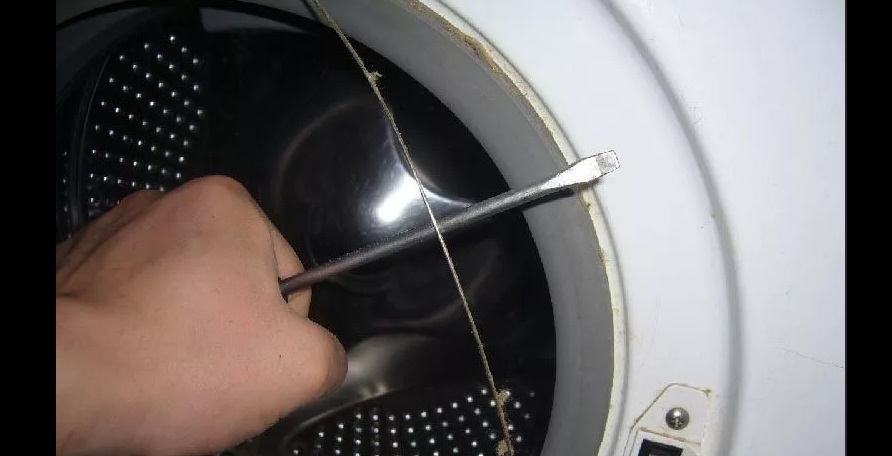
- we insert the rubber band into the drum;
- pay attention to the gap between the front panel and the drum – the locking mechanism will be visible there;
- unscrew the bolts holding the blocker;
- we disconnect the connected wiring;
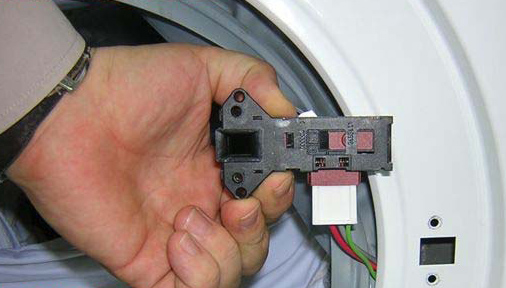
- We release the latches and take out the door lock.
To test the device, or more precisely, its thermocouple, you'll need a multimeter and a wiring diagram for the lock. Set the tester to "Resistance" mode, touch the probes to the live and neutral wires, and then check the display. If a three-digit number appears, everything is OK. Next, move one clamp from the live wire to the common relay and repeat the measurement. The numbers "0" and "1" indicate a malfunction.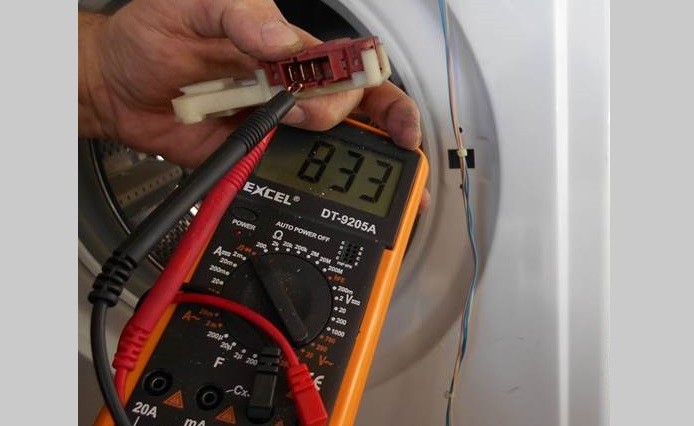
Repairing the door lock is pointless—it's easier to buy and install a new one. A working device is secured in the "socket," connected to the wiring, then the cuff and clamp are replaced, and a test wash is started.
Interesting:
Readers' comments
Headings
Washing machine repair




For buyers




For users


Dishwasher




Add a comment