
Why doesn't the washing machine detergent foam?
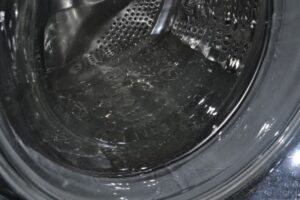 Some housewives encounter a strange phenomenon: their washing machine detergent doesn't foam. Sometimes the pattern is unclear: some detergents produce a lot of foam, while others are barely noticeable in the water. As a result, it seems like too few granules are used, and clothes don't wash well. The issue of foam isn't so simple – sometimes a lack of foam indicates poor quality or insufficient quantity of detergent. To avoid making a mistake, let's take a closer look at all the nuances of soap.
Why is there no foam?
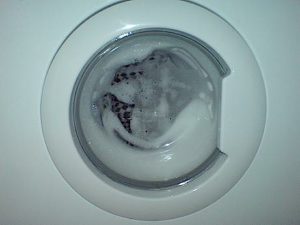
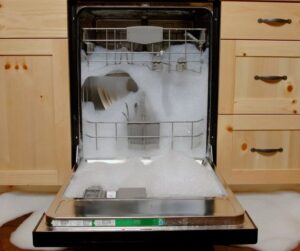
Everyone is accustomed to the fact that washing powders produce a lot of foam when hand washing, making cleaning easier. However, using such detergents in a washing machine is not recommended—excessive foaming is detrimental to the machine. There are many reasons for this: soap will leak from the drum onto the body and floor, and clothes won't have time to rinse. Therefore, special concentrates with antifoaming agents are produced for washing machines.
Surface-active agents, or surfactants for short, are responsible for foaming and removing dirt. The more of these components a detergent contains, the better the lather and the faster the stain removal. There's just one caveat: soap solutions contain various electrolytes, which increase the liquid's electrical conductivity to critical levels. If there is too much foam in the drum, it will spill out and end up on the dashboard or other system components. As a result, a short circuit will occur and the equipment will break down irreparably.
Powders for automatic washing machines must contain special antifoaming agents.
Avoiding surfactants is essential, as otherwise the dirt won't be removed. Chemists have found an alternative: adding defoamers—substances that break down foam—to detergents. This way, the product remains effective and doesn't risk short-circuiting.
It's impossible to claim that low foaming indicates high-quality detergent. Some unscrupulous manufacturers resort to deception: they don't add defoamers and instead reduce the concentration of surfactants. Such formulations don't foam, but they also don't clean effectively. If the detergent doesn't foam, it's best to test the concentrate's quality experimentally: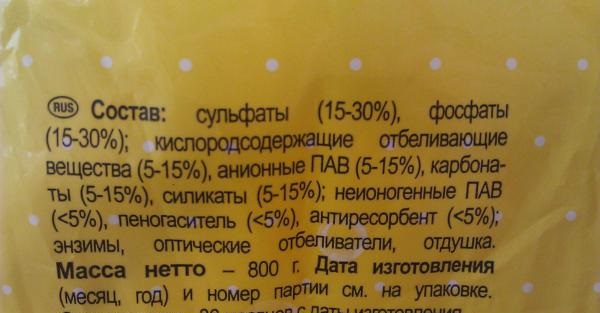
- wash by hand, assessing the effectiveness of the composition and the speed of stain removal;
- dissolve the concentrate in water;
- watch how the product is washed out of the tray.
Determining the quality of a detergent by its foaming power is ineffective. It also contains other components that also affect stain removal. The effectiveness of a concentrate can only be fully assessed in a laboratory through extensive testing. It's absolutely essential not to add highly foaming detergents to the litter tray.
What are the dangers of regular washing machine powder?
Some housewives quickly scan the ingredients of washing powder and mistakenly conclude that hand and machine detergents are absolutely or relatively identical. Consequently, they are encouraged not to overpay for special concentrates, but to simply use cheaper, effective detergents. This misconception often results in equipment failure.
Yes, the composition of washing powder for hand and machine washing machines is indeed similar—chemists use the same ingredients. But there are differences, only professionals can "see" them. Thanks to the correct dosage and additional additives, concentrated detergents for machine washing machines produce less foam, dissolve more slowly, rinse out better, and are gentle on appliances.
Regular washing powder is dangerous for your machine—it lacks some essential components. Due to their poorly formulated formula, these products foam excessively, dissolve quickly, and increase limescale and soap scum buildup. Let's break down what's missing and what's unnecessary.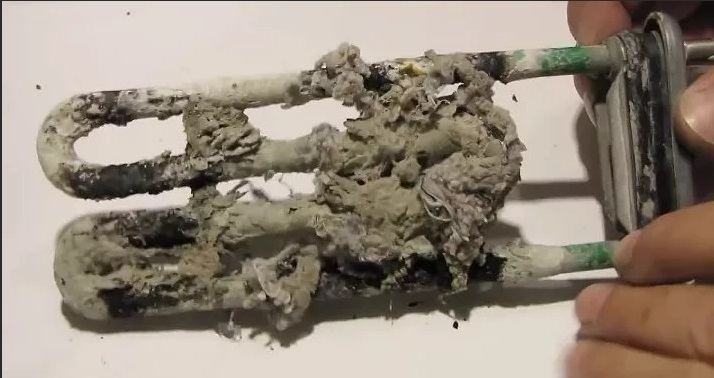
- Foam. Washing powders for automatic machines are always supplemented with defoamers for the reasons described above. Hand washing, on the other hand, requires a lot of foam, so the formula includes foam-enhancing ingredients.
- Water softeners. Tap water is extremely hard due to the presence of salts, calcium, and magnesium. These impurities are harmful to appliances: scale forms on the internal parts of the machine, particularly the heating element. The layer of limescale deposits causes the heating element to perform poorly, consume more energy, or even break down. Therefore, washing machine powders are often supplemented with water softeners.
Washing powders for automatic washing machines are often supplemented with softeners and components that prevent the deposition of plaque and dirt.
- Soap deposits. Hand washing detergents often contain added care ingredients, oils, and fats to protect your hands from harmful surfactants. This can be detrimental to a washing machine: these ingredients settle on the hoses and components, accelerating the buildup of dirt and grime. This can severely damage the machine's drainage system, leading to complete clogging.
- Dissolution speed. A standard concentrate dissolves quickly in water, which is important for hand cleaning. In a washing machine, a high reaction speed isn't necessary—the product won't have time to remove dirt from the fibers and will be washed down the drain. The detergent will be wasted, and your clothes will remain soiled.
- Limescale buildup. Expensive washing powders for automatic machines have formulations optimized for the machine's performance. These include added substances that prevent soap, limescale, and dirt from settling on the drum, pipes, and heating element. At high temperatures, they work against limescale and grease deposits, protecting the heating element and hoses from clogging. Conventional concentrated detergents, on the other hand, can cause the washing machine to become clogged.
If the detergent doesn't foam, don't panic – automatic detergents shouldn't foam much. The key is that the concentrate removes stains, dissolves completely, and is from a reputable manufacturer. Then the chances of a counterfeit product will be minimal.
Interesting:
Readers' comments
Headings
Washing machine repair




For buyers




For users


Dishwasher




Add a comment