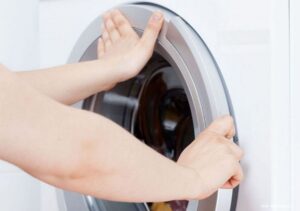
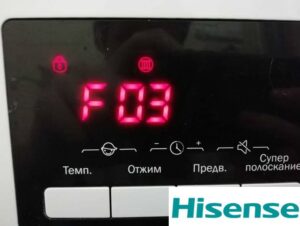
If the washing machine door doesn't close properly, washing won't work. The door simply won't lock properly—the electronic lock won't engage, the circuit board won't start the cycle, and an error code will appear on the display. Another possibility is that the wash cycle will start, but almost immediately water will spill out from under the glass. Washing with a leaky drum is prohibited—there's a high risk of flooding and short circuits. It's best to play it safe and, at the first sign of trouble, troubleshoot the cause.
We check the mechanics
If the door on your washing machine cannot close tightly, there is a mechanical problem. In simple terms, the lock components cannot be fixed in the intended grooves: the hatch has sagged, the lock itself or some of its components have broken. This happens for a number of reasons:
natural wear of the locking mechanism parts;
careless operation of the machine (slamming the hatch shut, pressing on the door, etc.);
manufacturing defect.
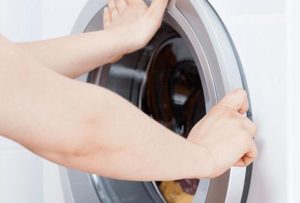
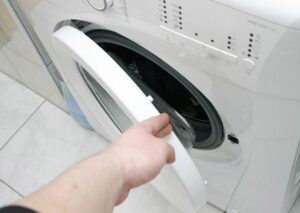
To understand the nature of the problem, it's necessary to assess the symptoms. First, let's look at why the drum isn't closing tightly. There are two possibilities: either the door isn't engaging, or the lock isn't working. In the first case, everything points to a misalignment of the hatch. More specifically, the side hinges are sagging, and the locking "tongue" isn't locking into the hole. This problem is resolved by leveling the door with a spirit level and tightening the fasteners.
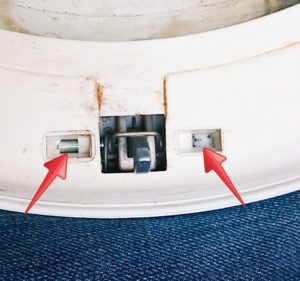
If the hinges are tight, but the washing machine still won't close, the problem is a misaligned latch. Most likely, the metal rod that locks the door into place has fallen out, causing the rod to drop below its proper level. To return the fastener to its proper position, you'll have to disassemble the door, locate the lock, and return all components to their original position. Sometimes, local repairs aren't enough, requiring a complete replacement of the door handle.
Modern washing machines do not start with the door open – the cycle is delayed, and a system error code is displayed on the screen.
There's a third possibility: the door locks into place and locks, but without a click. The absence of a click indicates a broken guide—a thin plastic plate. This is the last part to engage the guide and produce the click. The absence of a click indicates that the door hasn't locked properly.
the plastic "hook" is worn out, broken or sagging;
due to the skew, the guide did not fit into the intended groove;
the door did not close tightly.
Without the clicking sound, you can't start a wash cycle: the circuit board will cancel the program, or a leak will occur when the drum fills. The guide can't be repaired; it can only be replaced with a new one.
The lock doesn't work well
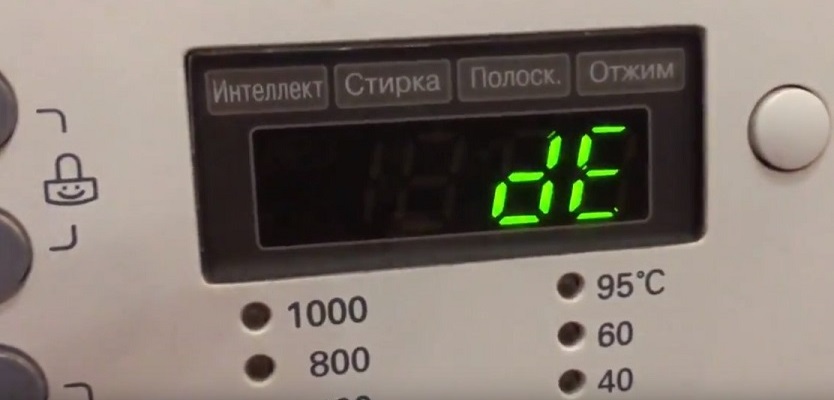
Often, problems arise not with the mechanics, but with the electronics. The first click is clearly audible, but the second, slightly muffled, is not heard. At the same time, the error code "dE" appears on the screen. The wash cycle doesn't start—the machine doesn't respond to the start button. This behavior is usually caused by a broken door lock.
The activation of the door lock is considered a necessary safety measure, protecting the user from accidental opening of the drum during the washing process. It provides double protection for the appliance. If the hatch does not close hermetically, the blocker will not be activated and the cycle will not start.
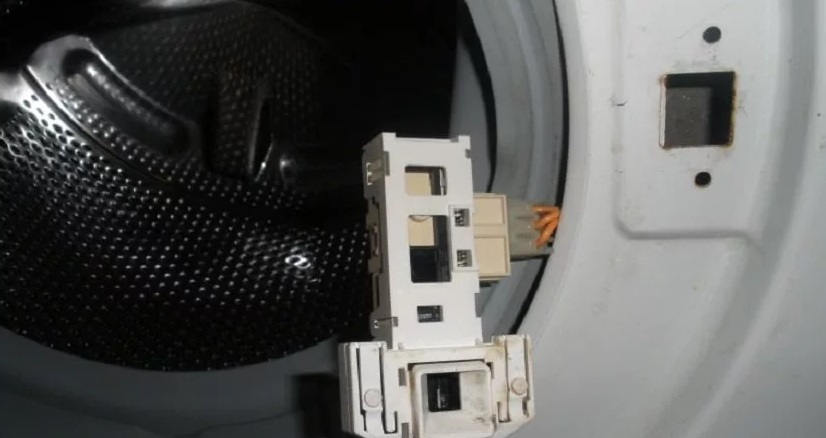
The electronic lock is not activated if the part is worn out or clogged, or if there is a problem with the washing machine's control board.
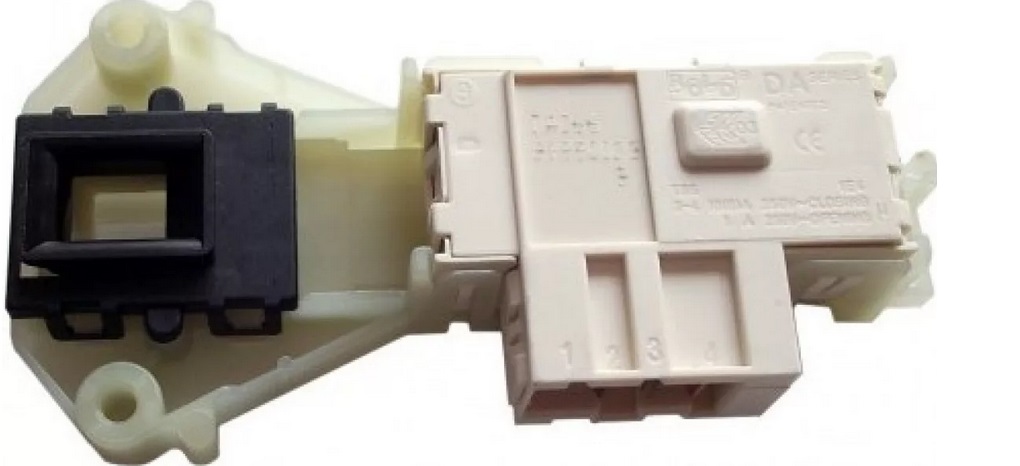
Often, the electronic lock is triggered not by an open door, but by the door lock itself. The device fails for a number of reasons, ranging from worn-out components to a faulty control board.
Natural wear and tear. The UBL consists of bimetallic plates that wear out over time and stop conducting electricity. The components cannot be restored; the entire locking system must be replaced.
Clogged. The locking device is not a sealed component, so during machine operation, debris such as dust and lint often gets into it. A clogged locking device will operate intermittently because its response to current is slow. This problem can be resolved by disassembling the part, cleaning it, and reassembling it.
A faulty board. The worst case scenario is when the locking system fails due to a lost connection with the electronic unit. The module's communication elements, the tracks leading to the component, or the microchips receiving the information are damaged. Sometimes firmware issues arise. Repairing the board will require testing it for proper operation, reconfiguring it, or replacing it entirely.
If the door lock stops working due to wear or clogging, you can repair it yourself at home. If the control board is broken, it's recommended to avoid risks and contact a service center. The electronic module is an extremely sensitive and complex system, and diagnostics should only be performed by professionals using specialized equipment. Any careless movement can irreparably damage the component, and a new module costs at least half the price of the washing machine itself.
We test and replace a broken lock
In most cases, you can fix the door locking system yourself. However, first, you should verify that the device is faulty. To do this, you need to remove the locking system and test it. Follow these steps.
Disconnect the washing machine from the power supply and water supply.
Open the door. Typically, a door lock malfunction occurs after it's activated, so the door is initially locked. To open the drum, unlatch the bottom panel, tilt the washing machine to the left, and, reaching into the opening, attempt to push the locking latch. You can also access the lock from above: remove the cover and tilt the machine back.
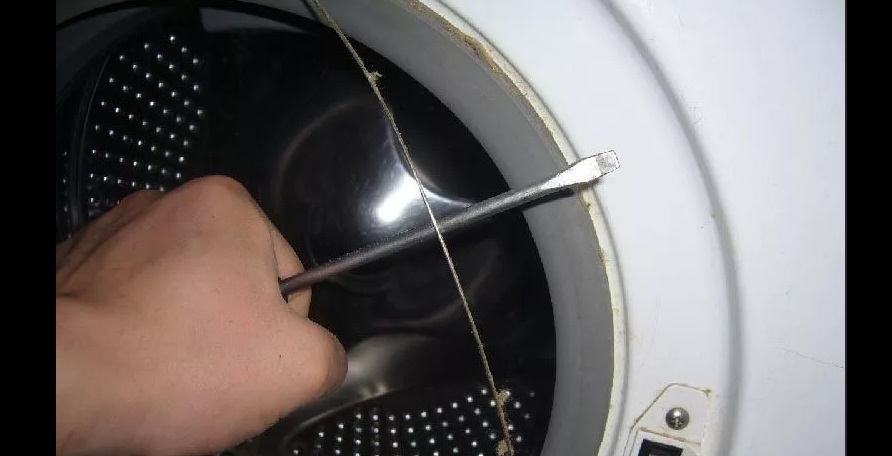
Remove the hatch cuff. Simply find the clamp and loosen it, then insert the rubber band into the drum.
We unscrew the bolts holding the locking mechanism.
It is recommended to record all manipulations related to dismantling the UBL with a photo or video to avoid errors during reassembly.
We disconnect the connected wires.
We take out the lock.
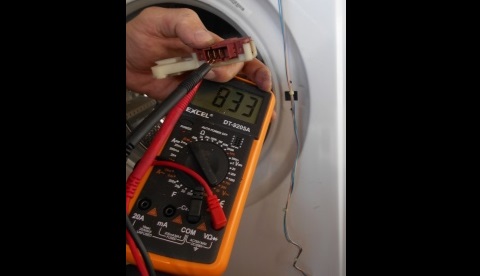
The removed door lock is tested for functionality. First, we recommend carefully studying the washing machine's manufacturer's manual, specifically the section on the lock's wiring diagram. Then, set the multimeter to the "Resistance" position, connect the alligator clips to the "neutral" and "live" terminals, and then observe the readings. If the tester shows a three-digit number, then the blocker is working properly. Other numbers will indicate a faulty component. Next, move the probes to the common relay and neutral terminals. If "0" and "1" are present, there's no need to worry; if the readings are different, replace the device with a new one.
Locking devices are considered non-repairable—it's much cheaper and easier to buy a new one. They're sold inexpensively; the key is to provide the seller with the washing machine's serial number. It's best to only buy brand-name equivalents, avoiding Chinese counterfeits.
Installing a new door lock is quite simple. Simply connect the wires, secure the locking device into the grooves, tighten the cuff, secure the clamp, and start the wash cycle. If the door clicks into place with two clicks, you've done it correctly.
The hatch rubber is damaged
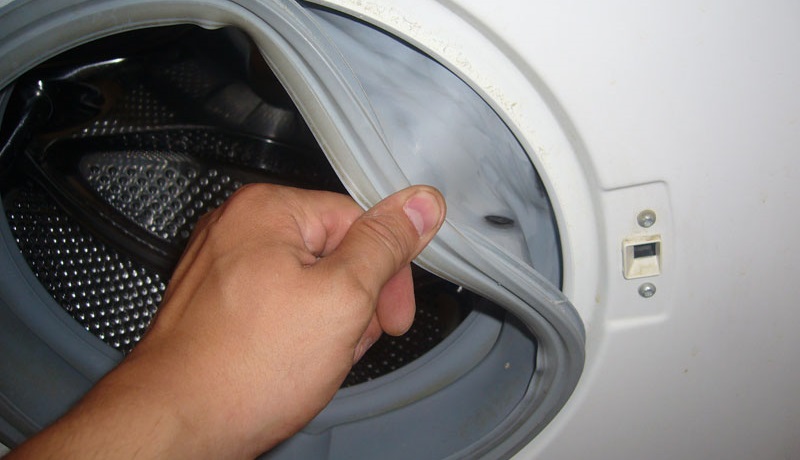
It's a different matter if the washing machine door doesn't close tightly, failing to provide the required seal. Most often, leaks occur due to damage to the seal—the rubber gasket that covers the drum. Over time, the rubber wears down and breaks, allowing water to leak through the cracks and holes.
It's important to check that the leak is coming from underneath the drum. The detergent drawer is often the source of the leak: small streams of water flow around the washer's dashboard, down to the door, and create the illusion that the problem is in the door seal.
A new cuff is selected according to the serial number of the washing machine.
If the cuff is the problem, you should inspect it carefully. First, look for chips, holes, and cracks, especially if the water leaks heavily. Then, feel the rubber surface for any ripples or hard spots. A seal that is too hard and wavy is also unable to ensure the tank is airtight. The damaged cuff is replaced with a new one:
the machine is disconnected from communications;
the hatch opens;
the outer clamp is loosened and removed (first it is hooked with a screwdriver, and then unscrewed with pliers);
the inner clamp is unscrewed;
the elastic band is pulled tight.
You can replace the drum yourself. The key is to proceed consistently and carefully. However, be prepared for some difficulties—the elastic band is difficult to tighten onto the drum. It's best to enlist the help of a helper.
Often, a leaking seal isn't caused by damage. Often, the cause is an object—laundry or debris—that's stuck between the door and the drum. It's a good idea to first carefully inspect the seal, insert items into the drum, and clean the seal.

 If the washing machine door doesn't close properly, washing won't work. The door simply won't lock properly—the electronic lock won't engage, the circuit board won't start the cycle, and an error code will appear on the display. Another possibility is that the wash cycle will start, but almost immediately water will spill out from under the glass. Washing with a leaky drum is prohibited—there's a high risk of flooding and short circuits. It's best to play it safe and, at the first sign of trouble, troubleshoot the cause.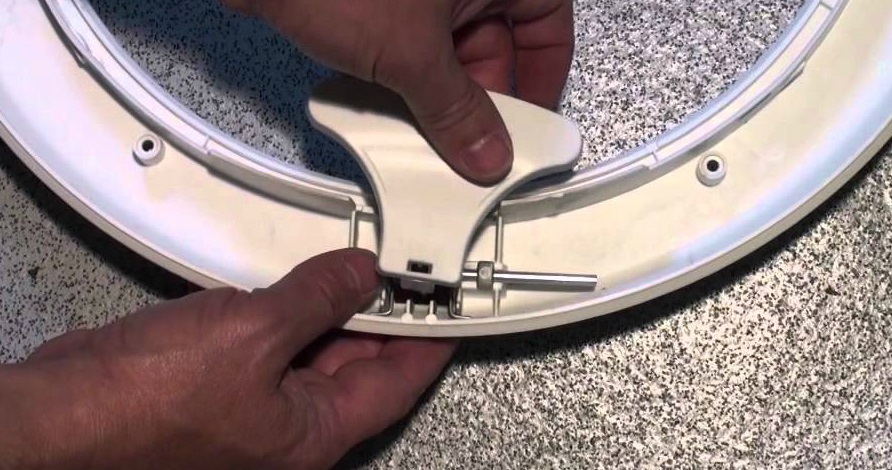














Add a comment