
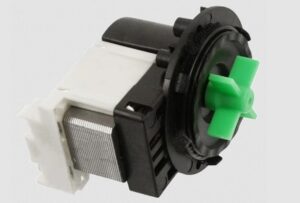
The drain pump in the washing machine is not working.
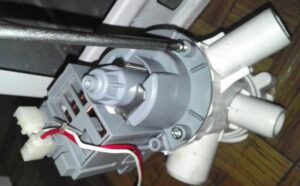 You can suspect a faulty washing machine pump based on several obvious symptoms. Sometimes the problem is limited to wet items in the drum, while other times the machine suddenly stops with a full tank of water. In either case, wash quality suffers, and the machine risks complete failure. Often, the pump is to blame for a blocked drain and needs to be repaired or replaced. But first, we'll diagnose the drainage system and determine the cause of the problem.
How does a pump malfunction manifest itself?
The machine stops draining for many reasons, and a broken pump is just one of them. It's not practical to immediately blame the pump and start repairing it. It's better to conduct a comprehensive drainage diagnosis and rule out any other possible problems. First, note the existing symptoms. The following signs indicate drainage problems:
- the corresponding error code is displayed (the machine's self-diagnostic system displays a code on the display, after deciphering which it will become clear who is at fault, the pump or another drainage element);
- the machine washes in standard mode, but stops before spinning;
- the pump does not turn on at all, the machine does not hum;
- the pump works without stopping, constantly humming;
- water drainage is carried out at a slow pace (instead of 2-3 minutes – 10-15 minutes);
- The machine drains intermittently, every other time.
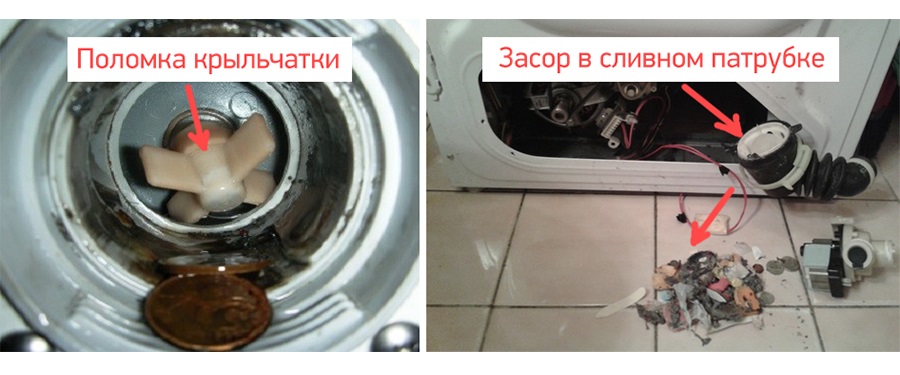
Diagnosis is complicated by similar "symptoms"—a breakdown or blockage in each drainage element manifests itself in the same way. To determine the cause of the malfunction, you'll need to inspect the drainage system sequentially, moving from the simplest to the most complex. The procedure is as follows:
- look at the control panel and make sure that the spin mode is turned on (some programs, such as delicate, wool, or hand, do not include spinning);
- check the set number of revolutions (it is possible that the drain mode was disabled by mistake);
- try to “reset” the error: turn on the spin cycle and start it;
- assess the condition of the drain hose (the hose should be located below the level of the tank and not be pinched or bent);
- feel the corrugated pipe to rule out blockage;
- Disconnect the drain hose from the sewer, turn on the drain and lower the free end of the corrugated pipe into a basin or toilet (it is possible that the problem is in the common riser).
The next step is to check the dust filter. Open the service hatch, unscrew the nozzle, and clean it of debris and scale. Immediately inspect the dust filter housing and shine a flashlight through the pump and impeller. The impeller blades are often blocked by tangled hair or thread.
Without reassembling the machine, start the spin cycle, return to the drain system, and check the impeller's performance. If the impeller remains motionless after starting the cycle, the pump is faulty. In this case, remove the pump and test it.
Is the pump difficult to access?
To check the pump for proper operation, you need to locate it. You can see the pump through the debris filter, but you can't touch it or inspect it closely. To do this, you'll need to get closer. The instructions for doing this vary depending on the washing machine manufacturer. On machines from Samsung, Candy, Ariston, Indesit, Beko, Whirlpool and LG pump can be accessed through the bottomThe algorithm is as follows:
- disconnect the washing machine from the utilities;
- drain the water by unscrewing the debris filter;
- remove the powder container and drain the water from it;
- place a blanket or carpet next to the machine;
- lower the washing machine onto its side.
Before repairing the washing machine, it must be de-energized and disconnected from utilities!
On Zanussi and Electrolux machines, the pump is accessed through the rear panel. Once disconnected from the power supply and water supply, the washing machine unfolds and releases the back panel. All that's left to do is locate the pump—it's located under the wash tub.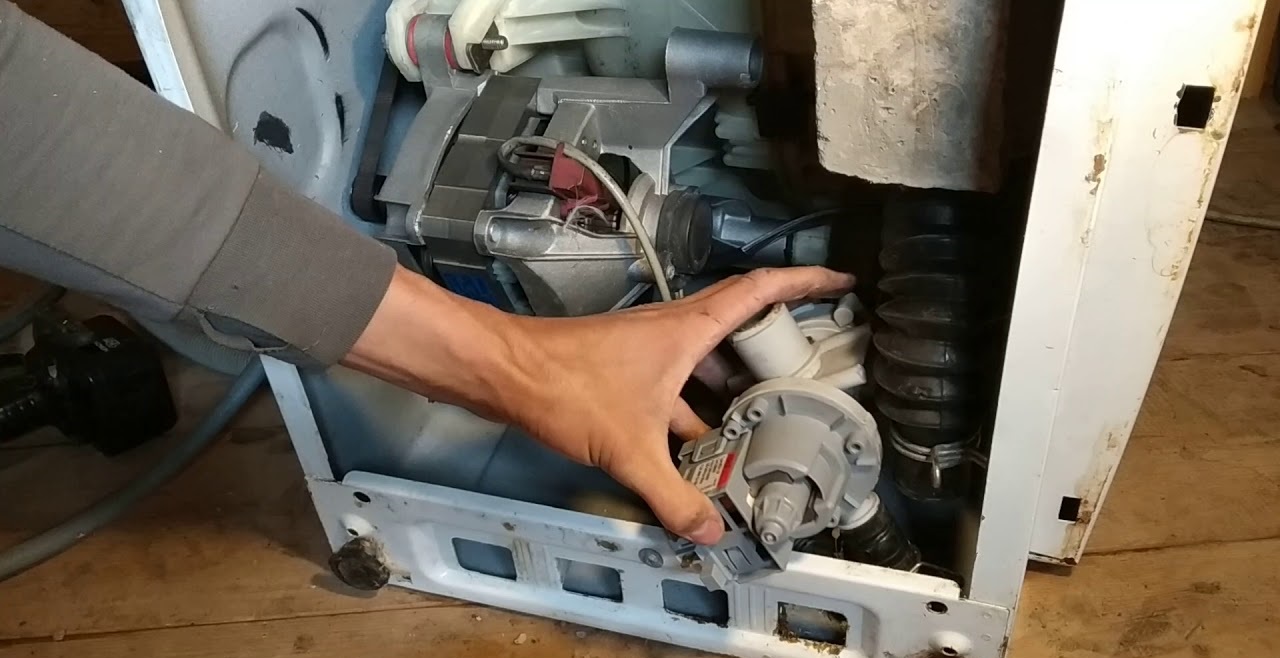
Bosch, Siemens, and AEG users face a more difficult situation, as the pump is hidden by the front panel. This requires partial disassembly of the machine: removing the top cover, powder receptacle, and control panel, inserting the seal into the drum, and disabling the locking system. Then, remove the end panel, gaining access to the pump.
Leak at the pump body or volute
If diagnostics reveal that the machine is leaking from the bottom, the pump is faulty. You need to access the pump and begin repairs. First, inspect the drain hose for damage, secure fit, and blockages. Sometimes clearing the hose is sufficient, but more often, replacement is necessary. Next, proceed as follows:
- disconnect the wiring connected to the pump;
- loosen the fasteners;
- we take the pump out of the machine;
- We inspect the impeller.
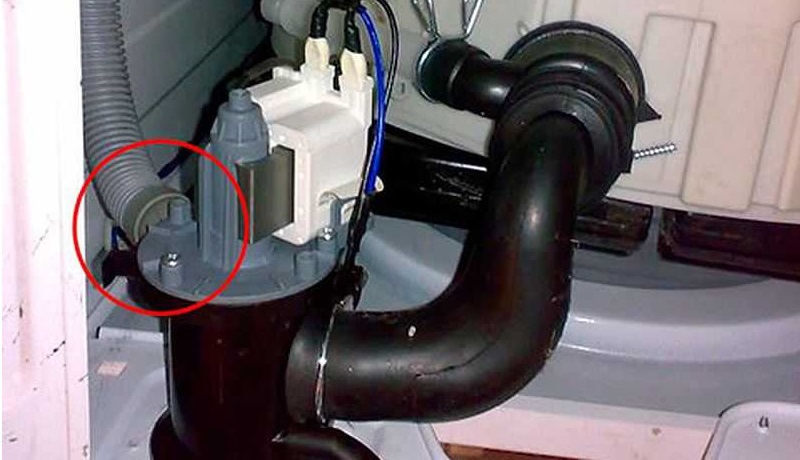
Most pumps are disassemblable: the cover can be removed by loosening the retaining bolts. The volute is then removed, and the unit itself is checked for leaks. Be sure to test the pump with a multimeter in ohmmeter mode.
The pump keeps pumping
It's a different matter if the pump runs constantly or doesn't turn on at all. In this case, the control board is often to blame, as it doesn't signal the pump to turn off or start. As a result, the machine remains silent or pumps water endlessly. Checking and replacing the module yourself is risky – it’s better to contact a service center.
The pump won't stop or won't start at all if the pressure switch is broken. A faulty level sensor incorrectly transmits information to the module, either under- or over-reporting the readings. As a result, the pump either doesn't know the tank is full or runs empty. You can check the pressure switch yourself. Simply remove the top cover, locate the device, disconnect the hose, inspect it, and clean it. If there's obvious damage, replace it.
Extend the life of your pump
Replacing a burnt-out pump is easy, but preventing it from breaking in the first place is even easier and cheaper. Pump failure is rare, especially if the machine is used correctly. The following recommendations apply: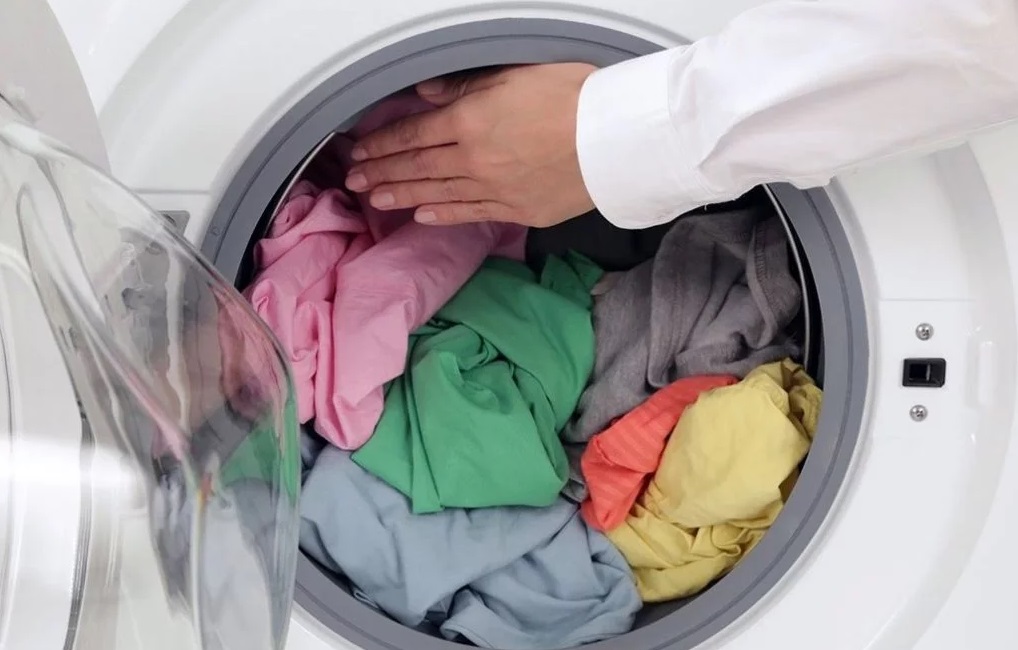
- observe the loading norm (if overloaded, the washing machine wears out, including the pump);
- check pockets before washing (forgotten garbage gets into the drain and clogs it);
- clean the washing machine regularly (once every 1-4 months);
- organize a filtration system (hard and dirty water reduces the life of the machine).
You can clean or replace the pump yourself. The main thing is to verify that it's not faulty and follow the instructions.
Interesting:


Readers' comments
Headings
Washing machine repair




For buyers




For users


Dishwasher




Add a comment