
Why isn't my dishwasher working?
 If your dishwasher suddenly stops running or refuses to turn on altogether, don't despair or worry. Chances are, the dishwasher isn't working due to a loose door, a clog, or some other minor issue. But don't guess—it's best to try to troubleshoot the problem yourself. Our detailed instructions will help you quickly and accurately diagnose the problem.
What broke?
When equipment serves faithfully for 5 years or more, the causes of malfunction are often due to simple wear and tear of spare parts. Like any appliance, a dishwasher has its shelf life, and older models become more vulnerable to wear and tear with each passing year. In this case, it's best to entrust the repair to a professional. But first, consider what's more cost-effective: repairing the existing machine or purchasing a new one.
The average lifespan of dishwashers is 5 years.
If you recently purchased a washing machine but it still refuses to work, you need to figure out the cause. Most likely, one of the following problems is at play.
- Manufacturing defects. This also includes poor assembly. It's quite possible that the machine was malfunctioning from the start, especially if it's a cheap model from a little-known brand.
- Clogged filter. If owners "sin" by loading overly dirty dishes into the chamber, they can expect consequences in the form of incomplete drainage. Food residue, washed off the plates, settles in the waste bin and causes the system to block.
- Electrical problems. The power may be out in the entire house, a faulty outlet, or a broken power cord.
- Incorrect installation. When newly installed models fail to work, it can be assumed that the plumbing connections were improperly made. For example, the inlet hose is often poorly secured to the water supply, and the drain hose is so long that it prevents proper drainage.
- Low-quality detergent. Skimping on tablets and gels often leads to poor dishwasher performance.
- A loose door. The mechanism is similar to that of washing machines: until the door lock engages and seals, the system won't start the wash cycle. More often than not, the owner forgot to press the door firmly against the body. However, a manufacturing defect is also possible, where the door sags and doesn't close completely due to a manufacturing oversight.
- Incorrect loading of dishes. If you receive dirty dishes after a two-hour cycle, you may suspect a malfunction. But first, check whether the dishes were loaded correctly. Remember that, according to the instructions, the upper shelves are intended for small utensils, cups, saucers, and soup tureens, while the lower shelves are for larger pans or pots. Pay special attention to glasses and cups, which should always be placed upside down.
However, it's possible that the dishwasher has developed a system failure, requiring a more expensive and professional replacement of the control board or motor. Therefore, we first determine the source of the malfunction. Each problem has its own "symptoms," which make it easy to determine the severity of the problem.
Unable to start the car wash
The most common situation is when the dishwasher owner turns it on, the lights start flashing, the water is drawn in, the walls of the dishwasher become hot, but the cycle doesn't start. This means the system is ready to start the wash, but something is blocking it. This "something" could be anything.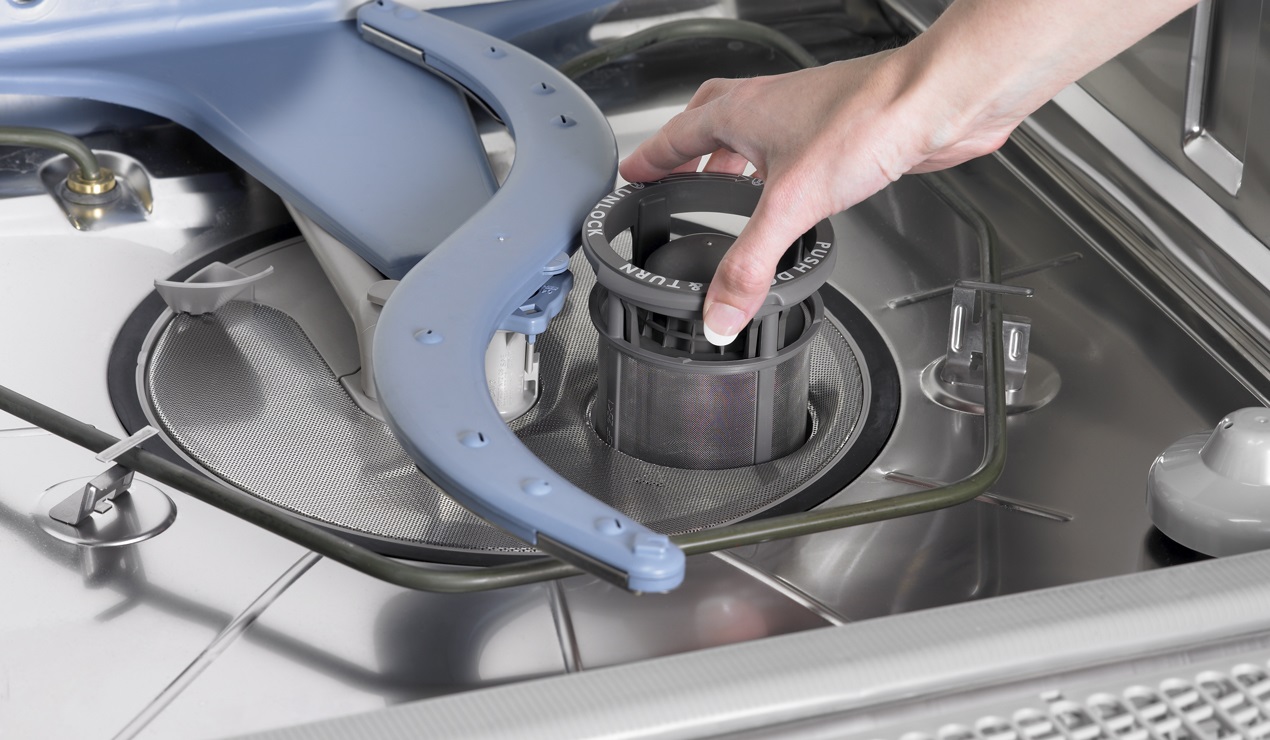
- Clogged filter. The waste filter is located at the very bottom of the dishwasher's working chamber. First, check it: carefully unscrew it, remove it, clean it, rinse it, and reinstall it.
- Clogged nozzles. Spray arms also clog easily, preventing the water from spraying and the machine from starting a program. This problem can be quickly resolved by using a thin toothpick to spot-clean the holes in the nozzles. A clear sign of this problem is pots that won't clean, as the low pressure prevents a thorough wash.
- Failure of the circulation pump. Another reason why water does not enter the chamber is a broken pump. Repairing this part yourself will be more difficult, as it requires replacing the part with a new one. To do this, locate the part at the bottom of the housing, unscrew all the tubes and fasteners, remove the faulty pump, and install a working one.
If after water intake there is no noise characteristic of the beginning of the cycle, then the circulation pump is faulty.
Another obstacle that can stop the cycle at the very beginning is damage to the electric motor or its winding. To confirm or refute this, you'll need to test the motor with a multimeter. If there's a short circuit between turns or an open circuit, you'll need to replace the motor or contact an experienced mechanic.
There is excess water inside
A common reason why a dishwasher isn't working is excess water in the chamber. This usually occurs when the automatic filling cycle is complete, but instead of starting, the dishwasher doesn't stop. Most likely, the water level sensor is broken.
The water level sensor monitors the water supply, and if there are issues with under- or over-flow, it needs to be replaced. To do this, look for the device at the bottom of the housing, after turning the machine over on the floor. Next, remove the malfunctioning device and install a working one.
Often, the problem persists even after disconnecting the machine from the power supply—the unit continues to draw power from the water supply. In these cases, the solenoid valve responsible for shutting it off is at fault. The device is located at the junction of the inlet hose and the water inlet. To replace it, simply disconnect the machine from the power supply, remove the broken part, and install the new one.
Incorrect water temperature
Another problem that can prevent your dishwasher from doing its job is problems heating the water. There are two possible causes: insufficient heating or, conversely, excessive heating. In the latter case, the problem is a faulty temperature sensor. If the heating is insufficient, check the following: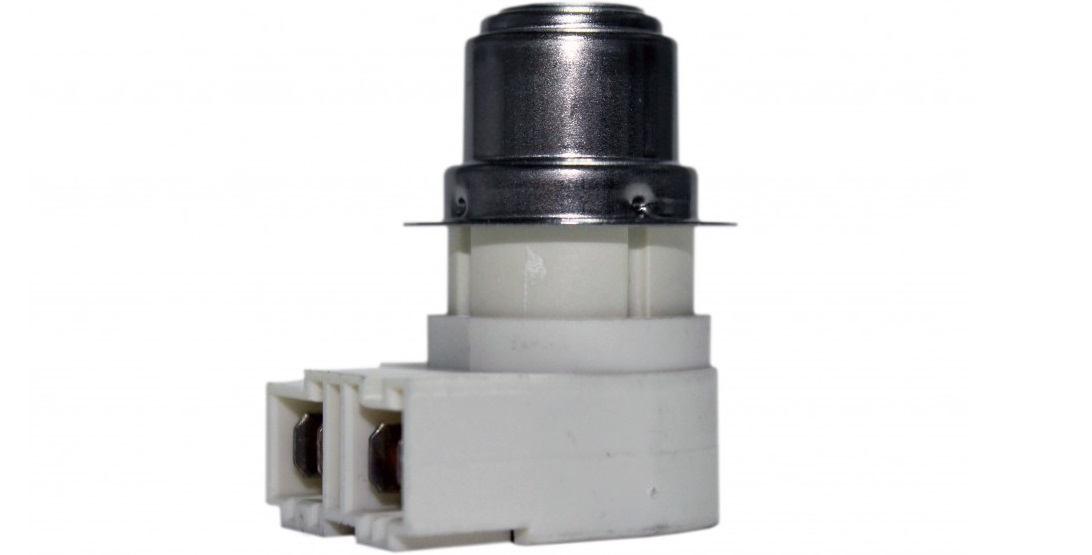
- thermostat;
- water pressure in the system;
- integrity of the heating element.
Diagnostics are easy to perform without the need for specialists. You just need to check the possible causes one by one, and finally, test the heating element with a multimeter.
The machine is full of dirty water.
A large amount of dirty water in the dishwasher is also a clear sign of a problem. The situation is clear: the drain isn't working properly, causing the waste water to remain inside the chamber rather than draining. This problem is fairly easy to fix.
- We're diagnosing the drain pump. First, we clean it of debris and measure the ohms in the winding. Drainage is often blocked by low pressure.
- If the pump isn't broken, check the drain hose and trap. A clog is blocking the wastewater from draining. Therefore, disconnect the components and thoroughly rinse them under the tap.
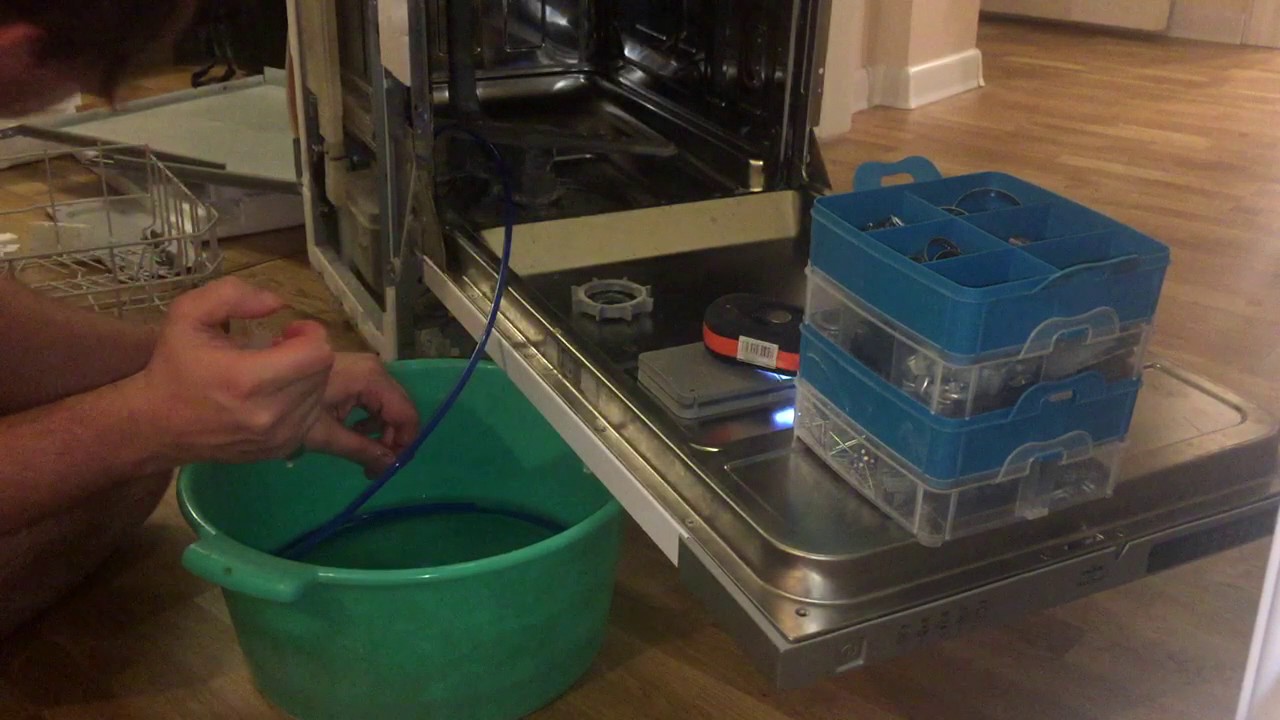
In some cases, repairs are not needed at all. When the hose is raised above the level specified in the manufacturer's instructions, the dishwasher cannot drain the water because there is not enough pressure. Sometimes weak fastenings or pinched pipes can cause problems.
She gave me an electric shock when she touched me.
If the dishwasher is clearly giving you an electric shock—you feel a tingling sensation or an actual shock when you touch it—then the circuit breaker is acting differently. Don't hesitate—immediately unplug the machine. Next, we'll look at the heating element, as in 100% of cases, a short circuit is caused by a faulty heating element. There are several possible causes:
- too hard water;
- broken heater start relay;
- manufacturing defect.
Using a dishwasher that produces electric shock is strictly prohibited – it is life-threatening!
Once the unit is unplugged, remove the heating element and inspect it. If there are any cracks, chips, or other defects on the surface, the element will need to be replaced. Postponing repairs is strongly discouraged; prompt diagnosis and replacement are required.
Washes without detergent
One of the most trivial concerns is incompletely dissolved detergent. This is caused by clogged nozzles or insufficient pressure in the hoses, preventing water from reaching the detergent container. The solution is to remove and clean the spray arms.
To thoroughly clean the injectors, soak the parts for 30-40 minutes in a standard soap solution.
Another cause of malfunction is a malfunctioning dispenser mechanism. The valve doesn't begin drawing water in time, and the tablet doesn't have time to fully dissolve. Therefore, the device needs to be adjusted or replaced.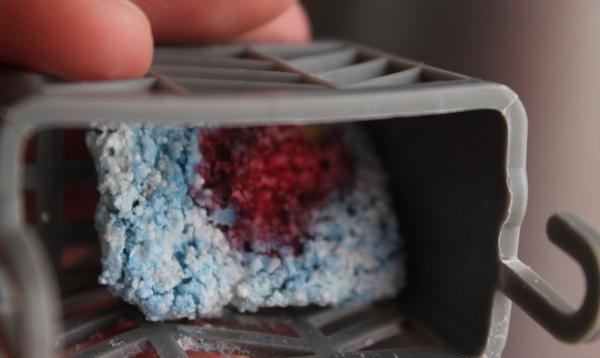
There is no power supply
Users often encounter a problem where nothing happens when they press the "Start" button. This means the dishwasher won't turn on even though it's already loaded with dishes. There are several possible causes for this:
- the electrical outlet does not work;
- the door locks do not work;
- the door is not closed tightly;
- the network key "fell out";
- The network filter is broken.
A sequential check with a multimeter will help determine the root cause. By eliminating faulty parts of the chain, it's easy to pinpoint the source of the problem. However, if the machine doesn't complete the cycle or doesn't respond to changing the wash mode, it's a different matter. In that case, you should check the control board and gear selector. Don't experiment with the latter components—it's safer to immediately contact a professional.
The body is leaking
Leaks are among the possible malfunctions of dishwashers. However, this doesn't mean water will start leaking from underneath the machine—the machine will indicate a malfunction by abruptly ending the cycle and ignoring user commands. An error code will appear on the display.
Restarting the dishwasher won't fix the problem. The appliance will still shut down in emergency mode. The explanation is simple: a leak triggers the Aquastop protection system. The dishwasher's tray contains a special float. When water hits the bottom, it floats up and, when a certain level is reached, closes a contact. The control board receives a fault signal, and the appliance shuts down to prevent flooding and current leakage. To resume washing, the root cause of the fault must be identified.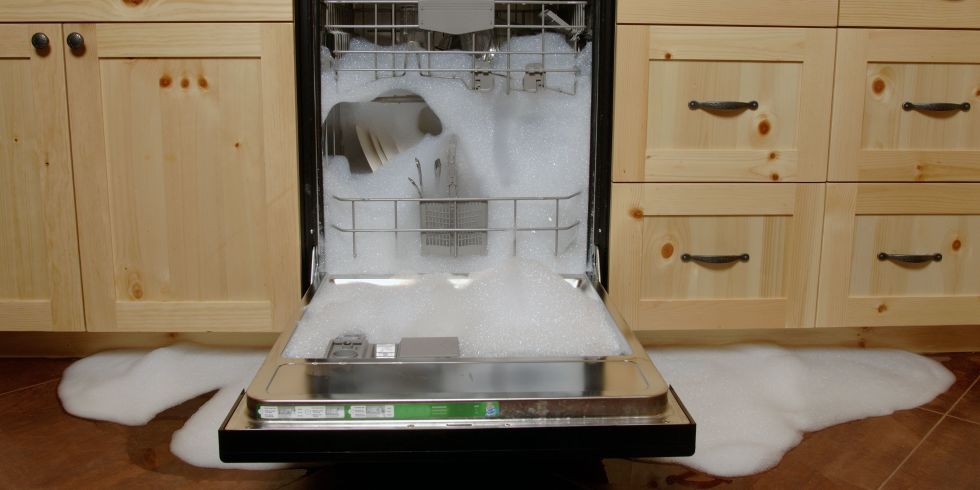
- Dishwasher instability. When the machine is not installed level and on a flat surface, an imbalance occurs. As a result, water pours over the edge of the container.
- Incorrect use of detergents. Firstly, users choose unsuitable detergents for their dishwashers. Secondly, they often exceed the recommended dosage, which increases foaming and leads to leaks.
- Overfilled machine. Logically, overfilling the machine will inevitably result in a leak. Therefore, it's important to promptly address a faulty water level sensor.
- A leaky seal. The dishwasher's weak point is the rubber seal. If the seal is damaged, water will leak out, causing condensation on the floor or under the countertop. Another "symptom" is steam appearing during operation. This defect can be corrected by replacing the seal or adjusting the door.
- The float is malfunctioning. It's possible that the leak protection is giving a false signal. Simply check for water in the tray. If this works, try lowering the sensor manually by loosening the return spring. Otherwise, replace the device.
Localized leaks sometimes occur due to a ruptured hose or pipe. Therefore, it's recommended to ensure all machine components are sealed. Remove the rear panel and check for dryness.
Knowing why your dishwasher isn't working can help you quickly and affordably bring it back to life. The key is to remember safety precautions and strictly follow the instructions.
Interesting:



Readers' comments
Headings
Washing machine repair




For buyers




For users


Dishwasher




Add a comment