
Washing powder does not dissolve in the washing machine
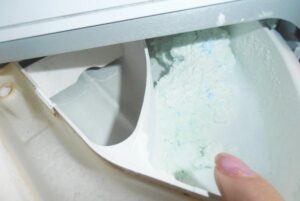 There could be several reasons why washing powder doesn't dissolve in your washing machine. First, it could be a low-quality detergent. Second, it could be that too many granules are being added and they simply aren't dissolving in the water. Third, there could be a malfunction with the appliance. Let's figure out how to fix this problem.
Why does powder remain on things?
What to do with insoluble powder will become clear if the cause of the problem is identified. In some cases, purchasing a better quality detergent can solve the problem. In other situations, more serious measures will be required. First, let's list all the possible reasons why detergent doesn't dissolve and remains on clothes after washing.
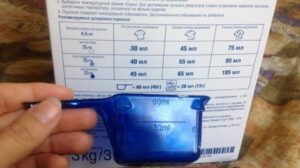
- Too many granules were added to the detergent drawer. Don't follow the "more is better" principle here. It's important to use the correct dosage of detergent. 25-30 grams of detergent is sufficient for one kilogram of moderately soiled laundry.
- The wrong cleaning mode was selected. This usually applies to the "Quick Wash" program. This program heats the water to 30-40°C, which makes it difficult for the granules to dissolve. Therefore, soap stains may remain on items at the end of the cycle. It's better to choose modes with a temperature of 60°C.
- I bought low-quality laundry detergent. There's a huge variety of laundry detergents on store shelves today, including counterfeits. Therefore, it's important to buy household chemicals only from trusted sources.
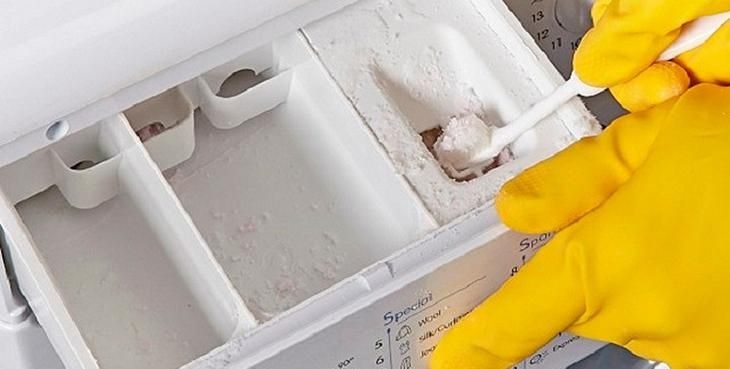
- The machine hasn't been cleaned for a long time. Any washing machine requires periodic maintenance. The insides of the machine simply need to be cleaned to remove limescale, accumulated detergent, and other dirt. A high-temperature cycle with some kind of scale remover should be run every three months.
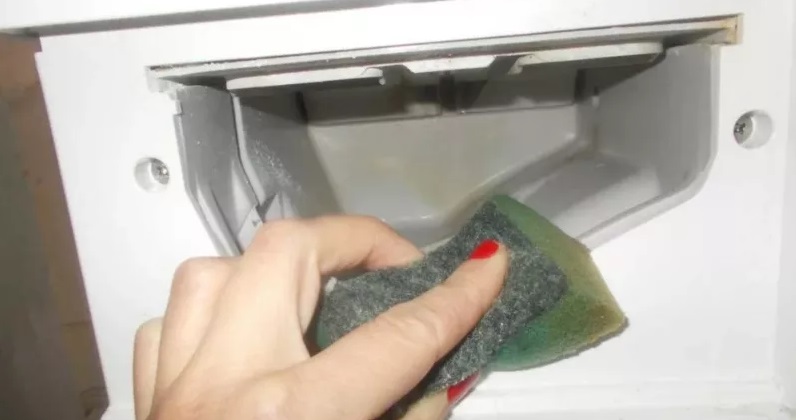
- Using baby powders. Most of them are soap-based and therefore dissolve poorly in cold water. When using such products, you should set the washing temperature to at least 50°C. Unmelted granules settle on the inside of the machine, so it's best to clean it more frequently: 5-6 times a year.
- The heating element is faulty. The water remains cold, so the detergent doesn't dissolve completely. If the problem has recently appeared, run a high-temperature cycle and touch the door. If it doesn't heat up, the heating element is indeed faulty.
- Confusion with the fabric softener compartments. Sometimes, in a hurry or out of ignorance, users pour detergent into the fabric softener compartment. The machine then removes the detergent during the rinse cycle. Naturally, not all the granules will dissolve in cold water, and the clothes spend the final part of the cycle in soapy water. In this case, stains on the fabric are inevitable.
- Tap water that's too hard. Water with a high impurity content also prevents detergent from dissolving properly. In this case, it's best to use a special water softener or install a filter before the machine's inlet.
The further course of action will depend on what led to the problem. You may need to replace the heating element, clean the insides of the machine from scale and plaque, or simply start pouring powder into the main wash compartment instead of the conditioner compartment. Purchasing a good quality detergent can also help improve the situation.
What powders are best to use?
As mentioned earlier, stores offer a huge variety of different detergents. Dry granules, gels, tablets, laundry wipes, conditioners, and more are available. If you're used to using powder, there's plenty to choose from too. We'll tell you about the most popular and high-quality products.
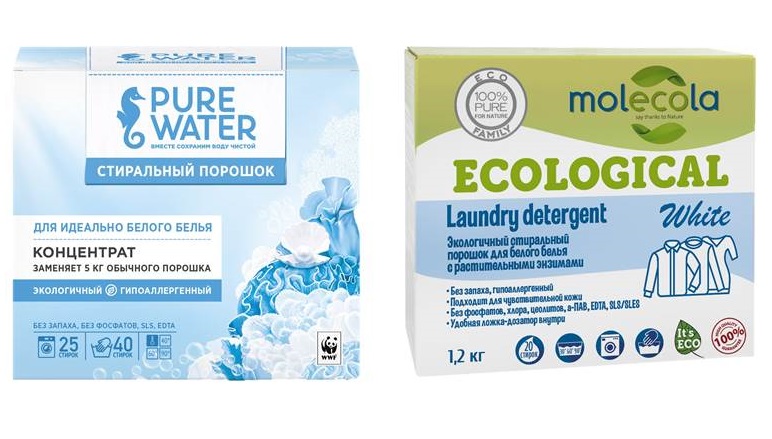
- Pure Water biodegradable laundry detergent. Ideal for both hand and machine washing. The concentrate is very economical – 1 kg replaces 6 kg of regular dry detergent. It can be used on various fabric types: cotton, synthetics, and blends. Contains no fragrances or phosphates, making it suitable for allergy sufferers. It effectively removes stains. A kilogram pack costs approximately $4.10.
- Molecola Phosphate-Free Laundry Detergent. This versatile product is suitable for both hand washing and machine washing. It's fragrance-free and hypoallergenic. It can be used to clean whites, blacks, and colored laundry. Its concentrated formula makes it extremely economical—one 1 kg pack is enough for 40 cycles. It dissolves completely, even in cold water, and won't settle on the internal parts of your washing machine.
- BioMio BIO-Color Granules. This product can be used for hand and machine washing, on both colored and dark fabrics. Thanks to its surfactants and enzymes, the powder removes stains of various origins, including food, cosmetics, and dirty hands. It dissolves quickly even in cold water and rinses completely from fabric fibers. It does not contain phosphates. The average price for a 1.5 kg package, which lasts for 30 cycles, is $4.80.
- Index 5-in-1 laundry detergent. Its special formula provides five actions at once: removes tough stains, protects fabric fibers, preserves color vibrancy, prevents warping, and refreshes the look of items. Suitable for cotton, synthetics, and blended fabrics. Contains bleaching agents and enzymes. A 400-gram package costs approximately $1.15.
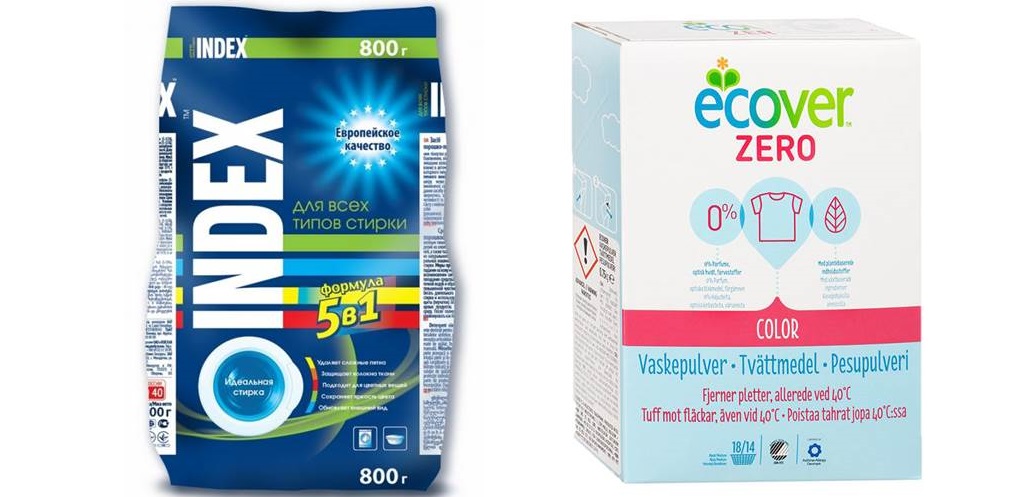
- Ecover Zero Granules. A universal powder suitable for all types of laundry. This hypoallergenic product is specially formulated for small children and people with allergies and asthma. Its ultra-concentrated formula is very economical. It contains no fragrances, dyes, optical brighteners, or phosphates. It dissolves completely even in water at 30 degrees Celsius.
- Frosch Citrus Laundry Detergent. Works perfectly in water temperatures from 30°C to 95°C. Effectively tackles stains, removing even the most stubborn stains. Phosphate-free. Ideal for light-colored cotton and synthetic fabrics. The concentrate is economical to use; the manufacturer claims that one package, priced at $4.53, is enough for 20 washes. It cleans clothes using natural ingredients.
- Korean Funs laundry detergent not only effectively removes stains but also prevents bacteria from growing in fabric fibers. Suitable for both hand and machine washing.
It is better to buy high-quality detergents right away.
This will avoid the problem of undissolving powder. Also, household chemicals with a good formula will not settle on the internal parts of the machine, contaminating the equipment.
Interesting:
Readers' comments
Headings
Washing machine repair




For buyers




For users


Dishwasher




Add a comment