
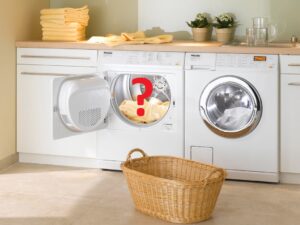
The dryer does not collect condensation.
 Sometimes, when first starting the dryer, users can't figure out where the condensate drains. The water collection container remains empty. What could be the problem?
We'll tell you what to do if your dryer isn't condensing. We'll figure out what might be causing this behavior. We'll also discuss the design of modern dryers.
The dryer is running, but the condensate tank is empty.
Users are surprised to find that their washing machine has completely dried their laundry, yet there's no condensation in the condensation container. Why might this happen? What should you pay attention to first?
Condensation may not occur if the dryer has a very small load, such as a couple of sheets or towels. This will prevent condensation from accumulating in the container. The solution is to completely fill the dryer drum and check the container after the cycle is complete.
There won't be any water in the container after drying lightweight, synthetic items. These items come out of the washing machine semi-dry, so you won't notice any condensation.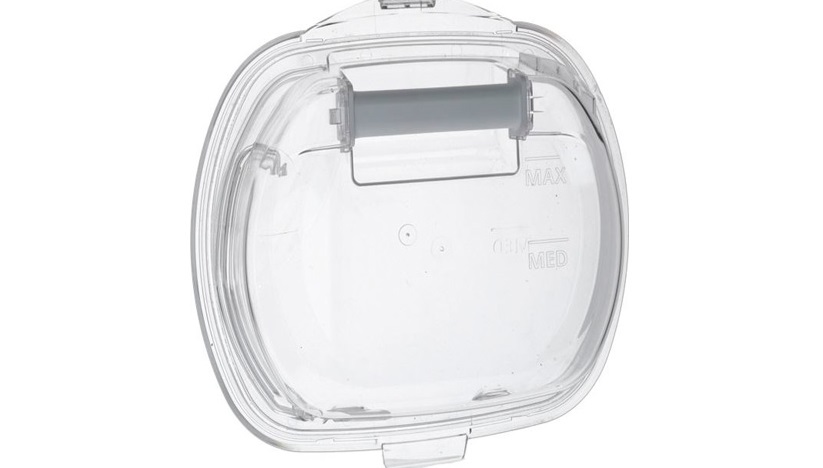
Another possible cause is that the dryer is connected to the sewer system. Perhaps the technician installed the dryer and forgot to warn you about it. In this case, the condensate will drain directly into the main sewer line.
In this case, there is no need to clean the container.
Be sure to check under the dryer to make sure there's no water there. It's possible the unit isn't connected to the sewer system, but the condensate drain function is enabled. This could cause the dryer to drain out of the drain hose and onto the floor. In this case, reset the dryer.
What other reasons are possible? Condensate may not flow into the tank due to clogged pipes or drain hose. This is observed when the dryer is used carelessly and the user neglects to clean the lint filters.
The solution is clear: clean the clogged components. The lint filters are easily accessible, but to access the pipes and hose, you'll have to partially disassemble the dryer body.
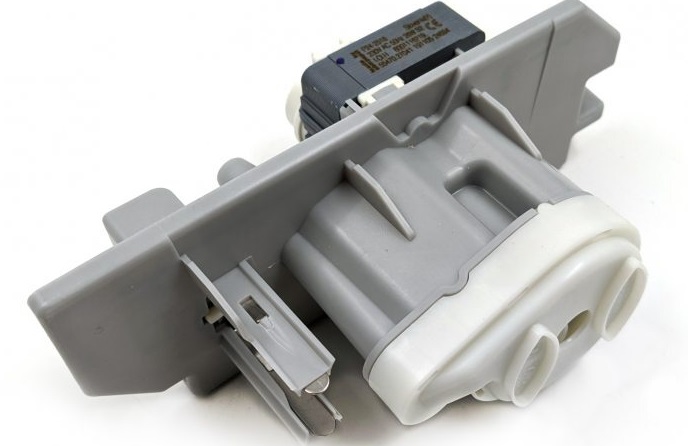
The drain pump is responsible for pumping out condensate. In drying mode, the pump runs continuously, so it can malfunction. Foreign objects can also sometimes get into the element. What's the solution?
- flushing the drain pump;
- replacing the pump (if it is mechanically damaged).
Finally, the problem could be with the control module. This is the most serious malfunction, affecting the operation of all dryer components. The board doesn't receive information from the sensors and doesn't send the command to drain the water.
It's recommended to entrust control module repair to specialists. Without sufficient experience and knowledge, it's best not to mess with the dryer's electronics. Otherwise, you could only make the situation worse. A technician will perform diagnostics, repair the circuit board, or reinstall the dryer's firmware.
How does a dryer work?
It's best for any user to understand the structure of their dryer. This will allow them to quickly detect malfunctions and perform diagnostics on their own. Modern dryers have similar designs. While these may vary by brand, most machines are built to the same design.
You can learn about the structure of the drying machine in the instructions for the equipment.
The user manual describes the components of the dryer. It also contains information about potential malfunctions and troubleshooting steps. Any modern dryer consists of the following components: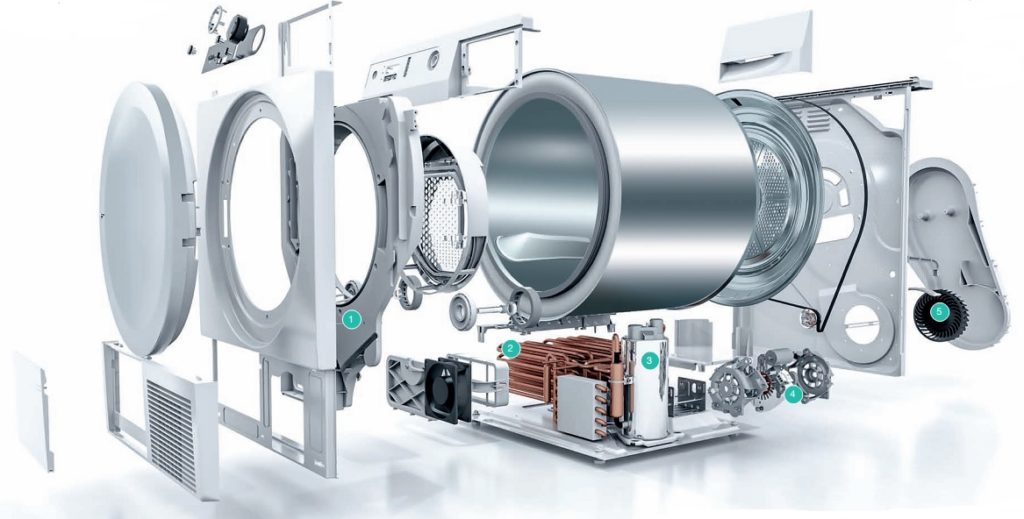
- instrument panel (here is a digital display, buttons for additional options, a rotary mode switch, indicators);
- a tumble dryer (its design is no different from a washing machine, with stiffening ribs inside. Some models have built-in lighting);
- heat exchanger (cold and hot air flows through it in an isolated manner. Thanks to this, the laundry is dried, forming condensation);
- Heating element (the part heats the air before it enters the dryer drum);
- fan (the element moves air masses in the desired direction, due to which the air flow quickly and accurately reaches its target);
- drive mechanism (the belt connects the drum shaft and the motor, which ensures the rotation of the dryer’s working capacity).
These are the most significant elements. Of course, the list is not complete. Any dryer has a container for collecting condensate. The tray can be located at the top or bottom of the machine.
The condensate container needs to be emptied periodically. Failure to do so will result in leaks. The tray has a pull-out mechanism and is easily and effortlessly removed from the machine.
Some modern dryers can be connected directly to the sewer system, so there is no need to clean the condensate tank.
Every dryer also has air intakes. These are equipped with lint filters that collect all debris that enters the system. The filter element should be cleaned at least once a month, but ideally every two weeks.
The electric motor is the "heart" of the dryer. It determines the dryer's power and the maximum drum speed. The "brain" of the machine is the control board. This module completely controls the system's operation, ensuring that commands are sent to specific components of the washing machine at the right time.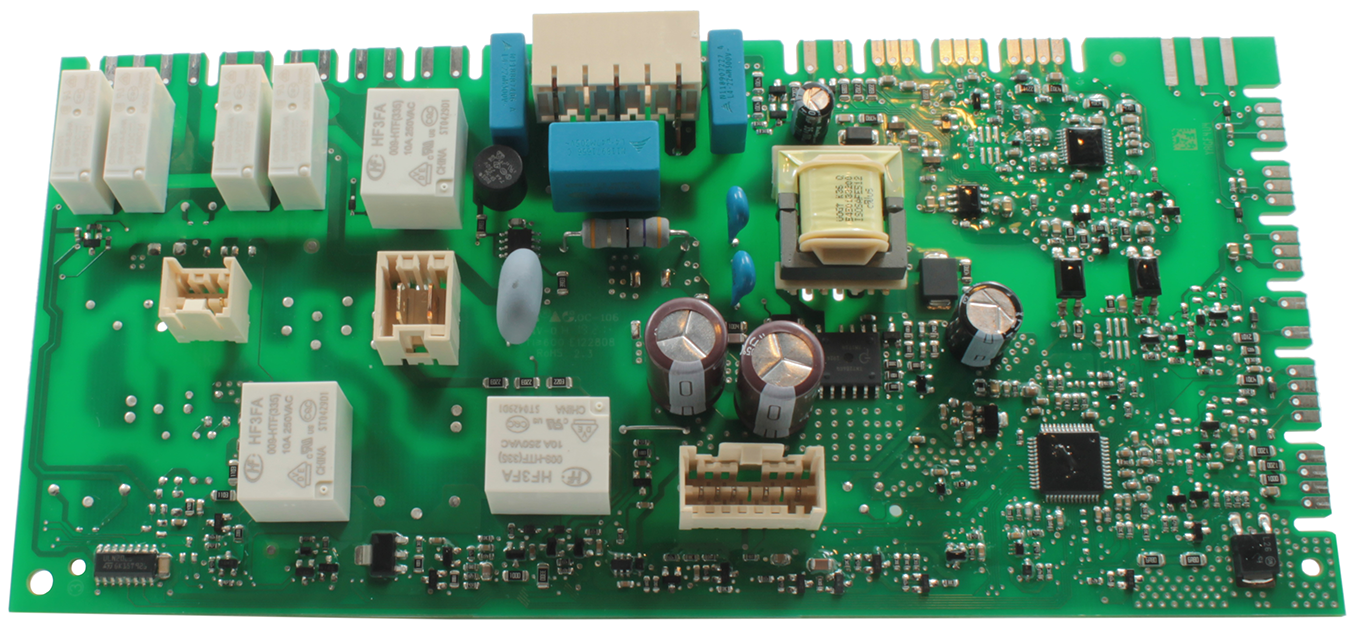
Using a tumble dryer is much like using a washing machine. You need to:
- open the hatch door;
- load items into the drum (without exceeding the maximum permissible weight);
- select the desired drying mode;
- start the cycle.
However, warm air, rather than water, will begin to flow into the tank. The detergent addition step is also eliminated. And the drum will only rotate at 100 rpm.
Dryers typically have around ten modes. Each program is designed for a specific fabric and garment type. Programs vary in duration and temperature.
What happens in the dryer after the cycle starts:
- the fan begins to move air through the lint filters to the heating element;
- The heating element heats the machine up to 50-70 degrees;
- the fan directs hot air to the items in the drum;
- the air flow is saturated with moisture from the laundry and goes into the heat exchanger;
- In the heat exchanger, the air “drops” the water and is directed back to the heater.
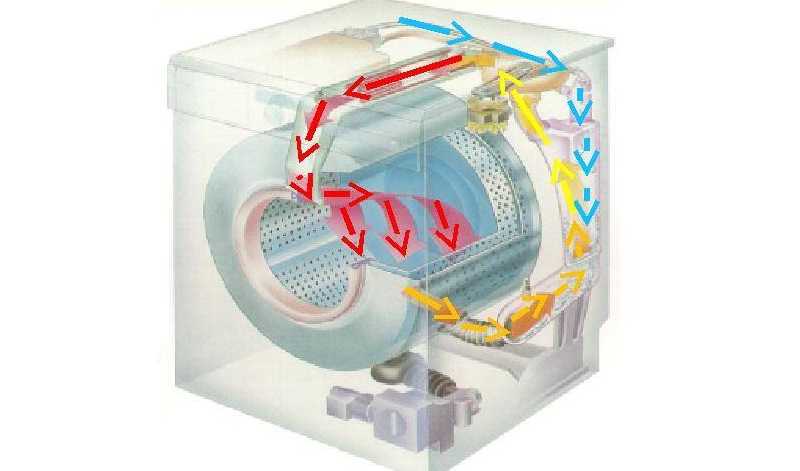
All steps are repeated cyclically until the laundry is dry to the desired level. When the cycle is complete, the dryer beeps. All that remains is to unload the machine and put the laundry away.
The frequency of cleaning the lint filter depends largely on how often you use the dryer. It's best to empty the filter after every 5-6 cycles. This ensures proper air circulation throughout the machine.
Also, remember to empty the condensate container, preferably after each use. Leaving water in the dryer for long periods is not recommended.
Also, don't run multiple dryers in a row. Manufacturers recommend a 15-20 minute break between cycles. This will allow the machine to cool down and be ready for the next task.
Interesting:


Readers' comments
Headings
Washing machine repair




For buyers




For users


Dishwasher




Add a comment