The lock on my Indesit washing machine doesn't work.
When the lock on your Indesit washing machine doesn't work, you can forget about washing for a while. With the drum partially open and not properly sealed, the washing machine won't start, which could damage both the room and the appliance itself. It's best to waste no time and start investigating the cause of the door not closing. Both mechanical failures and manufacturing defects with a faulty door lock can cause problems. We'll investigate and fix the problem.
What could have broken?
It is difficult to say immediately and definitively what led to the faulty lock. Indesit washing machines may not close for several reasons. So, the following malfunctions prevent the locking mechanism from working:
sagging door hinges;
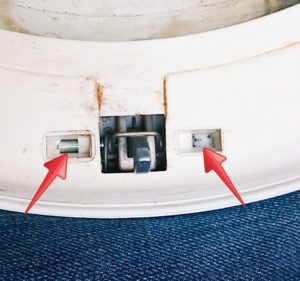
displacement of the plastic tongue on the lock;
failure of the hatch locking device;
worn lock guide or rubber gasket.
If the door is open, the Indesit washing machine will not start the cycle and will not begin filling with water.
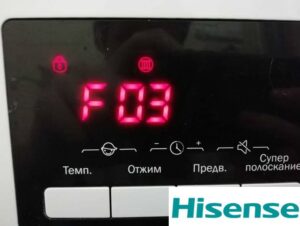
The machine's self-diagnostic system can often help identify the nature of the problem. If the door lock is not working, the washing machine will display an error code with corresponding lights on the dashboard. Some modern Indesit models can also display the error code on the display.
Typically, the door won't close due to either mechanical or electronic issues. In either case, the wash cycle won't start until the problem is identified and repaired. Our breakdown of the main symptoms and necessary treatments will help with diagnosis.
Mechanical failures
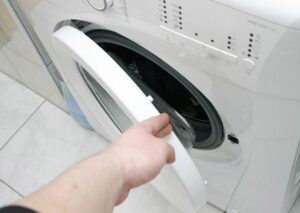
First, check the lock for mechanical damage. This includes internal failures of the locking mechanism, or the door becoming warped or sagging. Such "natural" wear and tear can be caused by careless handling of the door: slamming it too hard, hanging heavy objects, or children "riding" on it. If the machine doesn't close at all and there's no audible click, there's a problem with the mechanics. The "symptoms" can help determine the nature of the problem.
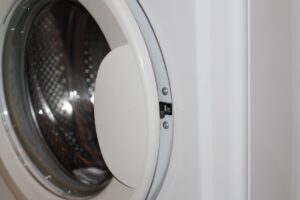
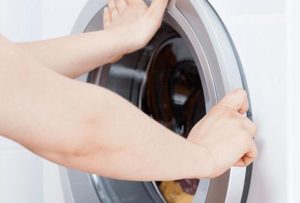
If the door won't close at all, the problem is misalignment. Simply put, the door hinges are sagging, and the lock tongue doesn't engage the groove in the frame. This can be corrected by tightening the hinges and adjusting the door's level.
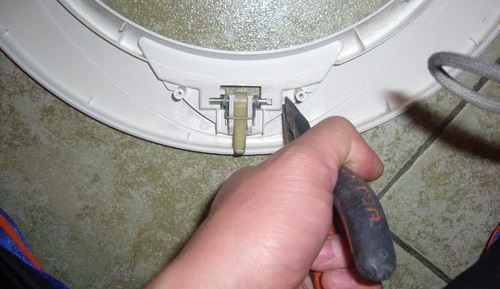
If the hatch closes but doesn't latch, the latch itself is suspect. The metal rod holding it in place may have fallen out or become crooked. In any case, the door will have to be disassembled and the parts returned to their proper positions. If this isn't possible, the entire mechanism must be replaced.
If the hatch closes and locks, but there's no click, the guide isn't working properly. This is a thin plate designed to secure the door in place. When it wears out or shifts from its intended position, the joint fails and the "hook" doesn't engage.
To resolve mechanical problems with the lock, it's necessary to disassemble the door and assess the condition of each component. If a component cannot be adjusted or repaired, a complete replacement is required. The main thing is to choose the right new lock, based on the old model and the serial number of the Indesit model.
The UBL does not perform its function
If the mechanical lock is activated and the first click is present but the second is missing, the door locking system is at fault. The door locking system provides additional, electronic security and is also a necessary step in closing the machine. Without it, the user could easily open the door mid-cycle, leading to catastrophic consequences. Therefore, even with a completely sealed machine, the machine will not start the wash cycle without electronic protection.
If the door locking system is faulty, the door will not lock. The electrical locking board fails for the following reasons.
Wear and tear. Long-term use also affects the bimetallic plates of the locking device: they wear down and lose electrical conductivity. A worn-out device cannot be repaired—only replacement.
Blockage. The lock also fails to engage if debris or other small foreign objects get inside the device. To fix this, simply disassemble the locking mechanism, locate the obstruction, and remove it.
Control board problems. In the worst case, the door locking system loses communication with the washing machine's electronic unit. This can be caused by burnt-out circuits, triacs, faulty firmware, or a system glitch. First, we recommend rebooting the washing machine, and if the error persists, run a comprehensive diagnostic of the control module.
Indesit control board diagnostics must be performed by professionals, otherwise there is a high risk of irreparably damaging the part.
The user can check the blocking device for wear and clogging independently at home. Control board diagnostics should only be performed by a service technician. The problem is that a washing machine's electrical unit is an extremely fragile and tamper-sensitive component, requiring careful handling and specialized equipment. Unlike the locking lock, the module is also very expensive, so any experiments will be costly.
We test the UBL and change it
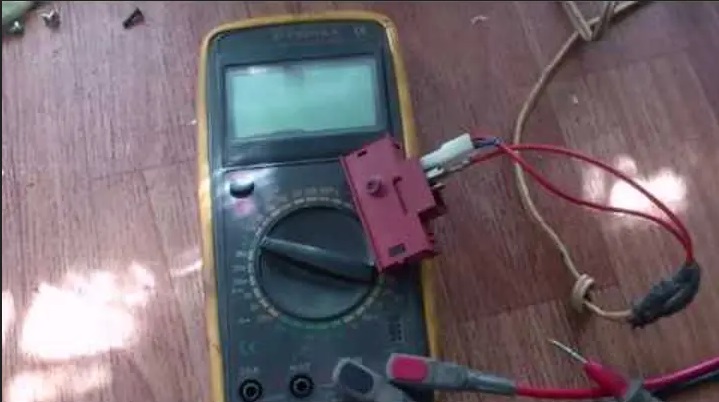
But a door that won't close doesn't always require immediate replacement of the door lock. Before replacing the lock, it's necessary to verify its malfunction. To assess the device's functionality, you'll need to remove it, inspect it, and test it with a multimeter. Here's how to proceed.
We disconnect the Indesit washing machine from all utilities, including sewerage and water supply.
Open the door. Typically, if the mechanics worked properly, the door will remain closed. Then unlock it manually: unscrew the top lid, tilt the washing machine back, reach into the lock, and try to push the latch to the side with your index finger. You can do the same from below, after removing the bottom panel.
We loosen the outer clamp on the cuff and tuck the elastic inside the drum.
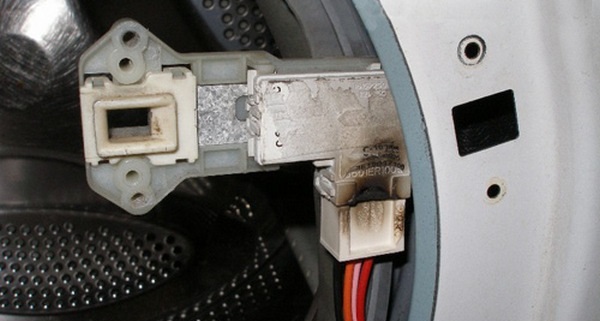
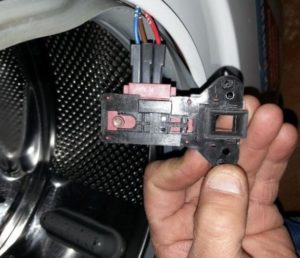
We find the lock, loosen the retaining screws and take it out.
We disconnect the wires connected to the UBL.
Before removing the wiring, it is recommended to mark the conductors and record your actions on camera to avoid errors when reconnecting.
We take out the UBL.
Once you've picked up the blocker, you can begin testing. First, take the manufacturer's instructions and study the component's electronic circuit diagram. Set the multimeter to measure resistance, place the device's probes near the live and neutral terminals, and then read the result on the display. If a three-digit number appears on the display, the UBL is working without interruptions; otherwise, it needs to be replaced. We also recommend continuing testing by moving the leads to ground and common. When the screen displays "0" or "1," everything is fine.
There's no need to try to repair a faulty door lock. Firstly, it's useless with single-use locking parts. Secondly, a new device is inexpensive. To avoid making a mistake with the replacement, just provide the Indesit serial number at the store. Installation is straightforward: just proceed carefully, remember safety precautions, and follow the instructions.

 When the lock on your Indesit washing machine doesn't work, you can forget about washing for a while. With the drum partially open and not properly sealed, the washing machine won't start, which could damage both the room and the appliance itself. It's best to waste no time and start investigating the cause of the door not closing. Both mechanical failures and manufacturing defects with a faulty door lock can cause problems. We'll investigate and fix the problem.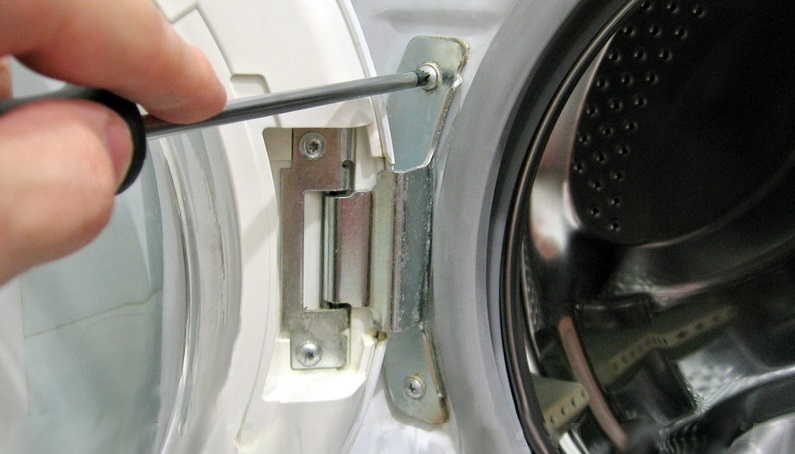














What difference does it make which wire is connected to the signal wire and why remove the lock?