
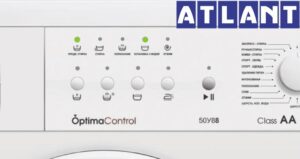
The Atlant washing machine does not turn on.
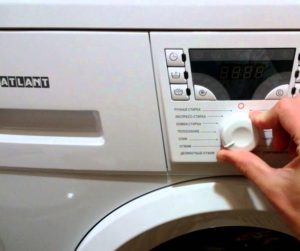 It's frustrating when the laundry is loaded, the detergent is poured in, and the washing machine doesn't respond to the power cord. If the lights on the control panel aren't lit, the display isn't illuminated, and the buttons aren't pressed, it's easy to guess: the machine has been cut off from the power supply. There are many possible causes of an Atlant washing machine not turning on, most of which can be identified and fixed yourself. The key is to keep trying and troubleshoot the problem.
Let's identify the problem first
It is easy to guess that the extinguished lights on the dashboard indicate problems with the electrical network. In simple terms, the current doesn't reach the washing machine's "brains," so the machine can't start working.In this case, it is necessary to re-establish the lost contact, or more precisely, check the external electrical system and internal electronics.
All causes of system slowdowns can be divided into two groups. The first is problems with external communications or:
- there are no problems with the supply of electricity or light in the room or house at all;
- the socket allocated for the machine is broken;
- the power cord is damaged (the wire or plug is burnt).
These are external reasons, which are complemented by internal ones: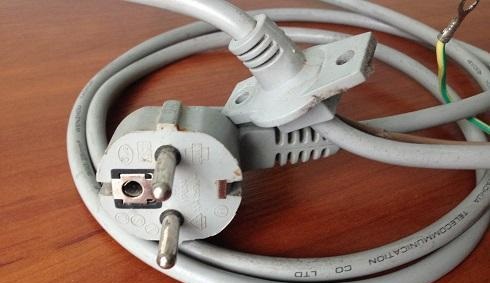
- the noise filter (abbreviated as FPS) in the machine is damaged;
- the "Start" button on the washing machine's panel is stuck or burnt out;
- The control module has failed.
If the LEDs do not light up when you plug the power cord into the socket, this means that there is no current flowing to the washing machine.
To better understand what to do, we'll need to go through all the possible problems step by step, working from the simplest to the most complex. First, we'll look at the external wiring, then inside the machine, and finally, inspect the washing machine's dashboard. Now, let's look at each step in more detail.
Is there current?
Most often, a washing machine won't turn on due to problems with the external power supply. Therefore, before panicking and doing anything, check if there's power in the room. Simply flick the switch: if the light comes on, it's time to move on.
Next up is the electrical panel. Here, you need to check that all circuit breakers are in the "operating" position. It's likely that starting a high-power washing machine overloaded the circuit, tripping the RCD, and causing a power outage. In this situation, it's necessary to reschedule the network load to prevent overvoltage and current leakage.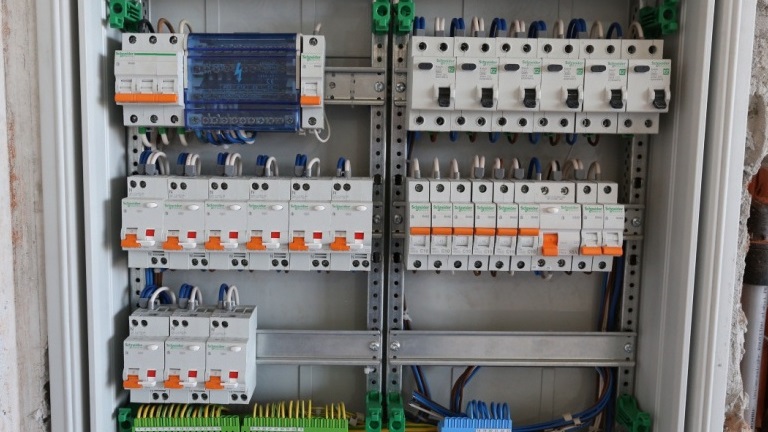
Next, head to the power outlet and assess its condition. Telltale signs include melted plastic, dark spots on the wall, and a burning smell. If there's no visible damage, test the outlet by plugging in any working device. Is there contact? Then we continue troubleshooting.
If you notice a burning smell, smoke, or melted insulation, you must de-energize the network and call an electrician - a short circuit has occurred!
If any alarming signs are discovered during the inspection, it is necessary to immediately de-energize the entire house and call an electrician. Self-repair of the electrical network is permitted only if you have the appropriate qualifications. In any case, using electricity is prohibited - a repeated current leakage with subsequent fire is possible.
Electrics inside the machine
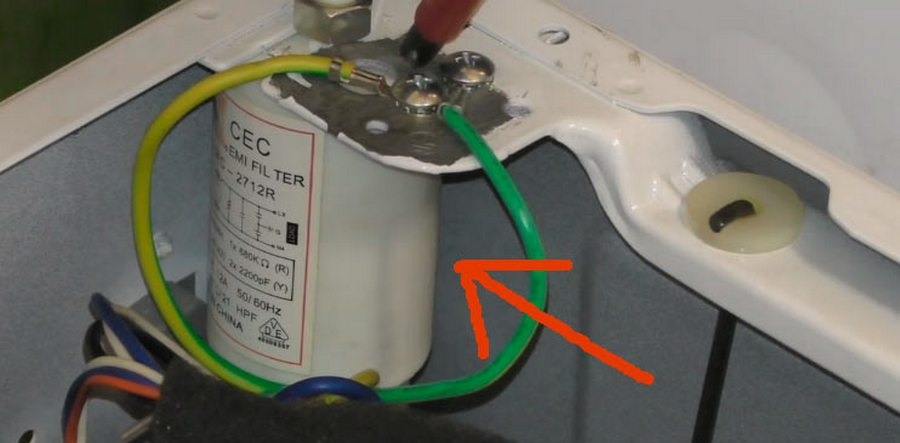
After diagnosing the external communications, it's time to examine the washing machine's electronics. Three points within the machine are responsible for transmitting current: the power plug, the power cord, and the interference filter. All components are located together, so they are tested simultaneously.
The procedure is as follows:
- we disconnect the equipment from communications;
- remove the top cover;
- look at the left side of the lower corner, where the FPS is located;
- loosen the fasteners holding the power cord;
- We pull out the cord together with the filter and plug.
Diagnosing the components yourself is easy. The first step is to inspect the plug for signs of fire. Next, check the cord: set the multimeter to the "Buzzer" position and test the wire for a breakdown.If a current leak is confirmed, do not attempt to repair the insulation with twisting or electrical tape—this is unsafe and can lead to further breakage and fire! The element needs to be replaced with a new one.
The power cord cannot be repaired at home - if damaged, the entire cable must be replaced!
After the plug and cord are connected, we inspect the interference filter. If there are no visible defects, set the multimeter to measure resistance and touch the probes to the contacts. If "0" or "1" appears on the display, the FPS has changed.
Button that starts processes
After successfully diagnosing the power cord and FPS, we move on to the control panel. The problem is that on Atlant washing machines, when one or more keys become stuck, a malfunction occurs, which then cuts power to the entire system. While modern washing machines can withstand this impact and display an appropriate error message, older models can't handle the load and simply shut down.
To determine whether the problem is caused by a stuck key, you need to perform several steps:
- open the detergent drawer and, pulling it towards you, remove it from the housing;
- unscrew all the screws holding the instrument panel;
- carefully detach the panel from the machine (you don’t need to completely remove the board – you just need to gain access to the “insides”);
- switch the multimeter to resistance mode;
- Apply the probes to the button contacts and measure the resistance.
The dashboard diagnostics are carried out with the washing machine turned on.
Experience shows that the most common cause of a machine shutting down is a stuck "Start" button. If it works, the problem lies with other keys used. We check each one in turn. If the stuck keys aren't the cause, there's a high probability that the problem lies with the electronic module. It's best to contact a specialist for this issue.
Interesting:


Readers' comments
Headings
Washing machine repair




For buyers




For users


Dishwasher




Add a comment