
Beko washing machine won't turn on
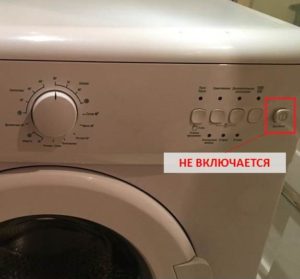 It's frustrating when your Beko washing machine won't turn on and the scheduled wash cycle doesn't start. Everything appears to be fine: the machine is plugged in, there's water, the drum is loaded, the door is closed, and the detergent is ready. However, the LEDs on the control panel aren't lit, and the machine remains silent, unresponsive to user commands. In this situation, don't give up or abandon the wash cycle. It's far more effective to put things on hold, take the trouble to diagnose the problem, and identify the cause of the slowdown.
What causes the machine's behavior?
Even someone unfamiliar with washing machine repair understands that the control panel lights not lighting indicate a lost connection to the power grid. Without power, the washing machine won't "wake up" and start working. It's logical to check the electrical system and electronics—there's a loose connection somewhere, either inside the machine or outside it.
It’s better to start searching for the cause with the simplest and most banal:
- there are problems with the power supply in the room;
- the socket to which Beko is connected is de-energized or faulty;
- The power cord is damaged (the wire or plug is burnt out).
But sometimes electrical problems aren't so obvious. Less noticeable faults also occur: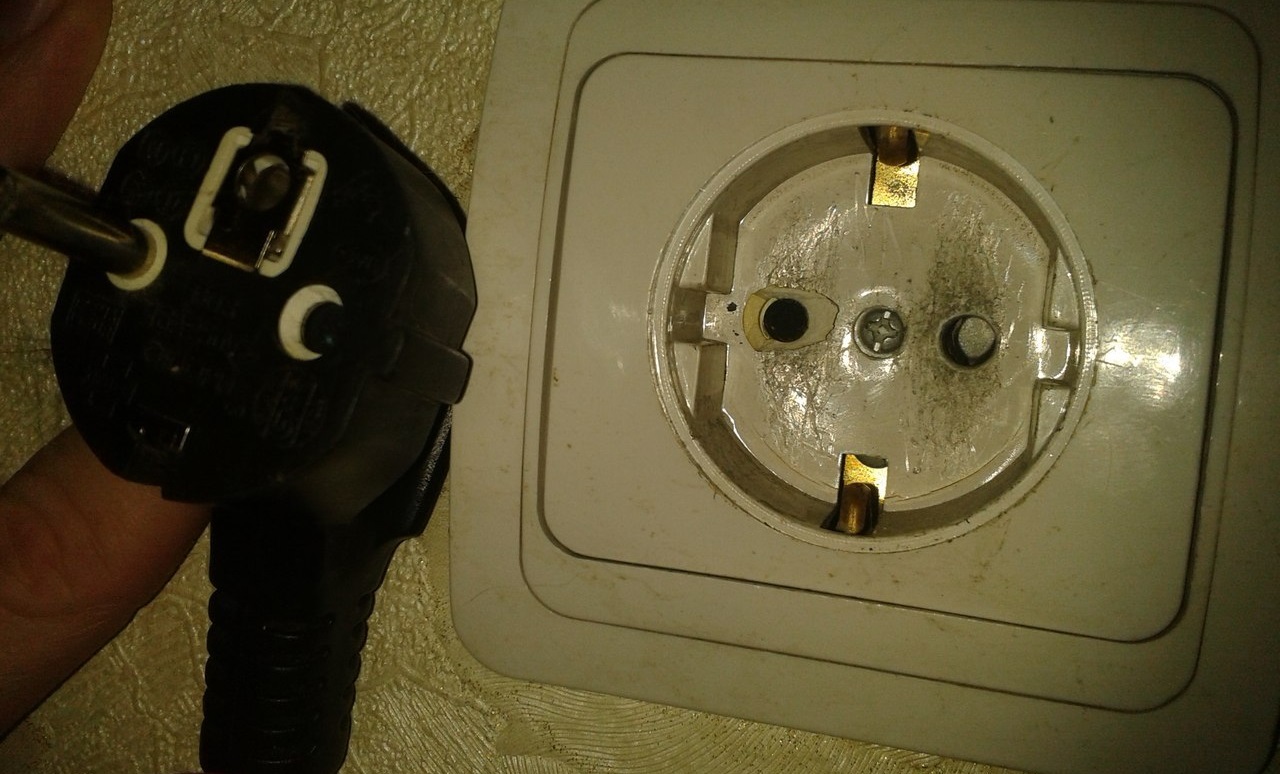
- knocked out the interference filter (FPS);
- the "Start" button on the dashboard is stuck or burnt out;
- The control board is broken.
If the Beko washing machine does not respond when plugged into the power supply, it means the machine is cut off from the power supply.
The algorithm for what to do is extremely simple. You need to sequentially check all possible "pain points" until the problem is identified. First, we assess the condition of the power lines, then we inspect the insides of the machine, and lastly, the Beko dashboard.
Check the power lines
If the washing machine won't start, the first thing to check is the power supply. Experience shows that most often the problem lies not with the appliance, but with something else. Therefore, first, try flipping the switch in the room—it's possible there's a power outage.
Then we go to the meter and inspect the circuit breakers and fuses. It's possible that the power supply is damaged, or that turning on the washing machine caused a power surge, tripping the RCD and automatically cutting off the power. In this case, there's no fault; you just need to adjust the load on the wiring.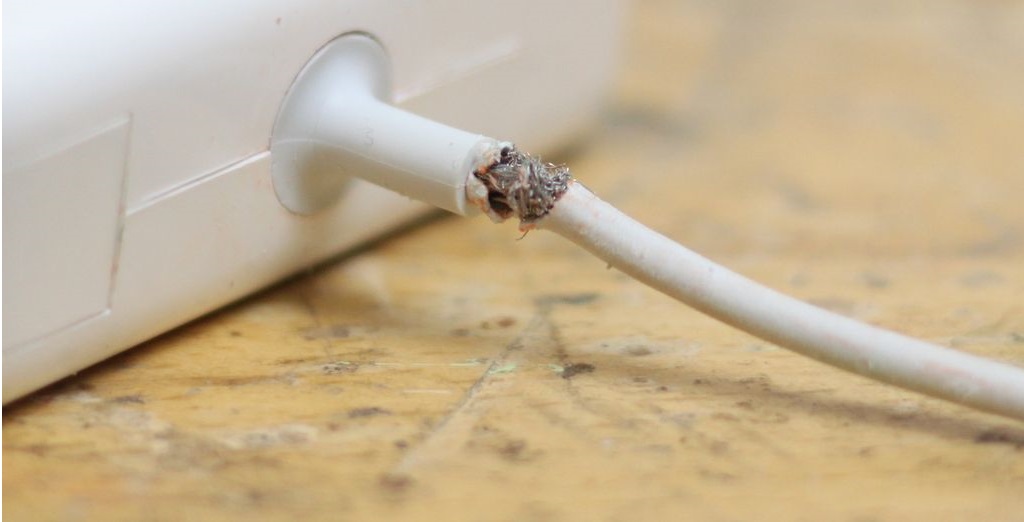
Next, we assess the socket's functionality. Melted plastic, a burning smell, or smoke are signs of burnt contacts. If there is no visible damage, connect any working device to the outlet. Is everything OK? Then the problem lies elsewhere.
The first signs of a short circuit are smoke, a burning smell, dark spots, and melted plastic or insulation.
Once a fault or fire is detected, it must be addressed as quickly as possible. However, attempting to repair the problem without electrical experience is strictly prohibited – it's safer and more reliable to call an experienced electrician. In any case, it's best to disconnect the power from the apartment and avoid using electricity until the problem is resolved.
Electrical communications of the machine
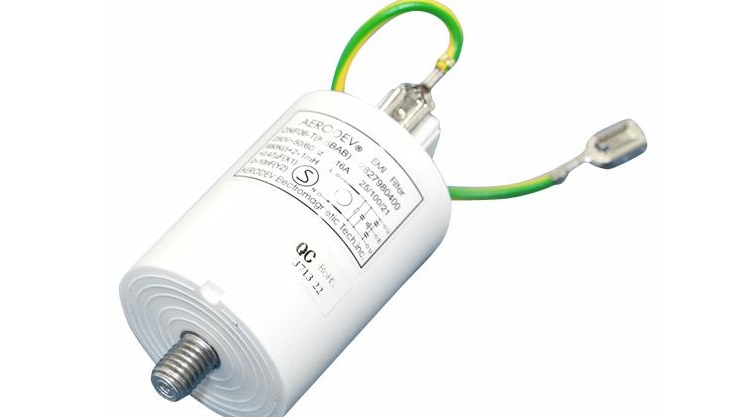
If the external power lines are fine, the problem is internal to the machine. Typically, the main culprits are the power plug and cord, followed by the interference filter. In any case, on Beko models, all three components are inseparable, so they are checked together.
We proceed as follows:
- we disconnect the machine from all communications, including the drain;
- we move the unit away from the wall, providing access to the rear wall;
- unscrew the bolts holding the top cover;
- we find the network capacitor located in the lower left corner;
- loosen the fastener that secures the power cord;
- We pull out the interference filter together with the cord and plug.
The components are checked individually. First, the plug is inspected. The presence of melted plastic or dark spots on the insulation clearly indicates a fire. Next, the cord is tested by using a multimeter to check for a breakdown. If the device detects a current leak, the cord must be replaced and no longer used. Local repairs are excluded in this case, since experts do not recommend repairing a damaged wire with electrical tape or twisting.Otherwise, there is a high risk of repeated breakage, short circuit, and fire.
Before using the multimeter, you need to check its functionality: set the resistance mode and close the probes - the display should show "0".
Next up is the FPS. A multimeter in continuity mode is connected to the filter contacts, and if the result is positive, the resistance is measured. If the display shows "0" or "1," it will be clear that the capacitor has burned out and needs to be replaced.
Let's look at the button
If the power cord and interference filter pass the test, then it's time to assess the condition of the control panel. It's no secret that a Beko washing machine won't turn on if the "Start/Pause" button is stuck. This is because shorting the power button cuts power to the entire washing machine. Modern models are unlikely to fail, but older machines manufactured 15-20 years ago are often guilty of this.
Confirming your guess yourself isn't difficult. Just follow these steps: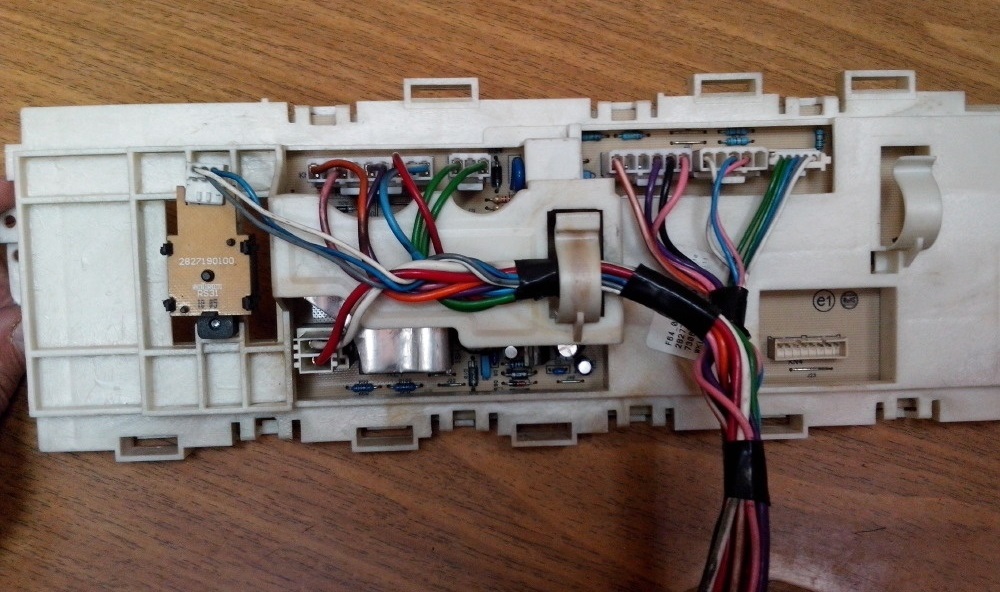
- remove the powder receptacle;
- unscrew the bolts located around the perimeter of the dashboard;
- detach the panel from the case (there is no need to detach all the wiring - it is enough to provide free access to the board);
- Use a multimeter to measure the resistance of the start button.
When checking the instrument panel, the resistance is measured across the buttons that are on.
Typically, the frequently used on/off button burns out. But if it's intact, you should measure the resistance of all the keys, starting from the most important ones and ending with the ones you rarely press. If there are no problems with the keys, then the problem lies with the control board. Diagnosing the module is a complex matter, so it's best left to professionals.
Interesting:
Readers' comments
Headings
Washing machine repair




For buyers




For users


Dishwasher




Add a comment