
Daewoo washing machine won't turn on
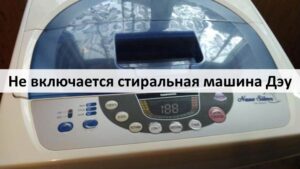 It's frustrating when your Daewoo washing machine won't turn on, your laundry is loaded into the drum, your detergent dispenser is full, and your plug is plugged in. The dashboard lights don't light, the machine doesn't make a sound, and it doesn't respond to user commands. But don't panic—there's a good chance you can restore your machine's functionality yourself. We suggest you figure out why your washing machine won't turn on and how to fix it. We'll provide a list of common problems and step-by-step repair instructions.
Why did the machine break down?
The lights on the instrument panel not coming on clearly indicate that the control board is cut off from power. In simple terms, the electricity doesn't reach the Daewoo's "brain": either there's no electricity at all, or there was a problem during "transportation" along the line. To restore the equipment to working order, you will have to sequentially check the serviceability of both the electrics and electronics.
First of all, it is recommended to exclude the so-called obvious reasons for lack of nutrition:
- there is no central power supply (the power in the apartment or house has been turned off by utility workers);
- there were problems in the general electrical network (a leak occurred, an RCD tripped, or another similar failure);
- the socket is de-energized (the electrical outlet has burned out or been cut off from the general network);
- the power cord or its plug is damaged.
Most often, the washing machine isn't at fault, and the lack of power is caused by external issues. But sometimes, the problems aren't so obvious—the washing machine's electronic components are failing. For example, the machine won't turn on due to the following internal problems:
The Daewoo washing machine will not turn on if there is a problem with the electrical or electronic components.
- knocked out the interference filter (FPS);
- the varistor burned out;
- the network button is stuck;
- There was a failure in the electronic unit.
It's impossible to immediately determine where the problem is occurring and what to do to fix it. For an accurate diagnosis, you'll need to check all the listed faults and malfunctions one by one. It's best to start with frequency-related, external faults and only then move on to internal electronic diagnostics.
Is the socket ok?
If your Daewoo isn't washing, don't panic. More often than not, it's not a serious internal problem, but an external one. It's best to first check for a power supply—flip the switch in the room or go to the electrical panel. It's possible the circuit was overloaded, tripping the circuit breaker or RCD.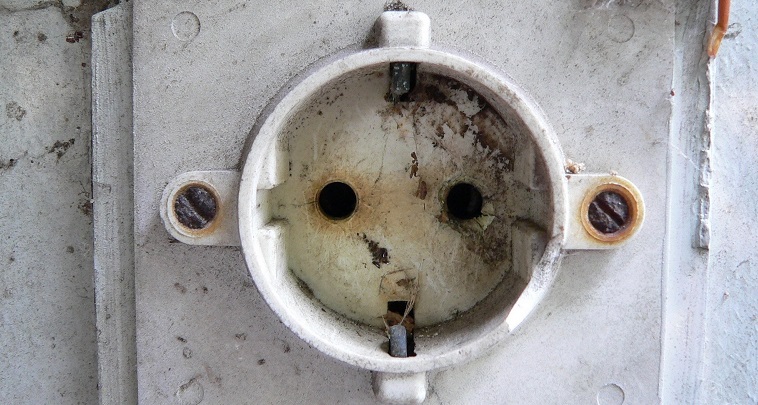
The second step is to check the power outlet. This is easy to do: plug in a working appliance. If the hair dryer hums or the light comes on, there's no problem with the power supply. Sometimes, you can tell at a glance whether the outlet is faulty. Signs of a fire will give you a clear indication:
- smoke;
- the smell of burning;
- melted body;
- dark spots on the wall.
A faulty socket cannot be used – you must turn off the power and call an electrician!
If the outlet has burned out or failed the test with a working electrical appliance, you will have to dismantle it, determine the cause of the problem, and replace it with a new one. It is better to avoid self-repair and entrust the diagnostics to a qualified electrician. If you have the necessary experience, you can handle electrical wiring yourself. The main thing is to follow safety precautions and de-energize the network before any work.
Filter or wire?
If there are no problems with the outlet or the general power supply, then we move on to the second step – checking the power cord and interference filter. On Daewoo washing machines, these components are connected, so they are diagnosed together. But first, the cord and interference filter must be removed. Here's how:
- we disconnect the machine from the communications;
- we turn the Daewoo around with its back facing forward;
- remove the top cover by unscrewing the bolts holding it;
- we find the FPS - the capacitor is located on the bottom left, where the power cord connects to the machine;
- loosen the fastener that secures the power cable;
- We pull out the interference filter together with the cord and plug.
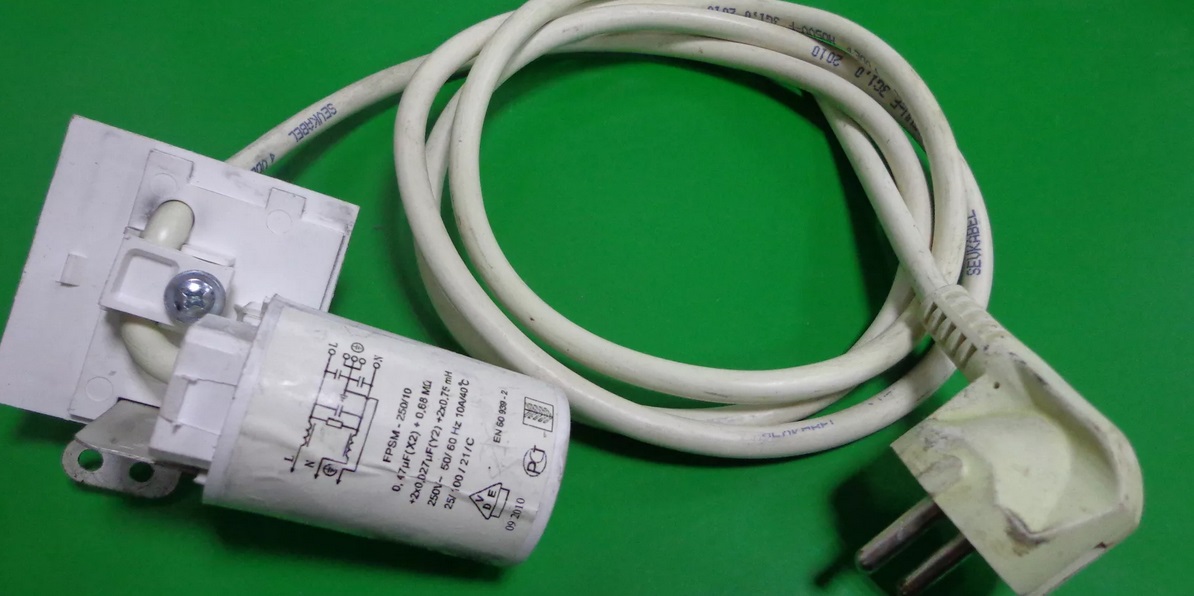
After disassembling, we begin diagnostics. First up is the power cord. Disconnect the power supply and carefully inspect the surface of the wire for signs of fire, damage, or pinching. If everything appears normal, set the multimeter to buzzer mode and apply the probes to the insulation. Once the breakdown is detected, replace the entire cable. Do-it-yourself repairs using twisted ends or electrical tape are prohibited—it's unsafe!
Repairing a wire with electrical tape, twisting, or replacing a separate wire is unsafe and poses a fire risk!
Don't forget to check the functionality of the multimeter before using it. Testing the tester is easy: turn on the ohmmeter mode and touch the probes together. The working device will display zero or a value close to zero. Next, check the interference filter. Set the multimeter to the buzzer, touch the probes to the contacts, and evaluate the result. If the device "rings," then set the tester to the ohmmeter mode and measure the resistance. A "0" or "1" will confirm the fault—the FPS is burned out and needs to be replaced.
Electronic board
Worse yet, a Daewoo washing machine fails to start due to a problem with the control board. Typically, the problem lies with the varistor—a semiconductor resistor that protects the microcircuit from power surges. When a sudden surge occurs, it absorbs the impact and burns out. As a result, the machine is cut off from power.
Diagnosing and repairing a board is a risky procedure best left to a service center specialist!
Fortunately, you can check and repair the varistor on the control board yourself. Just follow these instructions:
- disconnect Daewoo from the power supply and water supply;
- remove the powder receptacle;
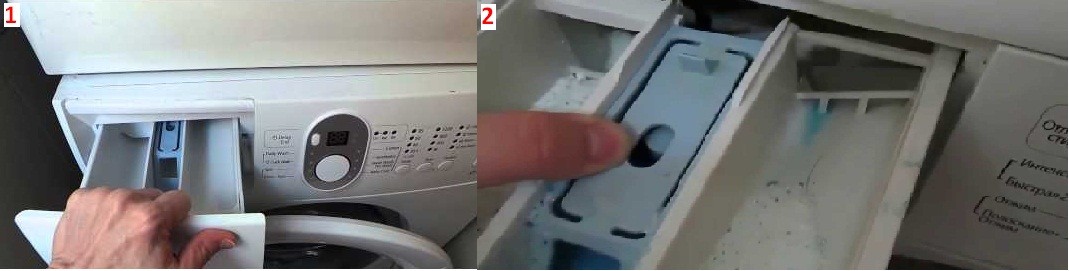
- find and unscrew the two bolts “hidden” behind the cuvette;
- remove the top cover from the body;
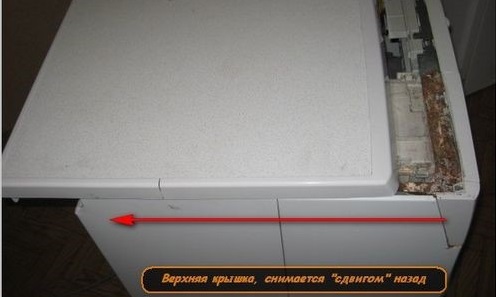
- loosen the three screws located on the top bar;
- carefully separate the instrument panel from the body;
- disassemble the panel, removing the control board;
- find a burnt-out varistor (they turn black when burned);
- If it is not possible to visually identify a burned-out varistor, then it is necessary to measure the resistance of each of them with a multimeter;
- Use a soldering iron to unsolder the “legs” of the burnt varistor and remove it;
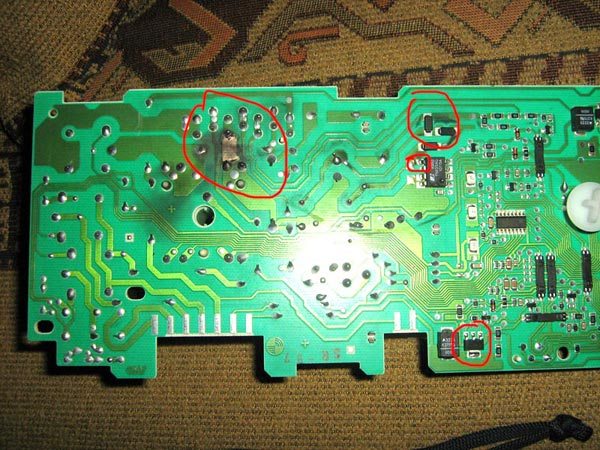
- purchase a similar varistor and solder it in place of the old one;
- assemble the machine and connect it to utilities.
If you proceed carefully and correctly, the washing machine will restart when plugged in. However, sometimes, in addition to the varistor, other components on the electronic unit burn out: the tracks and triacs. In this case, replacing just one component won't be successful—a full diagnostic of the board will be required. It is not recommended to repair the module yourself, it is too risky. It's best to entrust the inspection and repair of the "brain" to specialists. It's important to understand that the vast majority of authorized repair shops will insist on replacing the entire control board. This is more cost-effective for them than a local repair. It's better to call private repairmen who often undertake unit repairs.
The network button is to blame
Owners of Daewoo cars manufactured 15-20 years ago should also check the power button. On older models, the On/Off button often sticks and shorts out, causing the entire washing machine to lose power. As a result, the machine doesn't respond when connected to the power grid. To check the functionality of the power button, you must: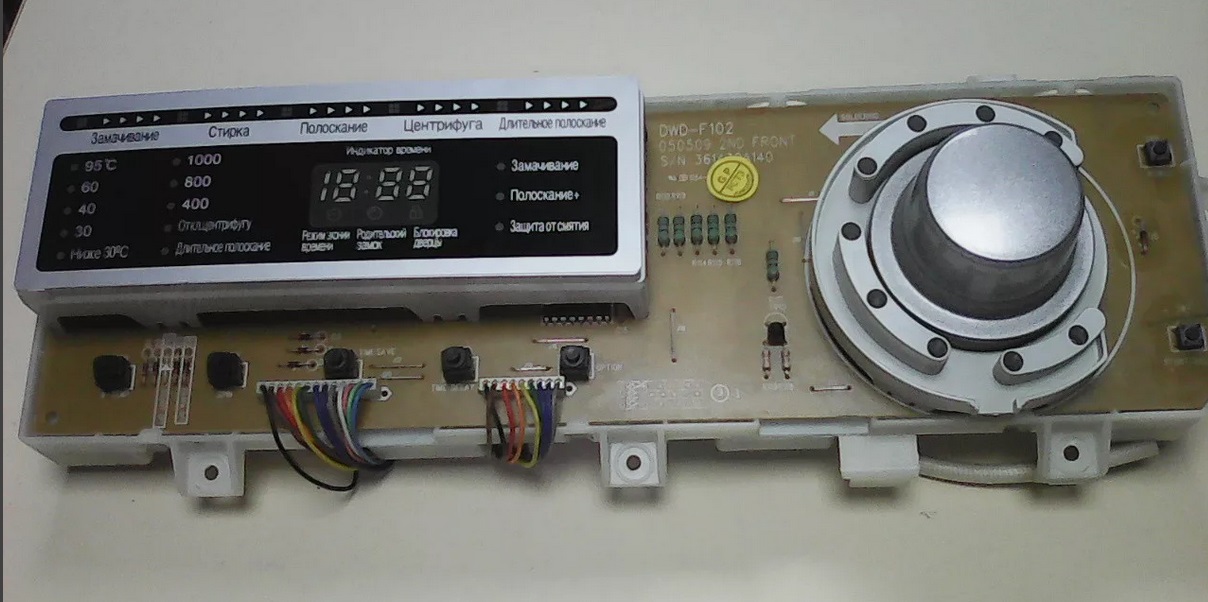
- remove the instrument panel and take out the control board from it;
- find the network button and its contacts on the board;
- Use a multimeter to measure the resistance of the key.
The resistance of the button is measured and the result is evaluated. If the value is outside the normal range, the button is burnt out and needs to be replaced. A similar part is selected as a replacement. You can figure out why the washing machine won't turn on yourself – often, the problem is quickly resolved by replacing the outlet or the interference filter. However, if you lack experience, the problem is too serious, or the cause cannot be determined, it's best to contact a service center.
Interesting:

Readers' comments
Headings
Washing machine repair




For buyers




For users


Dishwasher




Add a comment