
Miele washing machine won't turn on
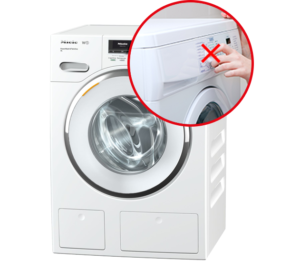 It's frustrating to find yourself in a situation where your Miele washing machine won't turn on. You've plugged it in, loaded the drum with laundry, poured in the detergent, pressed the start button, but nothing happens—the machine is silent. Even the LEDs on the control panel don't light, indicating that the machine can't wash. There are several possible causes for the washing machine to stall at the start. Let's look at the specifics and how to start the cycle.
What happened to the technology?
The absence of blinking lights on the washing machine clearly indicates that the Miele has been cut off from the power supply. There is no current, the electronics do not start, and the modules remain inactive. It is logical that in order to fix the problem, it is necessary to find out where exactly the wiring problem occurred.There are two options: either outside, beyond the circuit breaker, or inside. External causes of power outages are trivial and simple:
- the power supply to the premises or apartment is interrupted;
- there were problems with the electrical network (voltage surges);
- the socket supplying the machine is de-energized or damaged;
- the power cord or its plug is damaged.
While a missing central light usually doesn't go unnoticed, problems with a specific power outlet, socket, or plug are often overlooked and overlooked. Meanwhile, such localized "electrical problems" are quite common, preventing the washing machine from turning on.
The Miele washing machine does not turn on due to power supply problems: no voltage, network problems, burnt-out fuse box, buttons, varistor, or control board.
In addition to external malfunctions, internal problems may also arise. These include the following:
- the interference filter (IF) is burnt out;
- the power button is stuck or damaged;
- the varistor burned out;
- The control board is out of order.
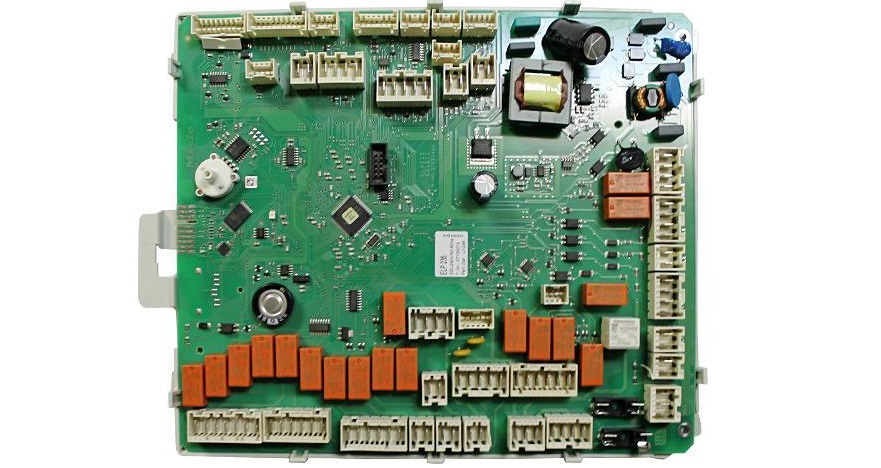
To diagnose your Miele washing machine, you need to check each power supply component sequentially. It's best to start with the external circuits, gradually moving on to the internal components. We'll outline what to do and in what order below.
Is the electrical network in order?
The first step is to rule out the most common and obvious causes of a power outage: a missing main light and faulty outlets. In the former case, simply flip the switch and check the light bulb; in the latter, try plugging in a properly functioning appliance, a charger, or a blender. If the test shows the power supply is fine, we continue with the diagnostics.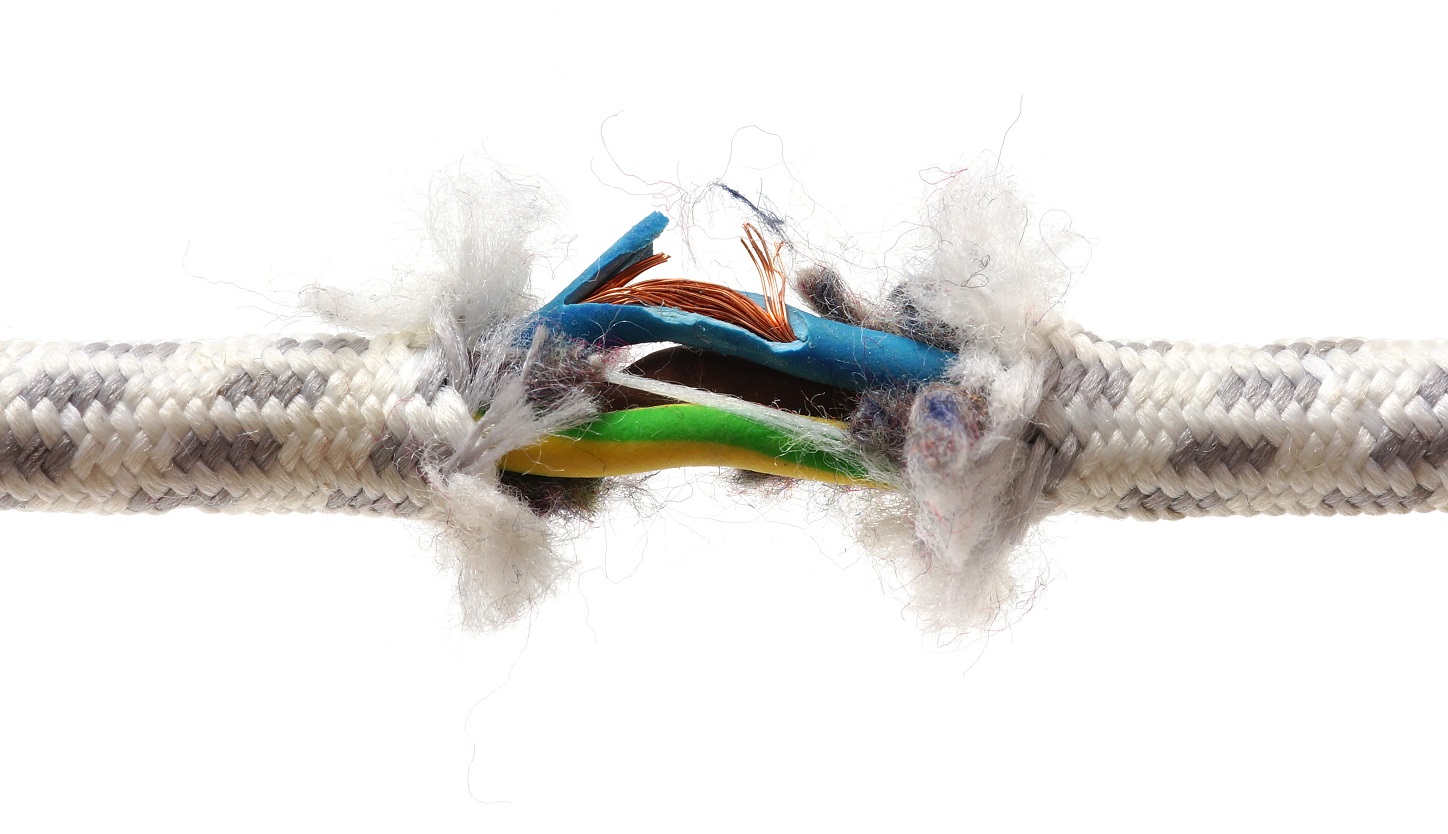
Be extremely careful around electrical outlets! First, visually inspect the outlet. A burning smell, melted insulation, and black spots indicate a fire. In this case, disconnect the outlet immediately. Otherwise, you could get an electric shock or start a fire.
When diagnosing an electrical network, be extremely careful – electric shock is dangerous to human health and life!
Repairing electrical outlets and wiring yourself is strongly discouraged. A qualified professional electrician is required. In any case, exercise caution and follow safety precautions.
Noise filter
Once we've verified the socket's functionality, we move on to the power cord and power supply. First, carefully inspect the cable for any external defects, pinches, or damage. Next, assess the condition of the plug; there shouldn't be any melted plastic or other signs of burn damage. If everything appears intact, we should also check the insides. Here's how:
- disconnect Miele from communications;
- we turn the machine gun backwards;
- Having unscrewed the corresponding screws, we remove the top cover;
- Looking under the cover, we find the FPS - the “box” with which the power cord is connected;
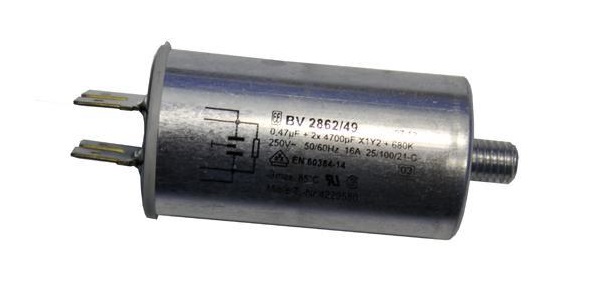
- unclip the fastener that secures the filter;
- We take out the FPS together with the cord and plug.
Each removed element is checked. First, we separate the filter and the cable by disconnecting the corresponding contacts. Next, we set the multimeter to buzzer mode and "ring" the cable along its entire length. When the wires are broken or ruptured, the tester will give a signal. If a fault is detected, electrical tape won't do the trick—you'll need to completely replace the network cable yourself.
Before use, the multimeter must be checked for functionality: simply bring the probes together and look at the display – it should show “0” or a number close to it.
If the wire is undamaged, set it aside and begin diagnosing the FPS. Leave the multimeter in buzzer mode, attach the probes to the contacts, and test the continuity. Then, turn on the ohmmeter and measure the resistance. A "0" or "1" reading indicates a faulty filter—the device will need to be replaced.
Home button
Another problem that can cause a power outage is a stuck or damaged start button. This typically affects older Miele models, manufactured approximately 15-20 years ago. When the start button shorts out, the entire system suffers: the electronics malfunction and stop responding to external power sources. Fixing the start button yourself is easy. Follow these steps:
- unscrew the bolts holding the instrument panel;
- remove the panel and inspect it;
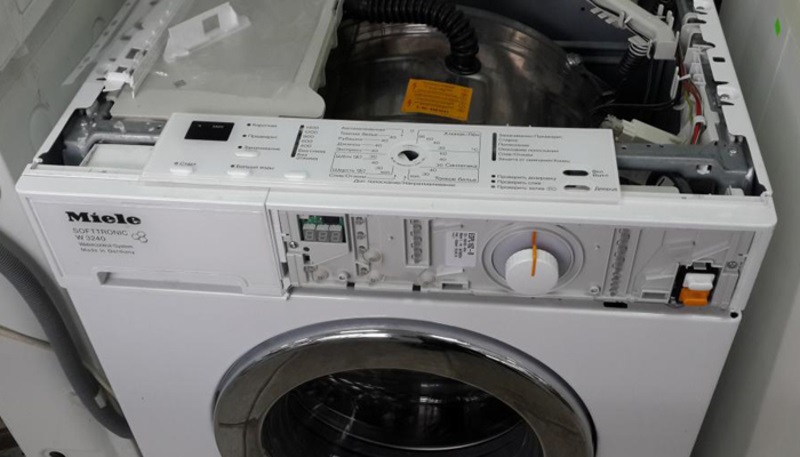
- we find the contacts related to the power key;
- we measure the resistance on the button;
- We remove the burnt button and install a new one in its place.
The resistance on the "Start" button is assessed with the washing machine turned on.
Worse, if the entire control board or one of its key microchips fails. To assess the module's functionality, it's necessary to test each microelement on the unit with specialized equipment. Home diagnostics are not recommended, as they can damage sensitive electronics, potentially resulting in death. It's best not to escalate the situation and contact a service center immediately. There are several possible causes for a Miele washing machine not receiving power. If the above instructions don't help you turn on the machine, you should contact a service center.
Interesting:

Readers' comments
Headings
Washing machine repair




For buyers




For users


Dishwasher




Add a comment