
The door of the Indesit washing machine does not close.
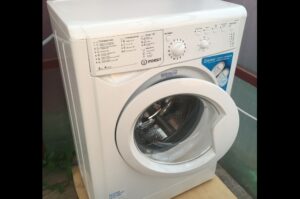 To start a wash, you must at least close the machine tightly. However, the door of an Indesit washing machine often fails to close—it doesn't click into place or doesn't lock. As a result, the drum remains leaky, preventing the machine from starting the wash cycle or threatening to leak. Don't settle for an open door—you can fix the lock and blockage without calling a service center. We'll explain what to do and how to fix it in these detailed instructions.
The mechanism is out of order
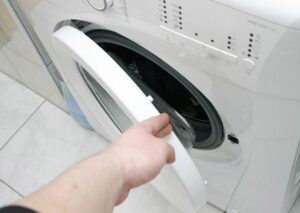
The hatch may fail to close in various ways. Sometimes it's because the electronic lock is missing, but more often, the door simply doesn't lock into place—the lock doesn't engage, and the drum opens back up. Often it seems as if something is preventing the machine from closing: the locking mechanism rests against the body, but does not catch, but is pushed back. There are several reasons for this behavior of the equipment.
- Door misalignment. Over time, door hinges can become loose, especially if the washing machine has been in use for a long time. Rough use, with sudden slamming and overhanging, can also negatively impact the door. As a result, the lock drops lower and doesn't engage the groove in the housing. The solution is simple: simply adjust the position of the door and tighten the side fasteners.
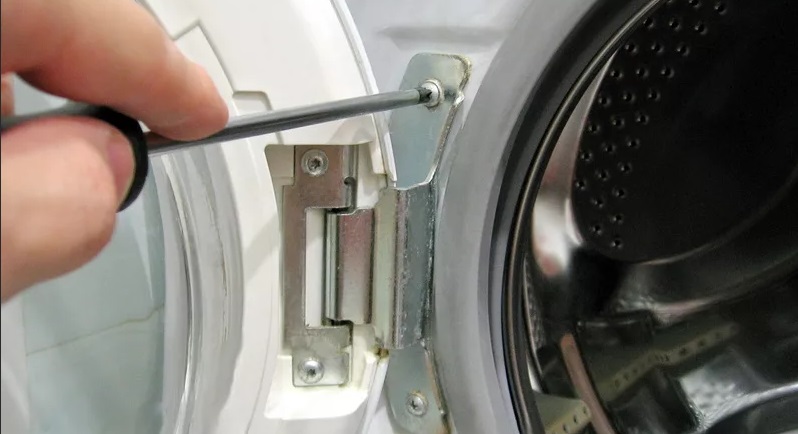
- A broken latch bolt. This is the metal rod in the lock that keeps the door closed. If it falls out or droops, the latch is broken. To repair the lock, you need to disassemble the hatch and return the bolt to its original position.
- Another problem with the lock. Besides the latch bolt, other important components, such as the hook, could be broken. These are usually impossible to replace or repair—the only solution is to install a new door.
Most often, the door lock breaks due to careless operation of the washing machine.
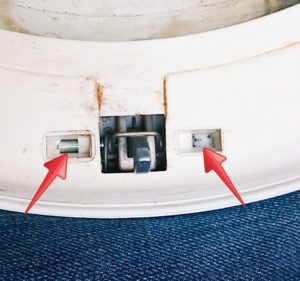
The guide—a plastic plate in the locking mechanism—often fails. When the drum slams shut, it fits into a special groove, clicks, and locks the system. However, over time, this part wears down or breaks, causing the door to fail to stay closed and constantly open. The characteristic click of the lock is also absent.
It is easy to check the condition of the guide:
- Use a star screwdriver to loosen the fastener that connects the door to the side hinge;
- remove the door from its hinges;
- unscrew the bolts located around the perimeter of the inner side of the door;
- pry the inside of the door with a flat-head screwdriver;
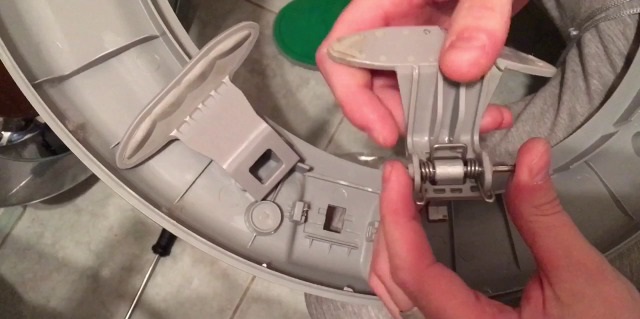
- "split" the door;
- inspect the locking mechanism;
- find the breakdown.
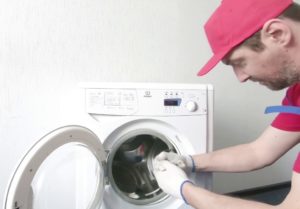
Repairing a door yourself isn't always possible. Often, finding a replacement guide or hook is difficult: they're not sold in stores. Typically, you can only replace a fallen spring, plate, or rod yourself. If a part is damaged, the only solution is to replace the lock, handle, or the entire door.
If you decide to repair a door, be extremely careful. These mechanisms contain many small parts, and an untrained person could only make the situation worse.
There is no hook lock
The washing machine also won't close if there's a problem with the electronic lock. The user will slam the door, it will lock and click, but the washing machine won't start. Furthermore, the machine will reset the program and display an error code indicating a problem with the locking system.
The door lock provides additional protection against accidental door opening during a wash cycle. When the cycle starts, it is energized, locking the door. If the device is faulty, the board cannot verify the drum is sealed and cancels the program.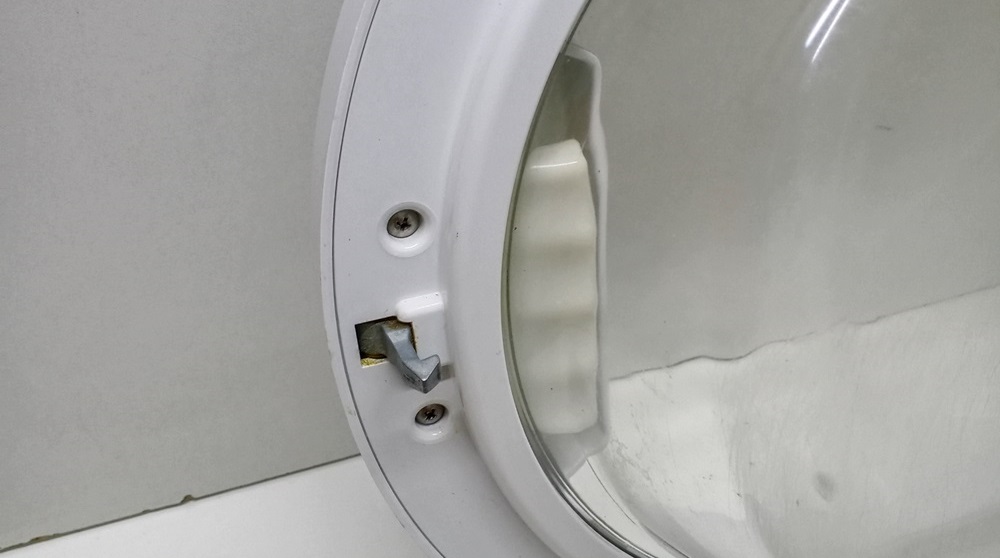
Sometimes the door locking device doesn't break down, but simply becomes clogged. Dust, fabric fibers, or other small debris can get inside, preventing the incoming current from being distributed properly. Fixing this is simple: just clean the device.
We strongly advise against testing or repairing the control board yourself, as there is a high risk of further damage!
The blocker also fails to activate if the control board is faulty—the command from the module simply doesn't reach the device. The electronic unit itself, its connecting elements, tracks, or triacs are damaged. In any case, you'll need to call a technician and request a comprehensive diagnostic of the component. It may require reflashing or complete replacement.
Repairing the washing machine's "brains" yourself is not recommended, as there's a high risk of worsening the situation, even leading to a fatal outcome. A new circuit board is quite expensive, especially for the latest models.
We make sure that the lock is broken
If you suspect a broken door lock, don't rush. Before disassembling the device or buying a new one, you should first verify its malfunction. This will require removing the lock and testing it with a multimeter.
Before any repairs, it is necessary to disconnect the washing machine from the utilities: electrical network and water supply!
The instructions on what to do are as follows:
- de-energize the washing machine;
- open the hatch;
- loosen the clamp tightened on the cuff using round-nose pliers or a screwdriver;
- pull the cuff off the drum;
- find the UBL, which is located behind the washing machine body opposite the door handle;
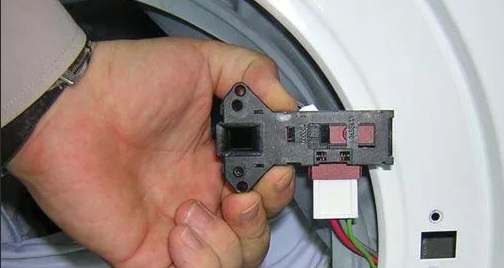
- unscrew the bolts holding the blocker;
- disconnect the wiring connected to the device;
- remove the UBL through the hole between the seal and the machine body.
The next step is to carefully study the manufacturer's instructions, specifically the section with the door lock's electrical diagram. Most door locks have a similar design, but some manufacturers slightly modify the location and purpose of the relay. It's important to know exactly where the phase, neutral, and common contacts are located. Otherwise, testing will be inconclusive.
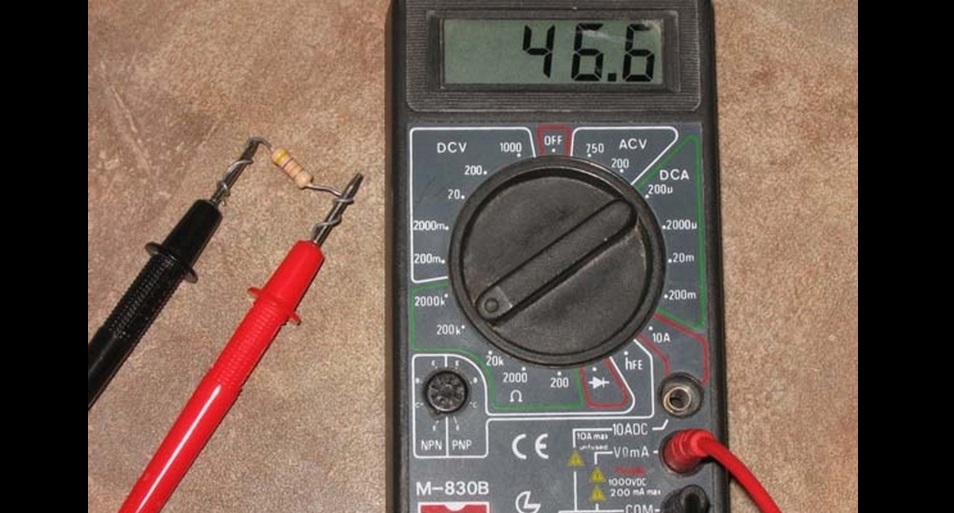
Having sorted out the contacts, we proceed to diagnosing the locking device:
- turn on the multimeter;
- select the mode for measuring resistance;
- we connect the probe clamps to “zero” and “phase”;
- look at the display - it should show a three-digit number (if otherwise, then the UBL is faulty);
- we change the position of the probes to the common contact and “zero”;
- We evaluate the result (the values “0” or “1” will indicate that the device is broken).
If diagnostics confirm a faulty door lock, it will need to be replaced. Repairing the device is not practical—purchasing a new one is cheaper and quicker. The main thing is to choose the right analogue, having clarified the serial number of the existing washing machine in advance and communicated it to the seller.You can also bring the old copy to the store and ask them to find a replacement based on the sample.
The new UBL is selected based on the serial number of the washing machine.
You can install a new lock yourself. Just follow the instructions described above in reverse order. Then, run the washing machine for a test cycle. Does the wash cycle start? Then you've done it correctly. If the lock doesn't work, the problem lies with the control board, and you'll need to call a service center.
Interesting:

Readers' comments
Headings
Washing machine repair




For buyers




For users


Dishwasher




Add a comment