
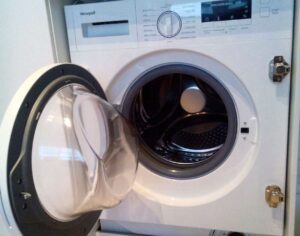
The door of the LG washing machine does not close.
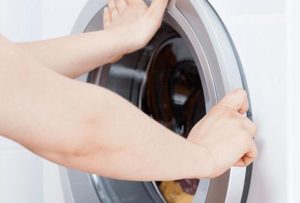 If your washing machine door won't close, you'll have to put the wash on hold. The machine's intelligent safety system won't allow the water to fill with the door half open, so you'll have to forget about the laundry and start looking for the cause of the blockage. In 50% of cases, items caught in the door are to blame. When there's no obvious cause, it's time to look deeper. What causes the lock to fail, and how can you fix it?
Causes of the problem
It is impossible to immediately and definitively answer why the door of the LG washing machine does not close with a lock. There may be several reasons why fixation is not achieved. For convenience, repairmen have combined them into two groups.
- Mechanical damage. In this case, the door doesn't close at all—there's no clicking sound from the lock.
- Electronic problems. If the door slams shut but only makes a single clicking sound, there's a problem with the door locking device (HLD).
If the door is not closed, the machine will not start washing.
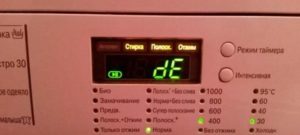 If the door lock is faulty, the machine's self-diagnosis system will also help—the error code "dE" will appear on the display. However, in both cases, the machine will not start, as both the mechanical operation of the lock and the electronic interlock are essential. Otherwise, the washing machine simply won't start.
Typically, the problem is either mechanical or electronic. Therefore, it's best to forget about washing for a while and focus on troubleshooting. Below are the main symptoms and solutions for each type of malfunction.
The mechanics are broken
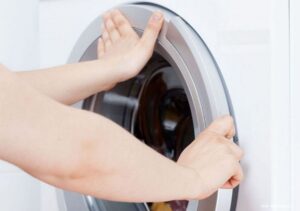
When a washing machine won't close at all, it's usually due to mechanical damage—a broken lock, a warped door, or a sagging door. This can be caused by normal wear and tear on the parts and careless handling, such as slamming the door or using it as a hanger for heavy items. Frequent causes include children "sliding" on the door.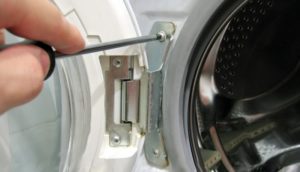
If the door doesn't close completely, it's warped. In other words, the hinges are sagging, and the latch tongue can't engage the groove. To correct this, adjust the level and tighten the door fasteners.
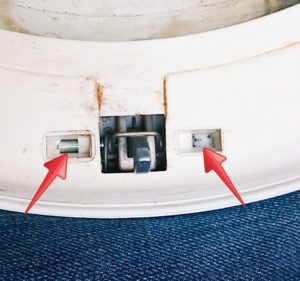
If the hinges are fine but there's still no clicking sound, the cause is a misaligned latch. The metal rod holding the small part in place has likely fallen out, causing the latch to fall below its groove. To get it into the lock, you'll have to disassemble the door and adjust the rod. Another solution is to completely replace the hatch handle, but it all depends on the specific situation.
The third scenario is when the LG washing machine door closes but without the required click. In this situation, all indications are that the guide—a thin plastic component—is deformed. This component is responsible for fully locking the door and makes a clicking sound indicating that it is locked. If the door doesn't lock completely, the plastic hook is worn or slightly sagged. This creates a slight misalignment that, at first glance, doesn't seem to prevent the door from closing. However, there's no contact with the keyhole, so the door doesn't lock. To restore the balance, the element will need to be replaced.
The UBL does not work
Often, the door closes during the first stage, but the second click indicating electronic locking is not heard. Simultaneously, the display shows the error code "dE," and the machine stops responding to the "Start" button. In this case, the fault lies with the faulty door lock system.
If the door doesn't lock in the closed position, the system won't start the wash cycle. This is a mandatory safety feature that prevents the washer from accidentally opening mid-cycle and, consequently, flooding the room. Therefore, the drum is completely sealed, and the electronic lock (UBL) is activated for double protection. The UBL can fail for a number of reasons, which should be discussed.
- Wear and tear. It's possible that the bimetallic plates in the electronic lock have worn down over time and stopped responding to electrical current. Repairs won't help here; only replacement of the locking system is necessary.
- Blockage. Small debris, threads, and dirt often get inside the locking mechanism, preventing it from functioning properly. The solution is simple: disassemble the locking mechanism, locate the blockage, and clean it out.
- A faulty module. Worse, if the door lock system stops reading commands from the control board. More specifically, commands from the control module aren't reaching the lock due to burnt-out tracks, triacs, or a software glitch. To confirm or refute this, you need to check the unit, reprogram it, adjust it, or replace it with a new one.
While you can check the first two reasons yourself, it's best to contact a professional to diagnose the control board. The electronic unit is a very fragile and complex system that requires a special approach and specialized equipment.Don't forget about the cost of the part, as the slightest error will cause the module to burn out, requiring a hefty sum to purchase a new one.
Checking and replacing UBL
There's no need to immediately replace the door lock. First, you should confirm that it's faulty. To remove the lock and inspect it, follow these simple steps.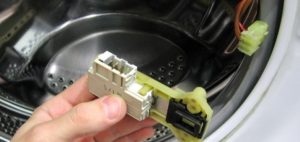
- We disconnect the machine from the power supply and other communications.
- Open the door. The hatch won't open easily, as the lock is already locked. To remove the latch, you'll have to tilt the machine on one side, remove the bottom panel, and, reaching in, try to push the latch back manually. You can also try accessing the latch from above: unscrew the cover and tilt the machine backward.
- We tighten the hatch cuff: bend the edge, grab the clamp and remove it.
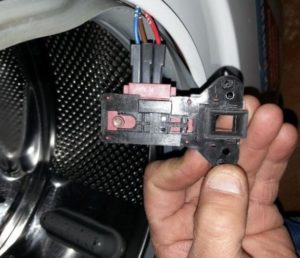
- We unscrew the screws holding the lock and remove the locking mechanism.
- We release the connected wiring.
Before disconnecting the wires from the connectors, it is recommended to record the location of the wires on the camera.
Once you have the device in hand, you can begin diagnostics. First, find the washing machine's manufacturer's manual and look for the section on the lock's electronic circuit. Next, set the multimeter to measure resistance, connect the probes to the neutral and live terminals, and evaluate the results. If a three-digit number appears on the screen, then the UBL is working properly. Otherwise, replacement is necessary. Next, change the meter's position to "zero" and the common contact. If it's "0" or "1," there's nothing to worry about.
If the door lock is faulty, don't try to disassemble and repair it. Non-functioning locks can't be repaired, but they're also relatively inexpensive. Just provide the seller with the serial number of the washing machine or the lock. Installation is also straightforward – connect the wires using the photo as a guide, secure them securely, replace the sleeve and clamp, and run a test wash. Door locks in LG washing machines often break, and now you know how to check and replace a broken door lock. The main thing is to take your time and remember safety precautions.
Interesting:

Readers' comments
Headings
Washing machine repair




For buyers




For users


Dishwasher




Add a comment